
Basset Fauve De Bretagne Dog Breed Information: Characteristics, Behavior, Temperament, Lifespan
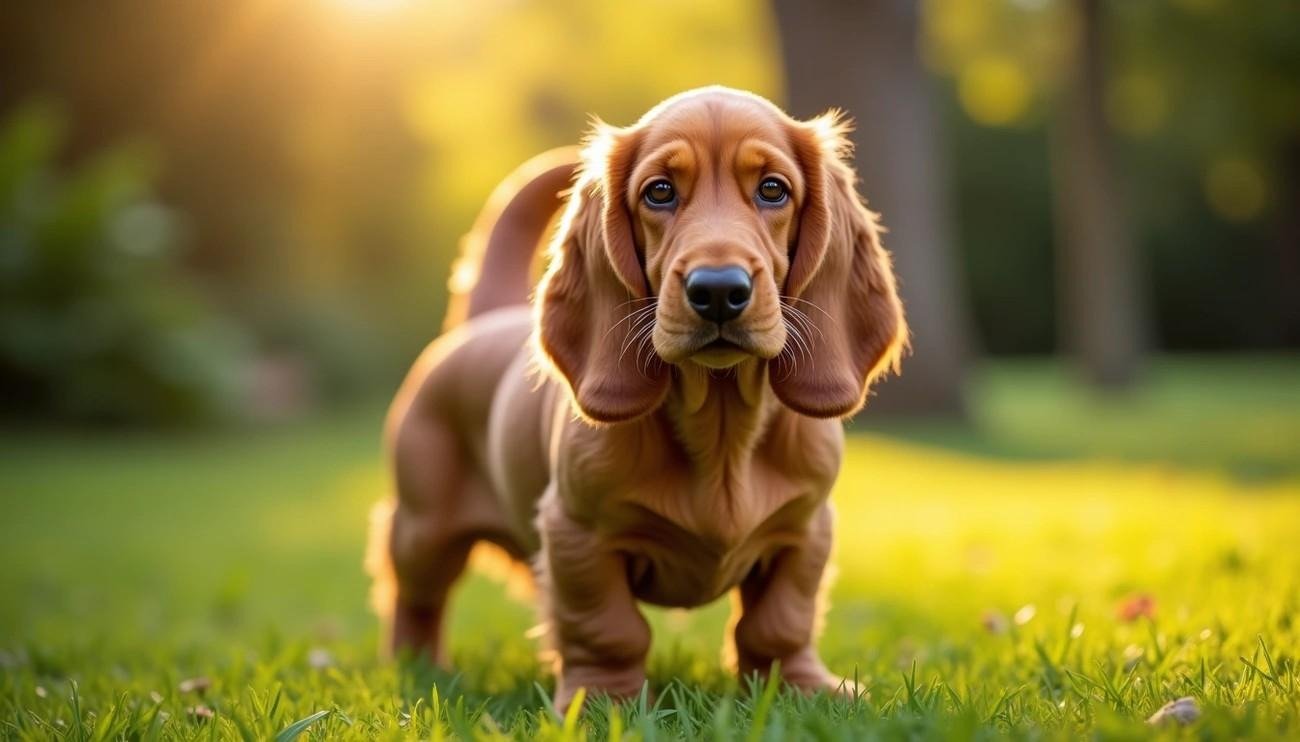 The Basset Fauve de Bretagne is a delightful medium-sized hunting dog that blends determination with a loving nature. This French breed measures 12.5 to 15.5 inches tall and weighs 23 to 39 pounds. Their compact frame holds an impressive amount of personality. These dogs show incredible courage and serious hunting skills despite their smaller size.
These wonderful companions live 13 to 16 years[-3] and bring joy to their families’ lives. Their personality truly shines through their smart, friendly, and playful demeanor. You’ll find them brave and full of energy. On top of that, they adapt well to different environments and terrains. Families who think about getting this breed will love their low-maintenance needs. Weekly grooming sessions are enough to keep them looking great. The Basset Fauve’s sociable and loving nature makes them perfect family dogs.
Breed Overview and Origin
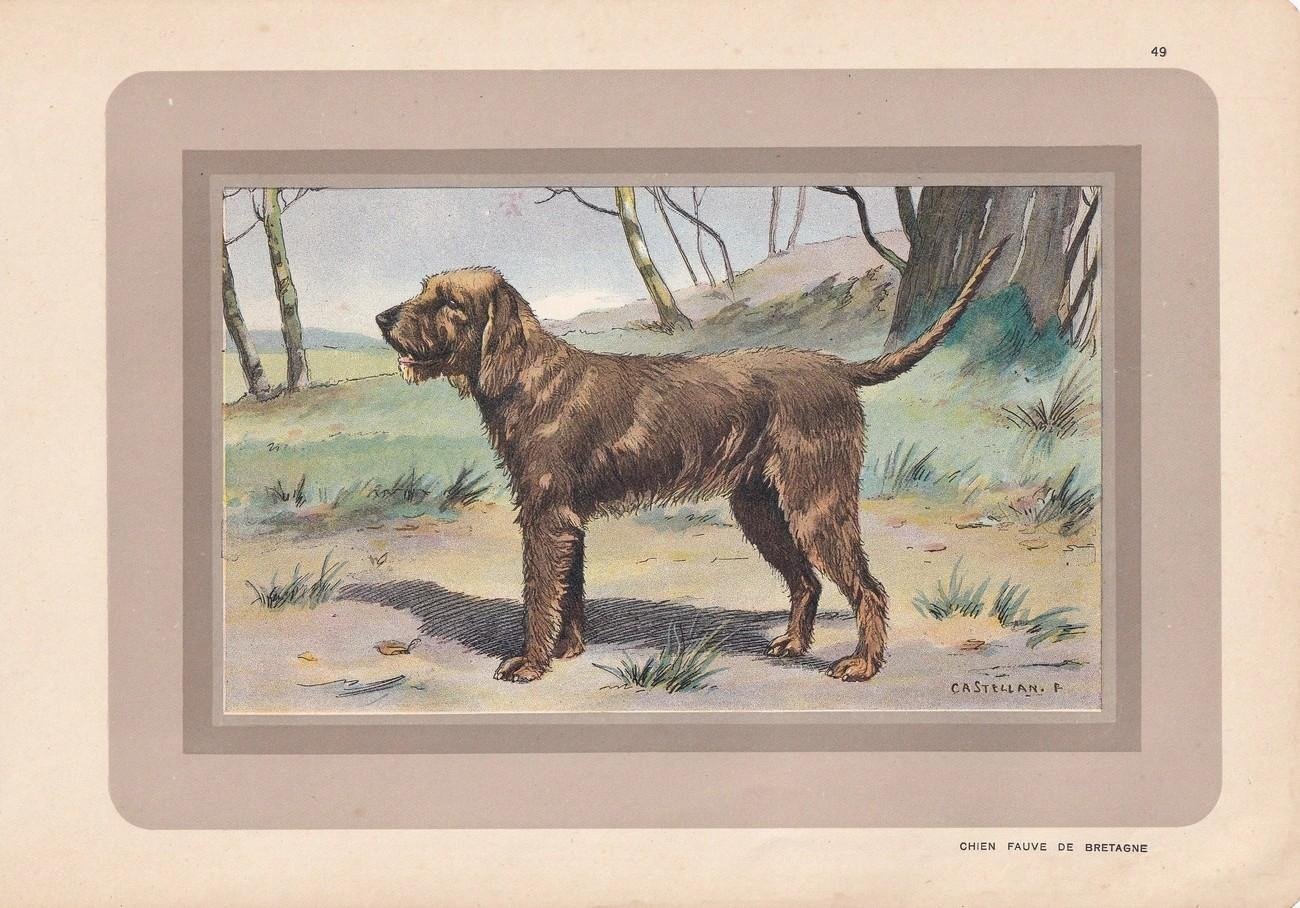
Image Source: Etsy
The Basset Fauve de Bretagne’s story weaves deep into French hunting traditions. This 500-year-old breed showcases a remarkable heritage that connects aristocratic pastimes with practical hunting needs throughout European history.
History of the Basset Fauve de Bretagne
The Basset Fauve de Bretagne’s roots go back to 16th century France, right in the heart of Brittany. Records tell us that back in the 1500s, French King Francois I loved hunting with his pack of Breton hounds. Admiral d’Anneboulde brought these hunting companions to the French court around 1520, which laid the groundwork for what would become one of France’s most distinctive scent hounds.
Jacques du Fouilloux first wrote about ‘Basset’ dogs in his illustrated hunting book “La Venerie” in 1585. Until the French Revolution in 1789, only kings, wealthy aristocrats, and country squires could hunt on horseback. This made short-legged dogs valuable to people who hunted on foot.
The breed caught everyone’s attention at Paris’s first dog exhibition in 1863. People fell in love with these dogs, and by 2002, France alone registered 1,060 new Basset Fauves.
From Grand Fauve to Modern Companion
The Basset Fauve we know today comes from the now-extinct Grand Fauve de Bretagne, a much bigger hound that stood about 27.5-29.5 inches tall. These Grand Fauves were famous for their exceptional hunting skills, especially their energy and drive at the start of a hunt.
The French Revolution changed everything. Once aristocratic privileges disappeared, everyone could hunt with hounds. Most common folk didn’t own horses, so they needed shorter-legged dogs that stayed closer during hunts. This need shaped the Basset variety we see today.
Breed historians still debate how these dogs got smaller. Some say breeders picked the smallest puppies from regular litters, while others believe they deliberately bred the smallest and slowest dogs for generations. By the 1800s, you could find whole packs of Basset Fauves hunting together.
These smaller Bassets proved themselves as versatile hunters throughout the 19th century. They could track rabbits, foxes, deer, and wild boar. Hunters loved them because they had:
- Keen sense of smell
- Determination and agility in pursuit
- Adaptability to various terrains
- Skills to handle northwestern France’s thorny thickets
Stories say the breed almost disappeared after World War II and needed recreation using wirehaired Dachshunds. The French club says that’s not true – these dogs were never close to extinction.
The breed keeps growing in popularity worldwide. The Kennel Club in the UK took them off their rare breed register in 2007, showing just how far these distinctive hunting dogs have come.
What ‘Basset’ Really Means
The name “Basset” tells us a lot about these dogs. It comes from Latin “bassus” (meaning low) plus the French “-et” ending. The French words “bas” (low) and “set” (set) describe the dog’s distinctive low-to-the-ground stance.
This name fits perfectly with what these dogs were bred to do. Their shorter legs and lower profile worked great for hunters walking through Brittany’s thick brush, unlike their taller ancestors who hunted with mounted aristocrats.
The name captures everything special about this charming French hunting dog – from its unique look to its centuries-old purpose.
Physical Characteristics and Appearance
The Basset Fauve de Bretagne stands out among scent hounds with its rustic looks and strong frame. This breed’s appearance shows a perfect blend of form and function, reflecting its roots as a skilled hunter of small game in Brittany’s rough terrain.
Height, weight, and build
The Basset Fauve de Bretagne packs a lot into its small to medium frame. These dogs stand between 12.5 to 15.5 inches tall at the shoulder and typically weigh 23 to 39 pounds. Some experts put their weight a bit higher at 36 to 40 pounds, but everyone agrees on their stocky, compact build.
These dogs are built differently from other bassets. They share basic features with Basset Hounds but have longer legs and a lighter build. This makes them quick and nimble for their size.
The body has several key features:
- A broad chest with slightly rounded ribs
- The shortest back of all basset breeds
- Powerful hindquarters you’d expect in working hounds
- Straight front legs, though a slight curve is fine
- A flat back line when standing
These dogs look more natural than their British cousins. Their lower-set frame doesn’t have the same extreme features you see in British Bassets.
Coat type and color variations
The Basset Fauve de Bretagne’s coat really sets it apart. Their rough, dense wire coat feels coarse to touch. This practical feature helps them shake off dirt and prevents matting – perfect for a dog that hunts through thick brush.
These dogs come in several warm shades:
- Red-wheaten
- Fawn
- Wheaten
Some have white patches on their chest, but this isn’t a major color pattern. The coat always stays in warm fawn to red tones, which explains the “fauve” (meaning “fawn”) in their name.
The breed’s ears have a unique look. The hair there is finer and shorter than the rest of their coat, usually darker too, creating a nice contrast.
Distinctive features of the breed
The Basset Fauve de Bretagne has several unique traits beyond its size and coat.
Their head shows a medium-length, gently curved foreface. The ears sit at eye level and have a special pleat from base to tip. Unlike other bassets with ground-dragging ears, these dogs’ ears just reach their nose. The ears should fold rather than hang flat.
Dark brown eyes give these dogs their bright, alert expression, matched by an equally dark nose.
The tail adds character too. It curves slightly when they move, with the same bristly texture as their coat and tapers to a point.
Put it all together and you get what the FCI breed standard describes as “a small, stocky hound, lively, rapid for its size… with enormous energy coupled with excellent hardiness”.
Temperament and Personality Traits
The Basset Fauve de Bretagne’s soulful eyes and wiry coat hide a personality that sets them apart from other breeds. People call them the “clown” of the canine world. These dogs blend unique traits that make them loving companions and skilled hunters.
Affectionate and social nature
The Basset Fauve de Bretagne shows exceptional devotion and affection to family members. These cheerful dogs love human interaction and build strong bonds with their owners. They’re social creatures that want all the attention they can get.
Their friendly nature goes beyond simple affection—they want to participate in everything the family does. They become sad if left alone too long. These adaptable dogs will curl up next to the family on the sofa after an active day outdoors. Here’s what makes them special:
- Cheerful and lively: They fill their homes with endless joy and energy
- Highly sociable: They need companionship and human interaction
- Balanced temperament: They enjoy both indoor cuddles and outdoor adventures
Their loving nature matches their adaptability perfectly. These versatile dogs thrive in city apartments and country homes alike.
Stubborn but intelligent
The Basset Fauve de Bretagne’s remarkable intelligence comes with an independent streak. Their hunting background has taught them to think for themselves in the field, which some people notice as stubbornness.
Training these dogs presents some challenges. They need confident owners who set clear boundaries and show leadership. Their stubborn streak comes from strong hunting instincts rather than defiance—they stop listening once they catch an interesting scent.
Training requires patience and consistency. These smart dogs learn commands quickly, but their hunting instincts sometimes overpower their desire to please. Treats and rewards work best to encourage good behavior.
These dogs love pleasing their people. Their sweet nature makes up for any training difficulties.
How they behave with children and other pets
The Basset Fauve de Bretagne makes an ideal family dog, especially with children. Their gentle nature and playful spirit create perfect companions for kids. Their size prevents accidents with toddlers, and they match children’s energy levels perfectly.
These dogs usually get along well with other canine friends. Their social nature suits multi-pet households—with one important exception. Their hunting background makes them unsuitable companions for rabbits, ferrets, or rodents.
Strong prey drive reflects their hunting heritage. Early socialization helps them live peacefully with smaller pets.
Owners should watch their Basset Fauve’s natural hunting instincts, especially in open spaces where small animals might tempt them to chase.
Behavioral Patterns and Energy Levels
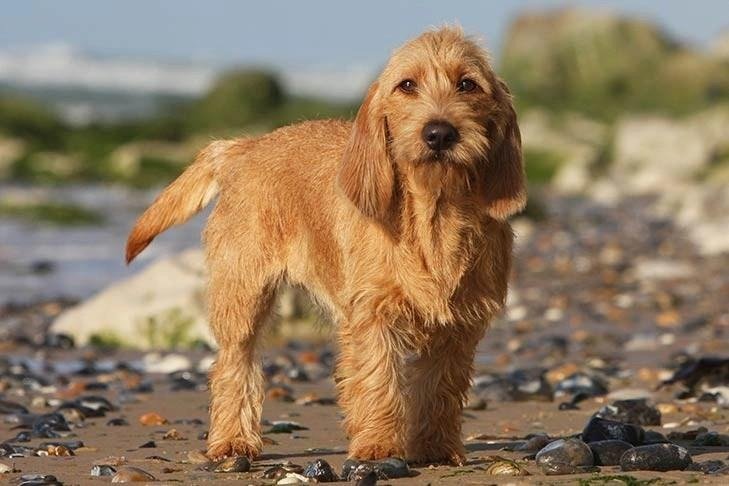
Image Source: American Kennel Club
The Basset Fauve de Bretagne might look small with those short legs, but this dog packs surprising energy into its compact frame. These dogs blend high stamina with a calm indoor presence, which creates an interesting mix of traits that new owners should know about.
Playfulness and activity needs
A Basset Fauve de Bretagne needs plenty of daily exercise—usually 1-2 hours—to stay healthy in body and mind. These dogs love active walks, exploring outdoors, and play sessions that challenge both their body and brain. They might start acting up or develop bad habits if they don’t get enough exercise.
Their energy shows through:
- Long walks (keeping them on leash works best since they love following scents)
- Playtime in yards with secure fencing
- Games that make them think
Of course, while these dogs have amazing stamina during activities, they’re happy to relax indoors after a good workout. This makes them great pets for different living situations, as long as you meet their exercise needs. Bad weather? No problem – indoor games like hide-and-seek or chasing balls can help burn off energy.
These smart dogs need mental workouts as much as physical ones. Training sessions, puzzle toys, and scent games keep their minds busy and stop them from getting bored. The simple truth? A tired Basset Fauve tends to behave better.
Prey drive and scent-following behavior
These dedicated scent hounds have an amazing nose that drives much of their behavior. Once they catch an interesting smell, their hunting instincts kick in and might override any training or commands. In fact, their nose often takes control without warning, and their brain takes a backseat to their sense of smell.
This powerful nose leads to several practical needs:
Your yard must have secure fencing. These dogs should only be off-leash in fully enclosed areas because even well-trained ones might dash off after a rabbit or interesting scent. Don’t count on them coming back when called if they’re tracking something exciting.
We mainly saw their strong prey drive target small animals—so they might not be the best choice if you have rabbits, rodents, or similar small pets. The good news? They usually get along fine with cats if they grow up together from puppy age.
Barking tendencies and vocalization
A Basset Fauve de Bretagne isn’t known for excessive barking under normal conditions. They bark when it matters—like spotting unusual activity or potential prey. They’ll let loose their distinctive hound “voice” and chase with enthusiasm when they spot something exciting, like a rabbit in the yard.
They bark for different reasons:
- Warning about visitors or unusual situations
- Excitement during play
- Classic “hound voice” while tracking scents
These dogs aren’t natural nuisance barkers, but some might bark too much if they’re bored, need more stimulation, or feel anxious when left alone. Early training about appropriate barking helps set boundaries and prevents excessive noise.
These behavioral patterns help future owners prepare for life with this energetic, scent-driven companion. Their need for activity, strong prey drive, and vocal habits create a unique pet that thrives with consistent training, secure boundaries, and plenty of chances to use their natural instincts.
Lifespan and Health Considerations
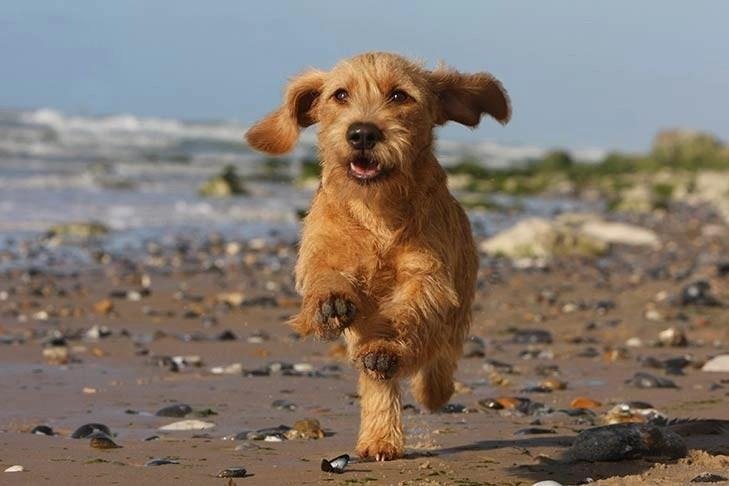
Image Source: DogTime
Basset Fauve de Bretagne dogs can live long and healthy lives when owners pay attention to their specific health needs. A good understanding of their health profile helps provide the best care throughout their lives.
Average lifespan of the breed
These dogs have a respectable lifespan that matches other breeds of similar size. Most sources agree that they live between 11 and 14 years. This puts them in the average to above-average range for canine longevity. Many Fauves show exceptional longevity and can live beyond 16 years of age.
Their long lifespan shows the breed’s hardiness and reliable constitution. The Fauve’s balanced proportions lead to fewer structural health issues compared to other basset varieties with more exaggerated features.
Common health issues
The Basset Fauve de Bretagne remains a healthy breed with few hereditary problems. However, like all breeds, they have specific health concerns you should know about.
The most important health considerations include:
- Primary Open Angle Glaucoma (POAG) – A genetic condition where pressure builds in the eye and can cause discomfort and vision loss. DNA tests can now identify carriers of this condition.
- Ear infections – Their floppy ears create conditions where infections develop easily[214]. The thick hair in their ear canals increases this risk.
- Intervertebral disk disease – Their body structure may lead to back problems.
- Retinal diseases – These include progressive retinal atrophy that can cause vision deterioration.
These dogs might also experience epilepsy, cardiomyopathies, skin allergies, and age-related thyroid issues. Some dogs have shown angular limb deformities.
The average claim cost for ear infections reached INR 28,707.92 in 2024, while cataract surgery averaged INR 399,988.65. These numbers show why owners need financial preparation for potential health expenses.
Preventive care and vet checkups
Your Basset Fauve de Bretagne needs regular veterinary care to stay healthy. Six-monthly health checks help ensure good health throughout all life stages. Your vet can create a preventative healthcare program that fits your dog’s needs.
Starting veterinary care early helps puppies grow and develop properly. Regular monitoring becomes vital as dogs age to catch potential problems early.
Responsible breeders conduct appropriate health screening. They test their breeding stock for POAG, progressive retinal atrophy, and other health concerns. The breed club wants all breeding Fauves to undergo DNA testing for POAG.
Good preventive care includes weight management, regular exercise based on energy levels, and consistent ear cleaning to prevent infections. Most Basset Fauve de Bretagne dogs can reach their full lifespan potential with proper attention to these health needs.
Grooming and Maintenance Needs
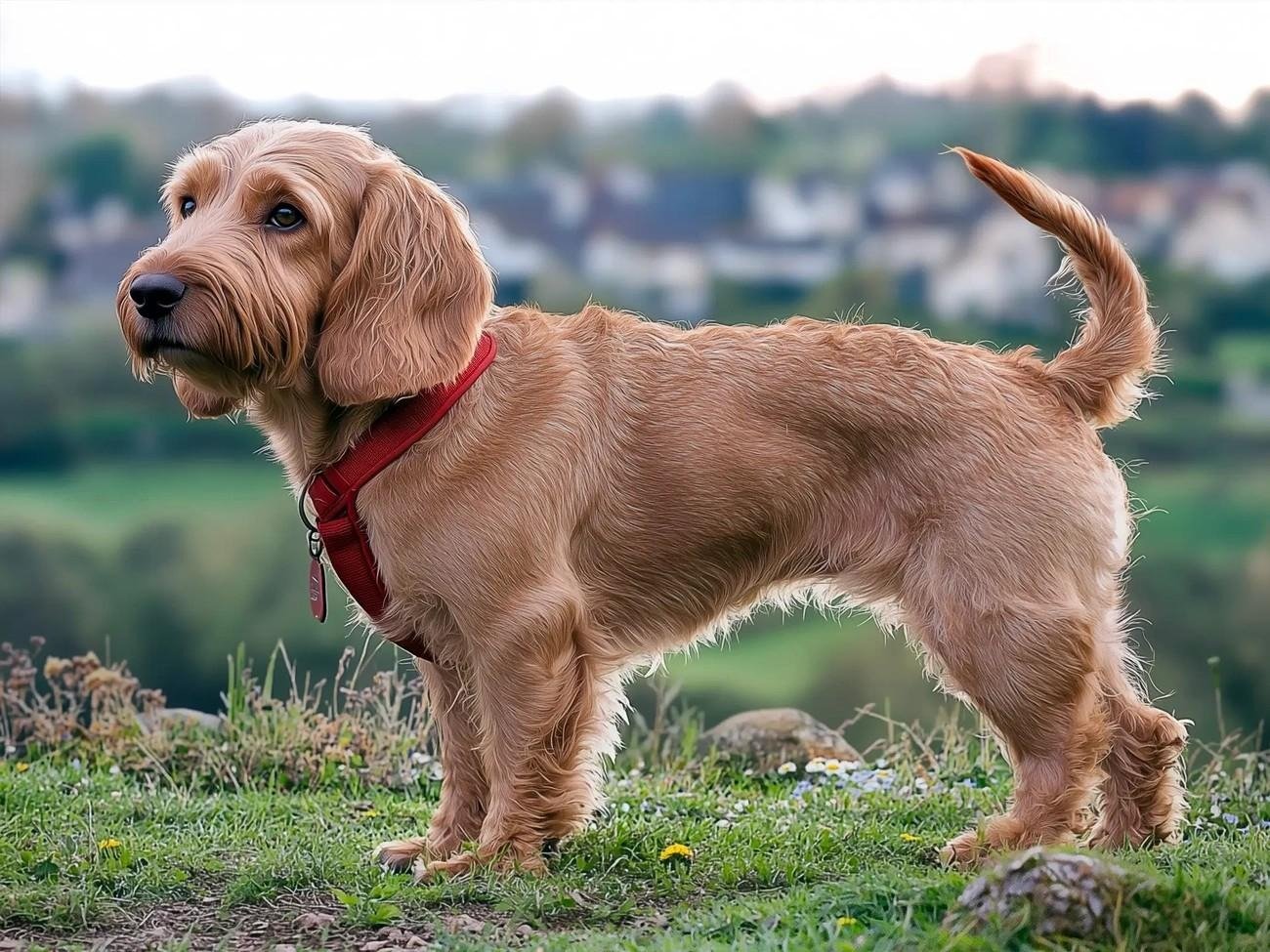
Image Source: DogPack App
A Basset Fauve de Bretagne’s distinctive looks are nowhere near as hard to maintain as you might think. Most owners call their coat “wash-and-wear” because it’s practical and easy to keep up.
Coat care and brushing routine
The Basset Fauve de Bretagne’s coarse, wiry coat works great at keeping dirt away and doesn’t mat easily. Their unique coat texture needs simple but specific care to stay in great shape. Expert breeders say a weekly routine with a fine-toothed comb and a stiff brush works best.
Some Fauves with longer coats need hand-stripping. This helps get rid of dead hair and keeps the coat’s harsh texture. Many unreliable sources suggest daily brushing, but trusted experts agree that weekly sessions work just fine.
Regular brushing helps in several ways:
- Gets rid of dead hair and stops matting
- Spreads natural oils through the coat
- Cuts down on house shedding substantially
- Lets you spot skin problems or parasites early
Bathing, nail trimming, and ear cleaning
These dogs are great because they rarely need baths. You should wash them every two to three months unless they get really dirty. A dog shampoo made for short-haired breeds works best to keep natural oils and protect their skin.
Nails need more attention – monthly trims usually do the trick. You’ll know it’s time to trim when you hear their nails click on hard floors.
Ear care is crucial for Basset Fauves. Their floppy ears make them prone to infections. Check their ears weekly for infection signs or wax buildup. Use a vet-approved cleaner and clean just the outer ear gently – don’t go deep into the canal.
Seasonal shedding and grooming tools
Basset Fauves shed less than most other breeds. We noticed most shedding happens during seasonal changes, usually in spring and fall.
Brush more often during these seasonal changes to handle shedding better. Some experts suggest plucking the coat twice a year to remove debris and knots. Others say trimming every four months is enough.
You’ll need these basic grooming tools:
- Fine-toothed comb to start brushing
- Stiff bristle brush to finish up
- Dog shampoo for occasional baths
- Dog nail clippers
- Vet-recommended ear cleaner
These simple grooming habits will keep your Basset Fauve healthy and looking great with that charming rustic appearance everyone loves.
Training and Socialization Tips
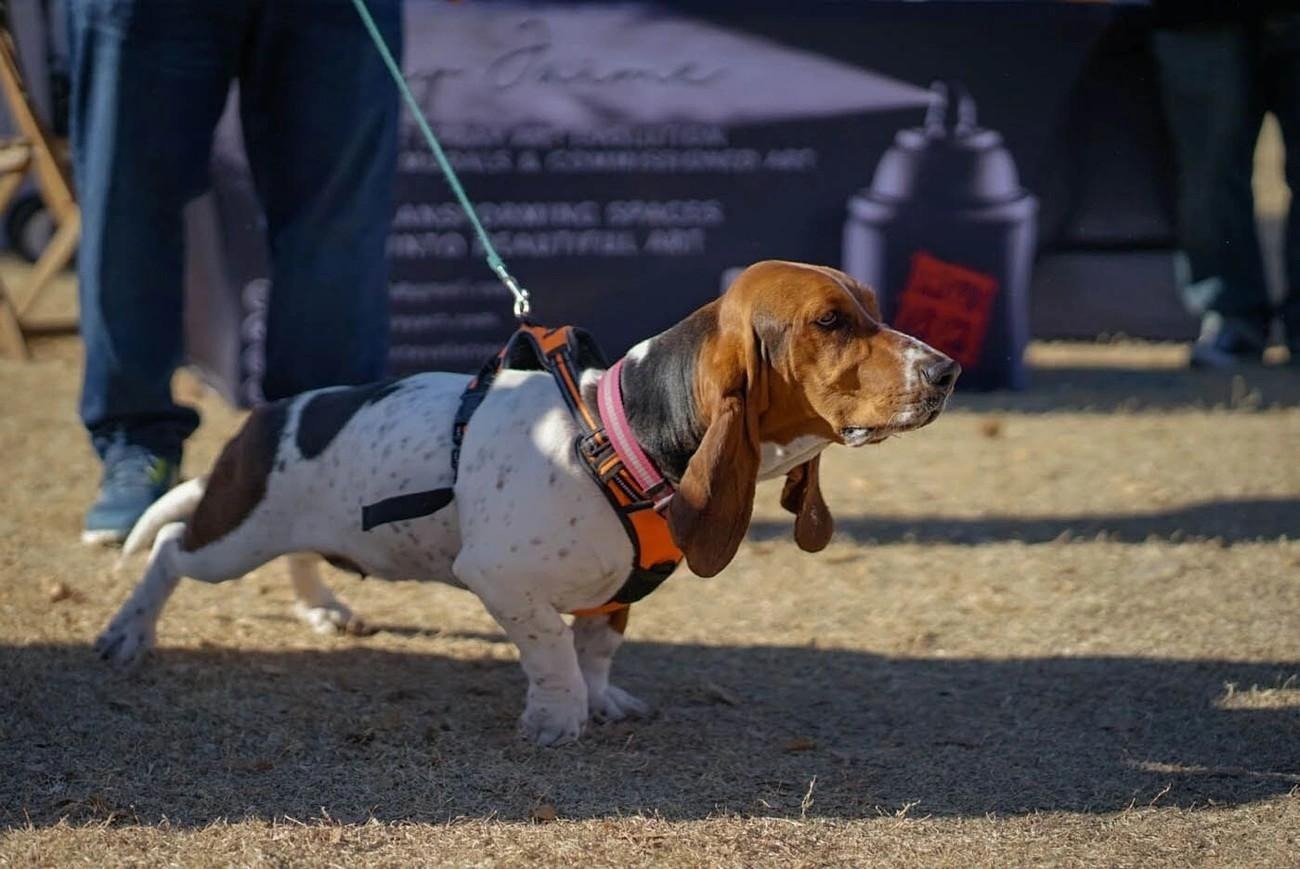
Image Source: Dog Training Elite
Training a Basset Fauve de Bretagne successfully demands an understanding of their hunting background and independent spirit. These clever but headstrong dogs need special training approaches to become well-behaved companions.
Why early training is essential
Your Basset Fauve de Bretagne puppy’s training should start at 6-8 weeks old to build a significant foundation. Early socialization prevents aggressive tendencies and helps them grow into confident adults. Puppies pick up new habits and learn much faster when you begin their training early.
This breed’s independent nature can challenge even seasoned owners without basic obedience training. House training proves especially difficult compared to other commands.
Dealing with stubbornness
Natural hunting instincts in Basset Fauve de Bretagne often override their desire to please. Their nose drops to the ground and they ignore commands. These dogs respond best to gentle, consistent training methods and poorly to harsh approaches.
To achieve the best results:
- Give food rewards consistently
- Keep training short (10-15 minutes)
- Stay patient with their independent nature
- Set firm boundaries without being harsh
Mental stimulation and obedience classes
Mental stimulation matters just as much as physical exercise for this smart breed. Dogs often destroy things when bored. Puzzle toys, interactive games, and scent work challenge their minds while tapping into their natural skills.
Structured obedience classes offer great socialization opportunities among other training benefits. Tracking exercises and activities that use their hunting instincts work especially well.
Caring for Basset Fauve de Bretagne Puppies
Bringing home a Basset Fauve de Bretagne puppy needs different preparations than caring for an adult dog. These intelligent, energetic puppies need well-laid-out care from day one. Your efforts will help them grow into well-adjusted adult dogs.
Puppy-proofing your home
The original step is to secure your living space for a Basset Fauve puppy who explores everything with their nose. These puppies have strong hunting instincts and are drawn to interesting scents. They can get into mischief if left uncontained. You should secure cabinets with chemicals, keep electrical cords out of reach, and block small spaces where your curious puppy might get stuck. A safe environment prevents accidents and stops bad habits from developing.
Feeding and nutrition for puppies
Basset Fauve de Bretagne puppies should eat 3-4 times daily until six months of age. Twice-daily feeding becomes appropriate after they reach six months. Always use premium food made for medium-sized breeds. Your puppy needs balanced nutrition with healthy fats, protein, and carbohydrates to support rapid growth. Each meal should last about 10 minutes, which helps puppies control their food intake. Your veterinarian can guide you about proper portions to keep your puppy’s body lean during growth.
Socializing young dogs
Mental stimulation is as important as physical exercise for Basset Fauve puppies. Start training sessions when they’re 6-8 weeks old to control their strong will. Games, training exercises, and appropriate toys challenge these intelligent puppies’ minds. You should introduce them to new environments, people, and situations to build their confidence. Well-structured obedience classes provide a training foundation and are a great way to get socialization opportunities.
Conclusion
The Basset Fauve de Bretagne stands out as an amazing companion dog. This French hunting breed combines a loving nature with strong determination. They excel both as working dogs and family pets. Dog enthusiasts can’t resist their compact size, wiry coat, and friendly personality.
These dogs need proper exercise and mental stimulation to thrive. A tired Fauve switches from an energetic explorer outdoors to a relaxed companion inside. They adapt well to different living environments but need 1-2 hours of daily activity to stay happy.
Anyone thinking about getting this breed should know:
• Temperament: Friendly, smart, and deeply devoted to their family • Exercise needs: Active dogs needing daily physical and mental challenges • Grooming: Weekly brushing plus hand-stripping keeps their coat healthy • Health: Strong dogs living 13-16 years, though their ears need regular checks • Training: They learn well with positive methods despite some stubborn streaks
New dog owners might struggle with this breed’s independent nature and hunting instincts. Their keen nose often takes them on adventures that override their training. A secure fence becomes crucial for any yard they use.
Fauve puppies grow into well-mannered adults with early socialization and clear boundaries. Food rewards and positive reinforcement help these smart dogs learn quickly.
These devoted companions keep their zest for life throughout their 13-16 year lifespan. They bring joy to their family’s daily experiences. Homes ready for their unique mix of lively energy and loving companionship will find them delightful. These charming French hounds blend rustic looks, hunting skills, and a loving nature that captures hearts worldwide.
Key Takeaways
The Basset Fauve de Bretagne is a charming French hunting dog that combines compact size with big personality, making it an excellent family companion for active households.
• Compact but energetic: Standing 12.5-15.5 inches tall and weighing 23-39 pounds, these dogs require 1-2 hours of daily exercise despite their small stature.
• Low-maintenance grooming: Their distinctive wiry coat repels dirt naturally and needs only weekly brushing, making them nearly “wash-and-wear” dogs.
• Strong hunting instincts: Their powerful scent drive means secure fencing is essential, and recall training can be challenging when they’re tracking interesting smells.
• Excellent family dogs: Affectionate and gentle with children, they live 13-16 years and adapt well to various living situations with proper exercise.
• Training requires patience: While intelligent, their independent hunting heritage makes them occasionally stubborn, responding best to consistent positive reinforcement methods.
These French hounds offer the perfect balance of rustic charm and loving companionship, thriving in homes that can provide adequate exercise, mental stimulation, and appreciate their unique blend of determination and affection.
FAQs
Q1. What is the typical lifespan of a Basset Fauve de Bretagne?
Basset Fauve de Bretagnes generally live between 11 to 14 years. With proper care, nutrition, and attention, some may even reach up to 16 years of age.
Q2. Are Basset Fauve de Bretagnes good family pets?
Yes, Basset Fauve de Bretagnes make excellent family pets. They are cheerful, intelligent, and eager to please. Their friendly nature allows them to get along well with children and other pets, making them great companions.
Q3. How challenging is it to train a Basset Fauve de Bretagne?
While intelligent, Basset Fauve de Bretagnes can be somewhat challenging to train due to their independent nature. They respond best to consistent, reward-based training methods. Focus on lead walking and recall, but always be cautious outdoors as their strong scent drive can override training.
Q4. What are the exercise requirements for a Basset Fauve de Bretagne?
Despite their small size, Basset Fauve de Bretagnes are energetic dogs that require 1-2 hours of daily exercise. This should include walks, playtime, and mental stimulation to keep them happy and healthy.
Q5. What grooming needs does a Basset Fauve de Bretagne have?
Basset Fauve de Bretagnes have relatively low-maintenance grooming needs. Their wiry coat naturally repels dirt and requires only weekly brushing. Occasional hand-stripping may be beneficial, and regular ear cleaning is important due to their floppy ears.