
Basenji Dog Breed Information: Characteristics, Behavior, Temperament, Lifespan, Weight (kg)
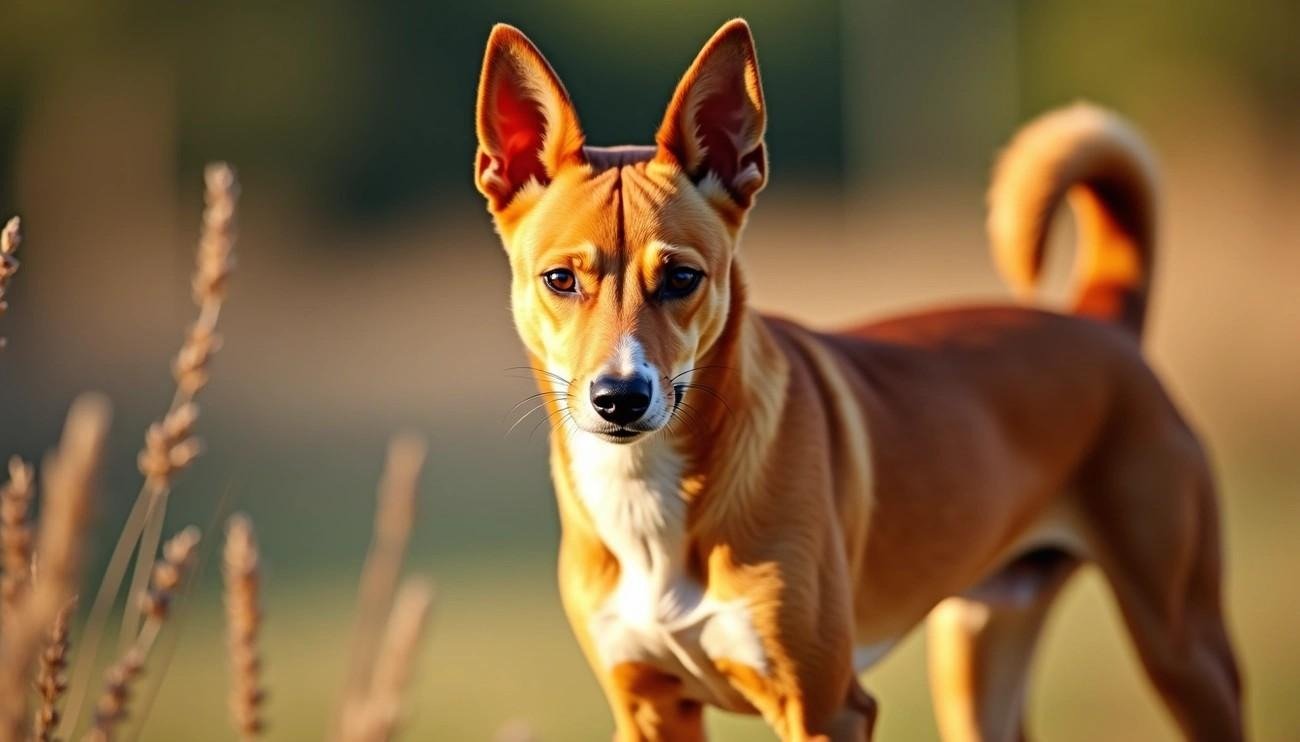
Basenjis earned their nickname “barkless dog” because they make unique vocalizations that distinguish them from all other dog breeds. These remarkable dogs trace their lineage to ancient Egypt and appear in artwork dating back 4500 years, which makes them one of the oldest surviving dog breeds. The sort of thing I love is that paleontologists discovered cave paintings in Libya showing Basenji-type dogs from between 6000 BCE and 100 CE.
A Basenji’s graceful frame reaches about 16 inches tall for females and 17 inches for males. Female Basenjis typically weigh 22 pounds while males reach 24 pounds. These dogs live 12-14 years [-4] and their appearance hasn’t changed since the time of the Pharaohs. Their independent spirit combines with an energetic and curious nature. They need at least an hour of daily exercise to stay healthy. Indian dog lovers can expect to pay between ₹20,000 and ₹50,000 for a Basenji, plus monthly care costs around ₹3,550.
Basenji Dog Breed Overview
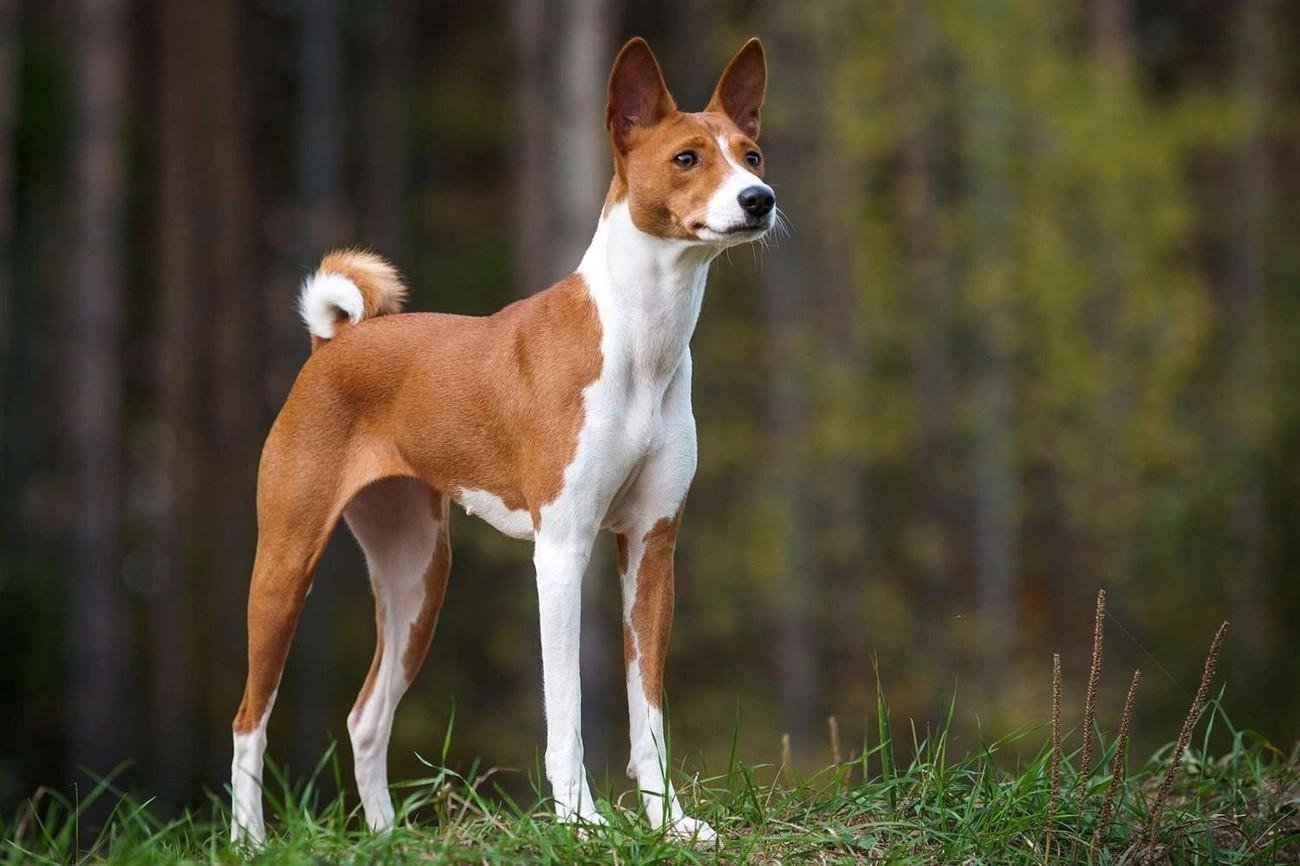
Image Source: Daily Paws
The Basenji stands among the planet’s oldest dog breeds with a rich history that goes back thousands of years. This small, elegant hunting dog from Central Africa has unique traits that made it a cherished companion throughout human history.
Origin and history of the African Basenji
The Basenji’s story begins deep in African soil, right in the Congo Basin region. <citation index=”39″ link=”https://en.wikipedia.org/wiki/Basenji” similar_text=”The Basenji originated on the continent of Africa,[12] where it has been identified with Egyptian depictions of dogs with curled tails and erect ears, a breed called Tesem which is found in murals as old as 4,500 years.[13][14][15] Edwards et al (2021) suggest that the Basenji made its first appearance in the western world in the mid 19th century and in support of this argue that a painting by Thomas Musgrave Joy (1812-66) entitled Three Dogs dated 1843 belonging to Queen Victoria includes a dog that is clearly a Basenji. The dog in question was brought back from the Niger expedition of 1841.[11] Europeans first described the breed which became the Basenji in 1895 in the Congo. These dogs were prized by locals for their intelligence, courage, speed, and silence. Several attempts were made to introduce the breed into England, but the earliest imports succumbed to disease. In 1923 six Basenjis were taken from Sudan, but all six died from distemper shots received in quarantine.[17] It was not until the 1930s that foundation stock was successfully established in England, and then in the United States by animal importer Henry Trefflich. It is likely that nearly all the Basenjis in the Western world are descended from these few original imports.[18] The breed was officially accepted into the AKC in 1943. In 1990, the AKC stud book was reopened to 14 new imports at the request of the Basenji Club of America.[19] The stud book was reopened again to selected imported dogs from 1 January 2009 to 31 December 2013.[20] An American-led expedition collected breeding stock in villages in the Basankusu area of the Democratic Republic of Congo, in 2010.[21] Basenjis are also registered with the United Kennel Club. The popularity of the Basenji in the United States, according to the American Kennel Club, has declined over the past decade, with the breed ranked 71st in 1999, decreasing to 84th in 2006, and to 93rd in 2011.[22]”>Ancient Egyptian tomb artwork shows Basenji-like dogs dating back 4,500 years. Stone Age cave paintings also feature similar dogs.
African tribes valued these dogs as skilled hunting partners because of their intelligence, courage, speed, and silence during prey pursuit. These remarkable animals helped flush out game and drive it into nets. Their keen eyesight and agility let them direct themselves through dense forests.
The breed stayed almost unchanged for thousands of years in its native Africa. The journey to bring Basenjis to the Western world wasn’t easy. The Basenji originated on the continent of Africa, where it has been identified with Egyptian depictions of dogs with curled tails and erect ears, a breed called Tesem which is found in murals as old as 4,500 years. Edwards et al (2021) suggest that the Basenji made its first appearance in the western world in the mid 19th century and in support of this argue that a painting by Thomas Musgrave Joy (1812-66) entitled Three Dogs dated 1843 belonging to Queen Victoria includes a dog that is clearly a Basenji. The dog in question was brought back from the Niger expedition of 1841. Europeans first described the breed which became the Basenji in 1895 in the Congo. These dogs were prized by locals for their intelligence, courage, speed, and silence. Several attempts were made to introduce the breed into England, but the earliest imports succumbed to disease. In 1923 six Basenjis were taken from Sudan, but all six died from distemper shots received in quarantine. It was not until the 1930s that foundation stock was successfully established in England, and then in the United States by animal importer Henry Trefflich. It is likely that nearly all the Basenjis in the Western world are descended from these few original imports. The breed was officially accepted into the AKC in 1943. In 1990, the AKC stud book was reopened to 14 new imports at the request of the Basenji Club of America. The stud book was reopened again to selected imported dogs from 1 January 2009 to 31 December 2013.[20] An American-led expedition collected breeding stock in villages in the Basankusu area of the Democratic Republic of Congo, in 2010.[21] Basenjis are also registered with the United Kennel Club. The popularity of the Basenji in the United States, according to the American Kennel Club, has declined over the past decade, with the breed ranked 71st in 1999, decreasing to 84th in 2006, and to 93rd in 2011.[22]”>The first attempts to bring them to England failed when the imported dogs died from disease. <citation index=”39″ link=”https://en.wikipedia.org/wiki/Basenji” similar_text=”The Basenji originated on the continent of Africa, where it has been identified with Egyptian depictions of dogs with curled tails and erect ears, a breed called Tesem which is found in murals as old as 4,500 years. Edwards et al (2021) suggest that the Basenji made its first appearance in the western world in the mid 19th century and in support of this argue that a painting by Thomas Musgrave Joy (1812-66) entitled Three Dogs dated 1843 belonging to Queen Victoria includes a dog that is clearly a Basenji. The dog in question was brought back from the Niger expedition of 1841. Europeans first described the breed which became the Basenji in 1895 in the Congo. These dogs were prized by locals for their intelligence, courage, speed, and silence. Several attempts were made to introduce the breed into England, but the earliest imports succumbed to disease. In 1923 six Basenjis were taken from Sudan, but all six died from distemper shots received in quarantine.It was not until the 1930s that foundation stock was successfully established in England, and then in the United States by animal importer Henry Trefflich. It is likely that nearly all the Basenjis in the Western world are descended from these few original imports. The breed was officially accepted into the AKC in 1943. In 1990, the AKC stud book was reopened to 14 new imports at the request of the Basenji Club of America. The stud book was reopened again to selected imported dogs from 1 January 2009 to 31 December 2013. An American-led expedition collected breeding stock in villages in the Basankusu area of the Democratic Republic of Congo, in 2010. Basenjis are also registered with the United Kennel Club. The popularity of the Basenji in the United States, according to the American Kennel Club, has declined over the past decade, with the breed ranked 71st in 1999, decreasing to 84th in 2006, and to 93rd in 2011.Success came in the 1930s when breeders managed to keep foundation stock alive in England and later in the United States. Where it has been identified with Egyptian depictions of dogs with curled tails and erect ears, a breed called Tesem which is found in murals as old as 4,500 years. Edwards et al (2021) suggest that the Basenji made its first appearance in the western world in the mid 19th century and in support of this argue that a painting by Thomas Musgrave Joy (1812-66) entitled Three Dogs dated 1843 belonging to Queen Victoria includes a dog that is clearly a Basenji. The dog in question was brought back from the Niger expedition of 1841.[11] Europeans first described the breed which became the Basenji in 1895 in the Congo. These dogs were prized by locals for their intelligence, courage, speed, and silence. Several attempts were made to introduce the breed into England, but the earliest imports succumbed to disease. In 1923 six Basenjis were taken from Sudan, but all six died from distemper shots received in quarantine.[17] It was not until the 1930s that foundation stock was successfully established in England, and then in the United States by animal importer Henry Trefflich. It is likely that nearly all the Basenjis in the Western world are descended from these few original imports.[18] The breed was officially accepted into the AKC in 1943. In 1990, the AKC stud book was reopened to 14 new imports at the request of the Basenji Club of America.[19] The stud book was reopened again to selected imported dogs from 1 January 2009 to 31 December 2013. An American-led expedition collected breeding stock in villages in the Basankusu area of the Democratic Republic of Congo, in 2010. Basenjis are also registered with the United Kennel Club. The popularity of the Basenji in the United States, according to the American Kennel Club, has declined over the past decade, with the breed ranked 71st in 1999, decreasing to 84th in 2006, and to 93rd in 2011. The American Kennel Club added the Basenji to its registry in 1943.
Why they are called the ‘barkless dog’
The sort of thing I love about Basenjis is their unusual voice. People call them the “barkless dog,” but these dogs aren’t mute. They make a special sound that’s a mix between a chortle and a yodel. Dog lovers often call this sound a “baroo”.
The Basenji’s special voice comes from its unique body structure. Their larynx differs from other dogs. The laryngeal ventricle between vocal and vestibular folds isn’t as deep as other breeds, which stops their vocal cords from vibrating like typical dogs.
Scientists have interesting ideas about why this happened. Some think Basenjis evolved or African villagers bred them to be quiet hunters, which helped them catch prey better. Others suggest they developed these sounds to copy jackals or hyenas, which might have scared predators away from villages.
Recognized breed standards and physical traits
The official breed standards describe Basenjis as compact, elegant dogs with these distinct features:
- Size and Weight: Male Basenjis should be 17 inches (43 cm) at the withers, females about 16 inches (40 cm). Males typically weigh 24 pounds (11 kg), females around 21 pounds (9.5 kg).
- Body Structure: These dogs have a balanced build with a short, level back that ends in a defined waist. You’ll notice their deep brisket, moderately sprung ribs, and clean, fine-boned legs.
- Head and Expression: A Basenji’s head shows a flat, well-chiseled skull of medium width that narrows toward the nose. Their forehead creates distinctive wrinkles when alert, giving them a thoughtful look.
- Unique Features: Three main traits define their look—a tightly curled tail that bends sharply forward, erect pointed ears, and a wrinkled forehead. They move with a swift, long stride that reminds many of a racehorse trotting.
- Coat and Color: These dogs sport short, sleek coats in several colors: pure black and white, red and white, black and tan with white, and brindle and white (red background with black stripes). White marks usually show up on their feet, chest, and tail tip.
Basenjis are clean freaks, grooming themselves just like cats. This cat-like cleanliness plus their striking looks and amazing history makes them truly special. They’ve kept their primitive traits alive through centuries of breeding.
Basenji Characteristics and Appearance
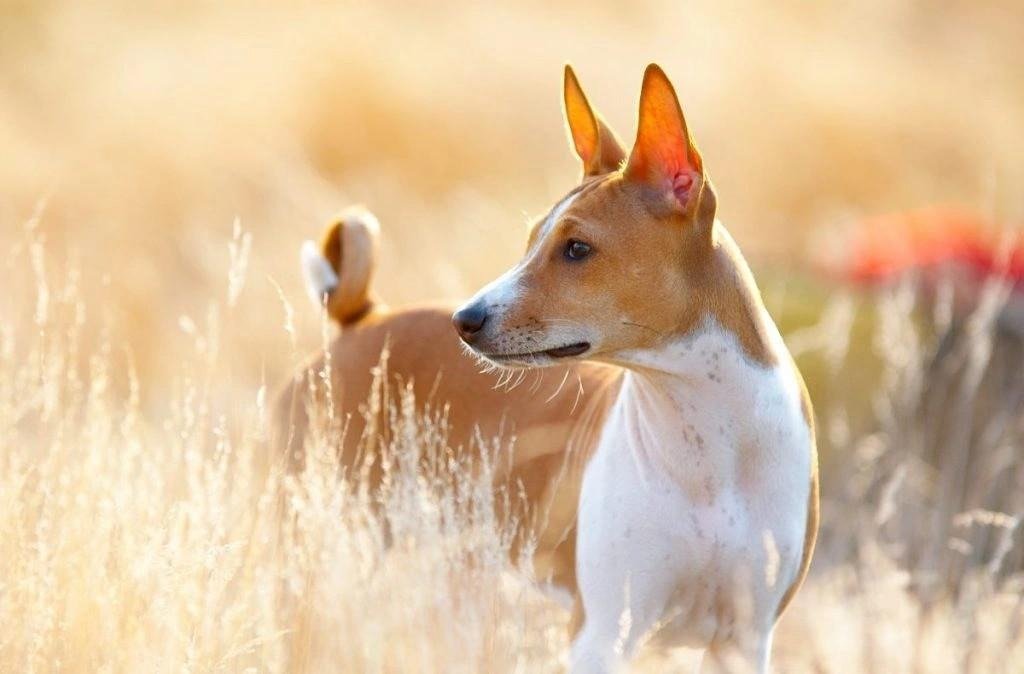
Image Source: DogTime
The Basenji stands out as one of the most elegant breeds in the dog world. This small but athletic dog has unique physical traits that make it easy to spot among other breeds.
Size and weight (in kg)
Basenjis fit into the smaller hound category with a balanced, compact frame that masks their athletic abilities. Adult males stand approximately 43 cm (17 inches) at the withers, while females measure about 40 cm (16 inches). Their height differences show up in their weights too.
Male Basenjis typically weigh around 11 kg (24 lbs), and females are lighter at 9.5 kg (21 lbs). Most of these dogs weigh between 9-11 kg (20-24 lbs). Their muscular yet lightweight build helps them move with amazing speed and agility.
These dogs have a distinctive square outline with long legs compared to their size, a short back, and they carry their heads high. Their proportions make them look “high on the leg compared to length”, which creates their graceful silhouette.
Coat type and color variations
Basenjis have a short, sleek coat that sits close to their body. Their coat feels “short and fine” with “very pliant skin”, which makes them clean and easy to maintain. This fine coat serves them well – it suits the hot, humid African climate where they come from and stops them from getting caught in thick bush while hunting.
You’ll find these dogs in several standard colors:
- Red and white: A rich chestnut red base with white markings
- Pure black and white: Glossy black with white accents
- Black, tan, and white (tricolor): Pure black and chestnut red with white markings
- Brindle and white: Red background with distinctive black stripes
Some rarer but accepted colors include black brindle and white, blue cream and white, cream and white, mahogany tan and white, and sable and white. Whatever their main color, all Basenjis must have white feet, chest, and tail tip. They can also have white legs, blaze, and collar. The breed standard says that “the amount of white should never predominate over primary color”.
Unique features: curled tail, wrinkled forehead
Basenjis have three features that make them easy to recognize. Their tightly curled tail sits high on their body, creating what breeders call a “reachy appearance to hindquarters”. This tail curves tightly over their spine and rests against their thigh in a single or double curl.
The breed’s wrinkled forehead adds to their charm. These wrinkles become more noticeable when they’re alert or excited, giving them a thoughtful look. Puppies and certain color variations show these wrinkles more clearly.
Their pointed, erect ears always face forward. Combined with almond-shaped eyes that “convey a variety of subtle, humanlike emotions”, these features create an expressive face that captivates many dog lovers.
The Basenji’s movement deserves special attention. They move “swift, effortless” like “a racehorse trotting full out”. Their smooth strides showcase their athletic nature and hunting background.
These physical traits create a uniquely beautiful and functional dog that looks almost the same as it did thousands of years ago.
Basenji Behavior and Temperament
A Basenji’s elegant exterior masks a personality that stands out from other dogs. These unique canines don’t live to please their owners like most domestic breeds. They follow their own path, and their complex temperament continues to engage dog enthusiasts worldwide.
Independent and cat-like nature
People often say Basenjis have a “catlike personality“. This goes beyond their famous cleanliness. These dogs clean themselves just like cats do. They spend lots of time grooming their coats. Their remarkable independence and self-confidence show up in how they prefer making their own choices rather than following commands.
These self-sufficient dogs are a great match for the right owner. Unlike other breeds that seek constant approval, Basenjis “will never look up to people unconditionally”. This independent nature runs deep in their history. African villages kept these dogs not just as companions – we used them mainly because they were exceptional hunters.
Interaction with family and strangers
Their independent spirit doesn’t stop Basenjis from bonding deeply with their chosen people. They pick their favorite family members and want to be part of everything happening at home. One expert puts it simply: “They want to be with you, play with you, hang with you”. Yet they act differently with people they don’t know – Basenjis are “reserved with strangers” and “may be aloof”.
Owners need to understand this two-sided social behavior. These naturally cautious dogs need early socialization to feel comfortable in different settings and around new people. Their wariness can become a problem without proper exposure to different environments.
Energy levels and playfulness
These dignified-looking dogs pack lots of energy and need plenty of daily activity. Basenjis are “energetic, inquisitive, and very active”. Their playful spirit needs the right outlets. Smart and energetic, they just need both physical exercise and mental challenges.
Basenjis without enough stimulation often:
- Get bored and destructive
- Start chewing and digging
- Become frustrated and depressed
Basenji owners say it best: “A tired Basenji is a calm Basenji”. These dogs need at least an hour of exercise each day, including long play sessions in fenced areas. Their strong prey drive means they should stay on leash in open areas.
Compatibility with children and other pets
Basenjis can fit well in families with kids, but there are things to think over. They usually do “moderately well” with children, especially growing up together. Notwithstanding that, their independent nature means “they may not tolerate rough handling or loud noises”. They fit better in homes with “older, respectful children”.
Other pets need careful consideration. Well-socialized Basenjis can live with other dogs, but their hunting instincts might see smaller pets as prey. This natural tendency needs careful management in homes with multiple pets.
The Basenji’s temperament stands out from other breeds. They aren’t your typical approval-seeking dogs. Instead, they offer a special bond built on mutual respect and understanding. These intelligent, spirited, and independent dogs make fascinating companions for experienced owners who can meet their needs.
Lifespan and Health of Basenjis
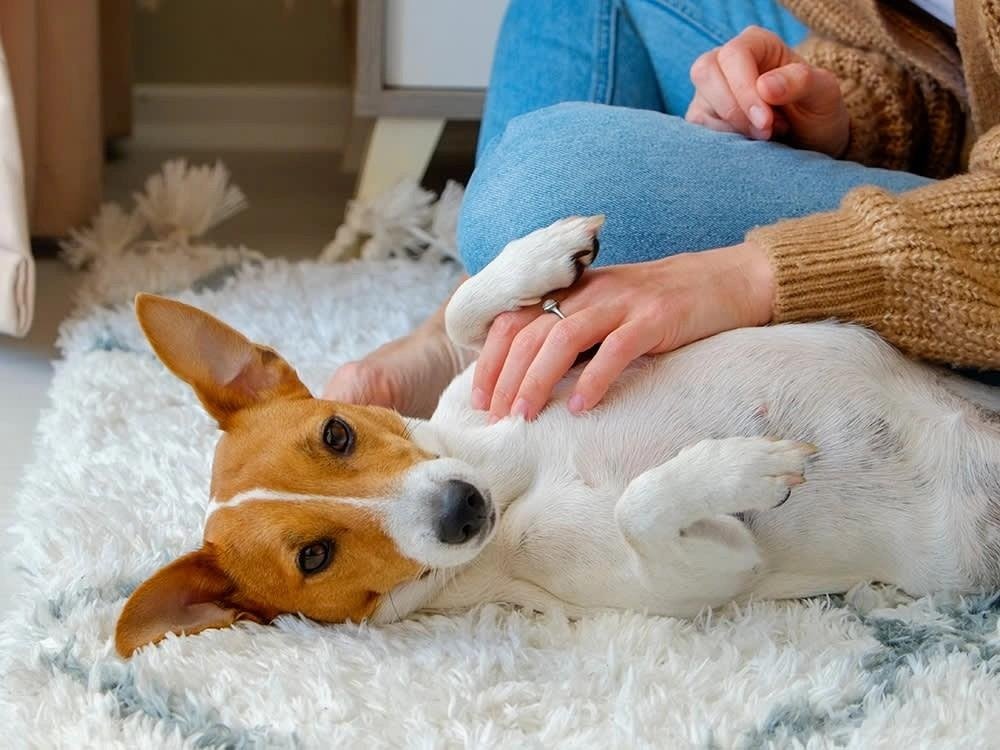
Image Source: Kinship
Basenjis fascinate owners with their unique traits and independent nature. Their health profile deserves attention to provide proper care throughout their lives. These ancient dogs live long lives but face several breed-specific health challenges.
Average lifespan of a Basenji
Basenji owners can look forward to many years with their companions. These small-statured dogs’ average lifespan ranges between 12 and 14 years. Some dogs might live even longer with good care. Their extended lifespan makes them excellent companions that share their distinctive personality for many years.
Natural resilience runs deep in this breed that evolved with minimal human interference over thousands of years. Their longevity stems in part from their smaller size, as smaller breeds tend to outlive larger ones.
Common health issues: Fanconi syndrome, PRA, hip dysplasia
These hardy dogs face several hereditary conditions that owners should know about:
Fanconi Syndrome remains the breed’s most vital health concern. North American Basenjis have a 10-16% chance of developing this inherited kidney disorder. The condition makes kidneys leak essential nutrients into the urine, which leads to:
- Excessive urination and thirst
- Weight loss and weakness
- Abnormal electrolyte levels
- Glucose in urine despite normal blood glucose
Dogs typically show symptoms between 4-8 years of age. Disease progression varies among individuals. Some dogs stay stable for years with proper management, while others develop kidney failure faster. Genetic testing helps identify carriers before breeding.
Progressive Retinal Atrophy (PRA) damages the eye’s photoreceptors and causes gradual retinal degeneration. Dogs start showing symptoms like night blindness and dilated pupils between three and five years old. PRA leads to complete blindness but causes no pain, and dogs adapt well to vision loss. Breeders can use gene tests to identify carriers.
Hip Dysplasia affects Basenjis less than other breeds but remains a concern. This developmental condition occurs when the thighbone fits poorly into the hip joint. Dogs show lameness, struggle to rise, and reduce activity. Treatment focuses on weight control, anti-inflammatory medications, and sometimes surgery.
Other health concerns include hypothyroidism, persistent pupillary membrane, and an inflammatory bowel condition called IPSID.
Preventive care and regular checkups
Basenji’s predisposition to certain conditions makes preventive care vital. Responsible ownership requires:
Regular vet checkups help catch potential issues early. Basenjis need specific monitoring of kidney function through urine tests to spot early signs of Fanconi syndrome.
Genetic testing helps responsible breeders avoid puppies with inherited conditions. Future owners should ask for health clearances covering Fanconi syndrome, PRA, hip dysplasia, and hypothyroidism.
Proper weight management through diet and daily exercise substantially improves overall health and longevity. Simple care like ear checks and dental hygiene prevents other issues.
Quick veterinary attention when something seems off can mean the difference between successful treatment and complications. This watchfulness, paired with routine preventive care, gives these remarkable dogs their best shot at a long, healthy life.
Grooming Needs and Hygiene
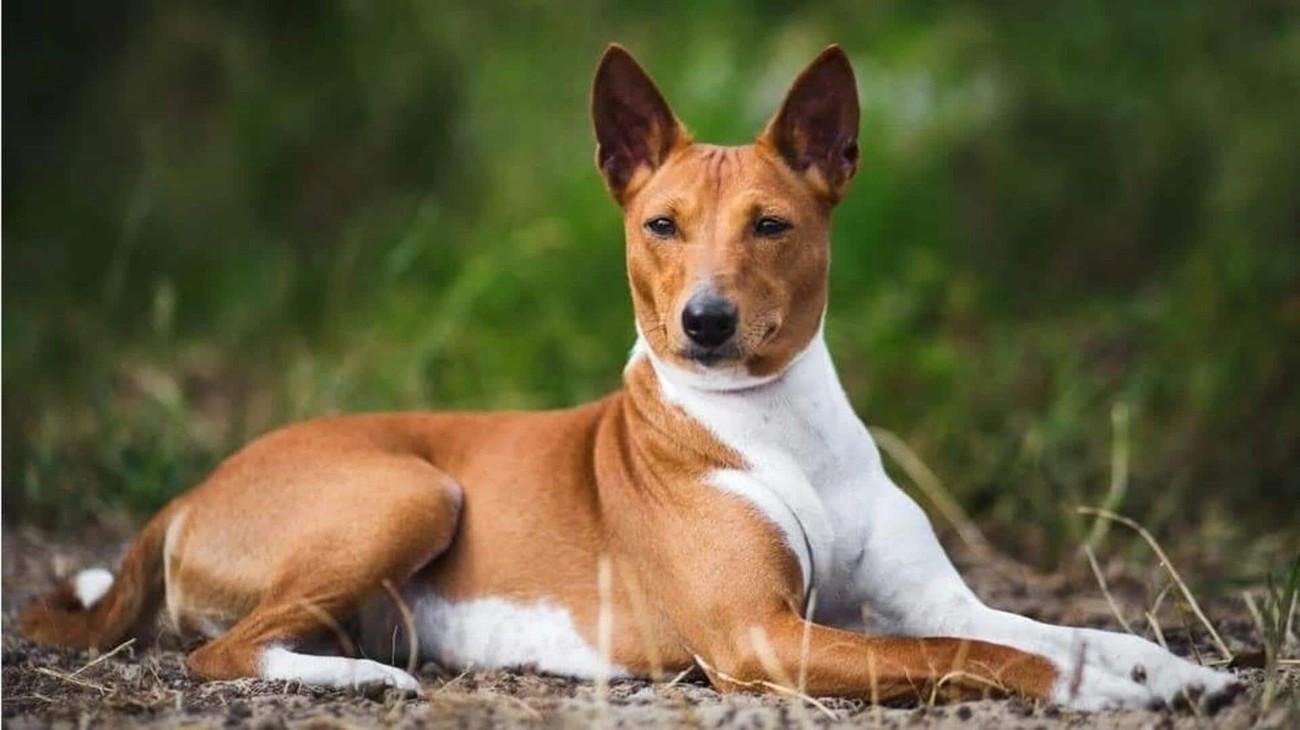
Image Source: NewsBytes
Basenji owners love that these dogs need very little grooming. These clean-focused dogs take care of themselves, which makes them perfect pets if you’re busy or want a dog that’s easy to maintain.
Brushing and bathing routine
Basenjis have a short, fine coat that needs less care than most other breeds. You’ll only need to brush them once a week with a soft-bristle brush, rubber grooming mitt, or hound glove to keep their coat looking great. This quick routine gets rid of loose hair and helps spread natural oils through their coat for a healthy shine.
These dogs shed a bit more in spring and fall, but it’s nowhere near what other breeds do. You might want to brush them more often during these times to handle the extra hair and keep your house clean. The best results come from brushing them outside when they shed more.
Basenjis really shine when it comes to staying clean. They rarely need baths unless they get really dirty. Most people find that bathing every three to six months works well. Here’s what you should do for bath time:
- Pick a gentle dog shampoo that won’t strip away natural oils
- Put a drop of mineral oil in their eyes for protection
- Use cotton balls to keep water out of their ears (just don’t forget to take them out)
- Add a rubber mat to the tub so they don’t slip
- Make sure the water is warm, not hot
Ear, nail, and dental care
Your Basenji’s health depends on more than just coat care. Their upright ears need weekly checks and cleaning to stop dirt from building up and causing infections. A quick wipe with a damp cloth or vet-approved cleaner usually does the trick.
Nail care plays a big role in your Basenji’s comfort. Their nails need trimming every 10-14 days to prevent walking problems. Many owners like using a nail grinder instead of regular clippers because it lets them trim more precisely and avoid cutting the quick.
Good dental care often gets overlooked but remains vital. Brush your Basenji’s teeth 2-3 times each week with a soft toothbrush and special dog toothpaste. Starting this habit early helps stop tartar, gum disease, and bad breath. Most Basenjis learn to enjoy tooth brushing, especially with tasty dog toothpaste.
Why Basenjis are easy to maintain
Basenjis have earned their spot among the easiest breeds to care for. Several things make them stand out:
These dogs clean themselves like cats. They spend lots of time grooming their own coats without needing help from their owners.
Unlike many dogs, Basenjis don’t have that typical dog smell. Your house stays fresh without constant baths or special products.
Their short, fine coat barely sheds. Less hair ends up on your furniture and clothes, making these dogs great for people who like keeping their homes clean.
The time needed for grooming is minimal—just a few minutes each week for brushing, plus some basic nail, ear, and dental care[251]. Basenjis offer the perfect mix of style and practicality if you want a clean pet that’s easy to care for.
Training a Basenji Dog
Training the independent-minded Basenji comes with unique challenges and rewards. These African hounds need specialized approaches that respect their distinctive temperament while setting boundaries, unlike breeds that are more eager to please.
Challenges due to intelligence and independence
The Basenji’s legendary independence makes traditional training methods ineffective. People often describe these intelligent dogs as “catlike” because of their selective listening and self-determined nature. Many first-time owners don’t expect the stubbornness they face.
These dogs lose interest fast, so long training sessions don’t work. Their sessions should run between five to ten minutes to keep them interested. Basenjis also have a strong prey drive that can override their training when they smell something interesting—owners need to keep them leashed or in secure areas.
There’s another reason why training can be tough – their limited recall reliability. Their hunting background means they might wander off chasing scents and ignore commands they already know. One experienced trainer puts it this way: “Basenjis may not always respond to commands as reliably as some breeds, particularly if they find the command uninteresting”.
Effective training techniques
Basenjis respond best to positive reinforcement methods because of their unique temperament. Harsh training techniques usually backfire and create resistance instead of cooperation. Here’s what works best:
- Short, engaging sessions that stop before boredom kicks in
- Enthusiastic praise right after correct behaviors
- Strong-smelling treats to keep their attention when distractions are around
- Clicker training which trainers originally developed for wild animals and works great with “wild” Basenjis
These intelligent dogs quickly spot and take advantage of inconsistent rules or expectations. One person should lead the training at first, especially in homes with multiple people, as “Basenjis tend to form strong bonds with one person”.
Patience matters most when training a Basenji. One owner says, “This breed runs on regular patterns”, which makes routine training sessions at set times work well.
Importance of early socialization
Basenji puppies need early socialization. Without proper exposure to different environments, people, and other animals, their naturally reserved nature can turn into problematic wariness.
Puppy kindergarten classes are a great way to get basic training and vital socialization. These classes teach Basenjis how to interact properly with strangers and other dogs in a controlled setting.
Socialization should start as soon as puppies open their eyes to get the best results. Structured “meet the puppies” sessions with various visitors, including children if the dog will live with them, create positive associations with new experiences.
One expert emphasizes recall training: “Recall should be a top priority in Basenji training. As their prey drive is high, it’s important for your dog to know to come back when called”.
These intelligent hounds can become well-mannered companions who bring their unique charm to your home with patience, consistency, and understanding of their nature.
Feeding and Nutrition Guide
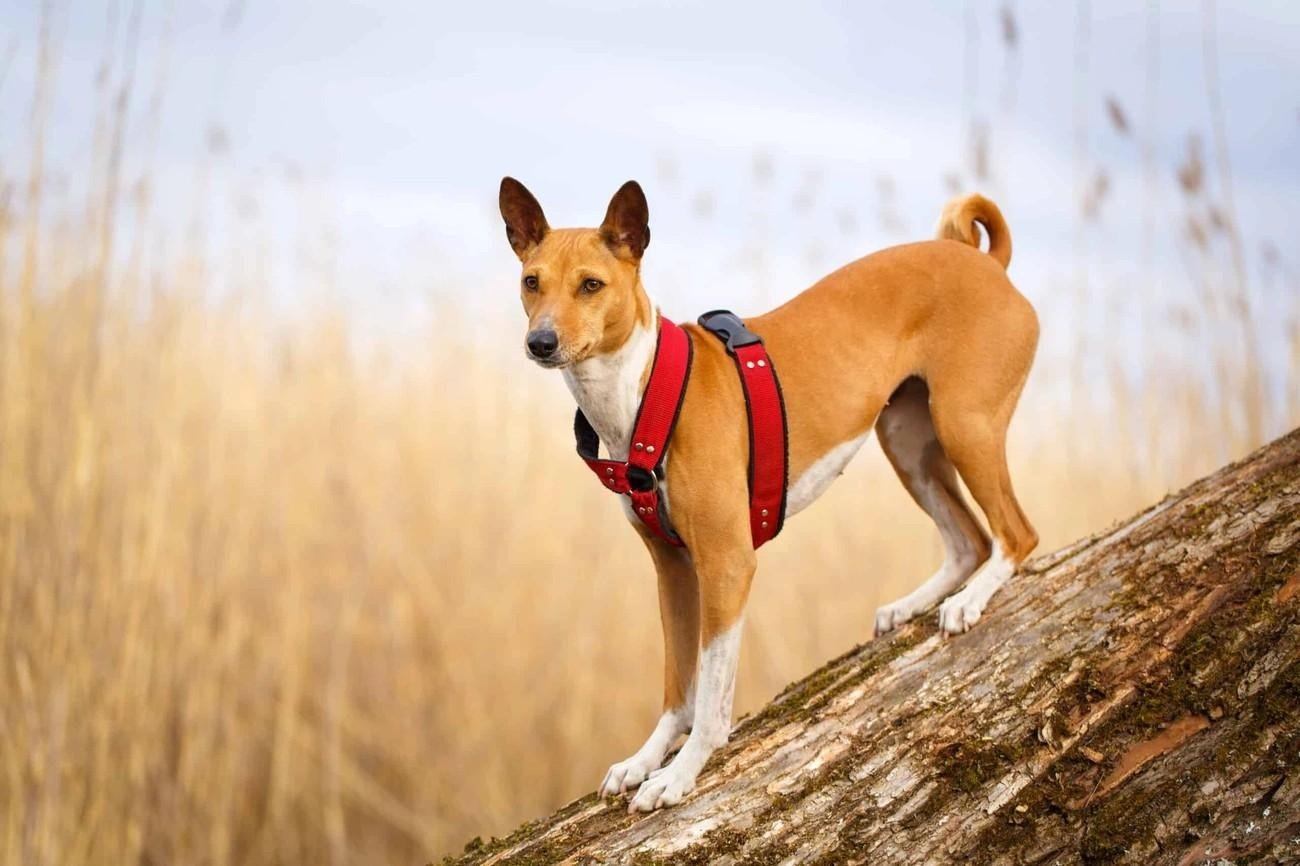
Image Source: American Natural Premium
A Basenji’s health depends on proper nutrition that meets their unique dietary needs at every life stage.
Daily calorie needs by age
Basenji puppies need more calories to support their rapid growth and endless energy. These active pups typically require up to 1500 kcal daily split between two or three meals to fuel their exploration and learning. Their caloric needs drop to about 1200 kcal per day as they reach adulthood.
Adult Basenjis do well with two daily meals or one main meal plus small snacks throughout the day. Senior Basenjis need fewer calories as their metabolism slows down. A lower-calorie diet helps prevent unwanted weight gain in older dogs.
Athletic Basenjis need extra calories to match their energy output, especially when you have dogs that hunt or exercise intensely. Owners should watch their Basenji’s portions and adjust them if their dog starts gaining weight. Extra pounds can lead to serious health issues.
Recommended food types and supplements
Protein is a vital nutrient in a Basenji’s diet. It provides steady energy and supports muscle growth and immune function. Balanced fats act as concentrated energy sources that help vitamin absorption and protect organs.
Commercial dog foods can provide complete nutrition, but many owners think over fresh diets. Raw, species-appropriate meals have muscle meat, organ meat, bone, and small amounts of vegetables. This approach may improve your dog’s digestion, coat quality, dental health, and energy levels.
Supplements can help Basenjis with specific health issues. Omega-3 fatty acids boost joint health, brain development, and reduce inflammation. Probiotics and digestive enzymes prevent bloating and support gut health – something sensitive Basenjis need.
Foods to avoid for Basenjis
These common foods can harm or poison Basenjis:
- Chocolate, coffee, and tea contain dog-toxic stimulants
- Grapes and raisins might cause kidney failure
- Avocados have persin that can poison dogs
- Dogs can’t digest onions and garlic properly, which upsets their stomach
- Xylitol in some peanut butter and baked goods can be deadly
- Rich, fatty foods might cause pancreatitis
Table scraps should make up less than 10% of your dog’s daily calories to keep their diet balanced. Your Basenji needs fresh, clean water available at all times to stay properly hydrated.
Basenji Dog Price and Availability in India
Getting a Basenji in India needs careful thought about costs and availability. These ancient dogs make wonderful companions, but future owners should know what they’re getting into.
Basenji dog price in India (₹20,000–₹50,000)
A Basenji puppy in India costs between ₹20,000 to ₹50,000. Some premium puppies can cost up to ₹60,000. Monthly care costs run from ₹2,500 to ₹4,000, which covers food and vet visits.
The price varies based on quality:
- Non-registered dogs cost around ₹30,000
- KCI registered Basenjis range from ₹40,000 to ₹50,000
- Show quality dogs sell between ₹50,000 to ₹85,000
Factors affecting cost: breeder, pedigree, location
Your Basenji’s price depends on several key factors:
- Breeder reputation – 10+ year old breeders charge more but their puppies are healthier
- Pedigree quality – Dogs with documented family history cost more than those without papers
- Geographic location – Prices change throughout India
- Coat color rarity – Unique colors like Blue Belton come with higher price tags
- Age and gender – Young puppies and males usually cost more
Adoption vs buying: what to consider
Budget-conscious dog lovers can learn about adoption. Rescue centers sometimes have Basenjis ready for new homes. This option costs less and helps a dog find its forever family. The “Secondhand Basenji Handbook” helps people who want to adopt.
Smart buyers should check these things with their breeder:
- Health certifications
- Vaccination records
- KCI registration (if advertised)
- Eco-friendly breeding practices
Many online platforms connect you with trusted Basenji breeders across India. These platforms offer nationwide delivery options.
Conclusion
Basenjis are unlike all but one of these dog breeds thanks to their special traits and ancient roots. These graceful African hounds bring together independence, smarts, and unique features that haven’t changed much over thousands of years. Their “barkless” nature, curled tail, and wrinkled forehead make them easy to spot. The sort of thing I love about them is how they groom themselves like cats and barely shed, making them perfect for people who want a low-maintenance pet.
All the same, you should think about a few key things before getting a Basenji. These dogs may be small (9-11 kg) and live long lives (12-14 years), but they just need training that works with their independent spirit. Getting them used to people and other pets early on shapes them into great companions. On top of that, they need regular health checks for Fanconi syndrome and PRA throughout their lives.
The money side needs careful planning too. The original cost in India runs between ₹20,000-₹50,000, and monthly costs average ₹3,550 for food, vet visits, and basics. Of course, adoption is a great option if you want to give a loving home while spending less.
These ancient dogs ended up rewarding owners who show patience and understanding with steadfast loyalty. They do best with people who embrace their independent nature instead of trying to change it. Patient owners who meet their special needs find an amazing bond filled with mutual respect and lasting love. Living among the world’s oldest and most unique dog breeds brings pure joy.
Key Takeaways
Understanding the Basenji breed requires appreciating their unique characteristics and specific care needs that set them apart from typical domestic dogs.
• Basenjis are “barkless dogs” that produce unique yodel-like sounds instead of traditional barking, making them ideal for noise-sensitive environments.
• These independent, cat-like dogs require patient training with positive reinforcement and early socialization due to their strong-willed nature.
• With minimal grooming needs and self-cleaning habits, Basenjis are exceptionally low-maintenance pets that rarely require baths.
• Health monitoring is crucial as they’re prone to Fanconi syndrome and PRA, but typically live 12-14 years with proper care.
• In India, expect to invest ₹20,000-₹50,000 initially plus ₹3,550 monthly for food, veterinary care, and maintenance expenses.
For experienced dog owners seeking a unique, clean, and independent companion, Basenjis offer thousands of years of unchanged ancient heritage combined with modern adaptability. Their distinctive personality rewards patient owners with loyal, fascinating companionship that differs significantly from traditional dog-owner relationships.
FAQs
Q1. What is unique about a Basenji’s temperament?
Basenjis have an independent, cat-like nature. They are affectionate with family but can be aloof with strangers. While intelligent, they can be challenging to train due to their strong-willed personality.
Q2. How much exercise does a Basenji need?
Basenjis are high-energy dogs that require at least an hour of daily exercise. Without proper physical and mental stimulation, they can become bored and potentially destructive.
Q3. What is the average lifespan of a Basenji?
The typical Basenji lives between 12 and 14 years. With proper care and attention to their health needs, these dogs can be long-term companions for their owners.
Q4. Are Basenjis good with children and other pets?
Basenjis can do well with children, especially when raised together. However, they may not tolerate rough handling. Their strong prey drive means careful introduction is needed with smaller pets.
Q5. What are common health concerns for Basenjis?
While generally healthy, Basenjis can be prone to certain conditions like Fanconi syndrome, progressive retinal atrophy (PRA), and hip dysplasia. Regular vet check-ups and genetic testing for breeding dogs are important.