
Australian Terrier dog Breed Information: Characteristics, Behavior, Temperament, Lifespan, Weight
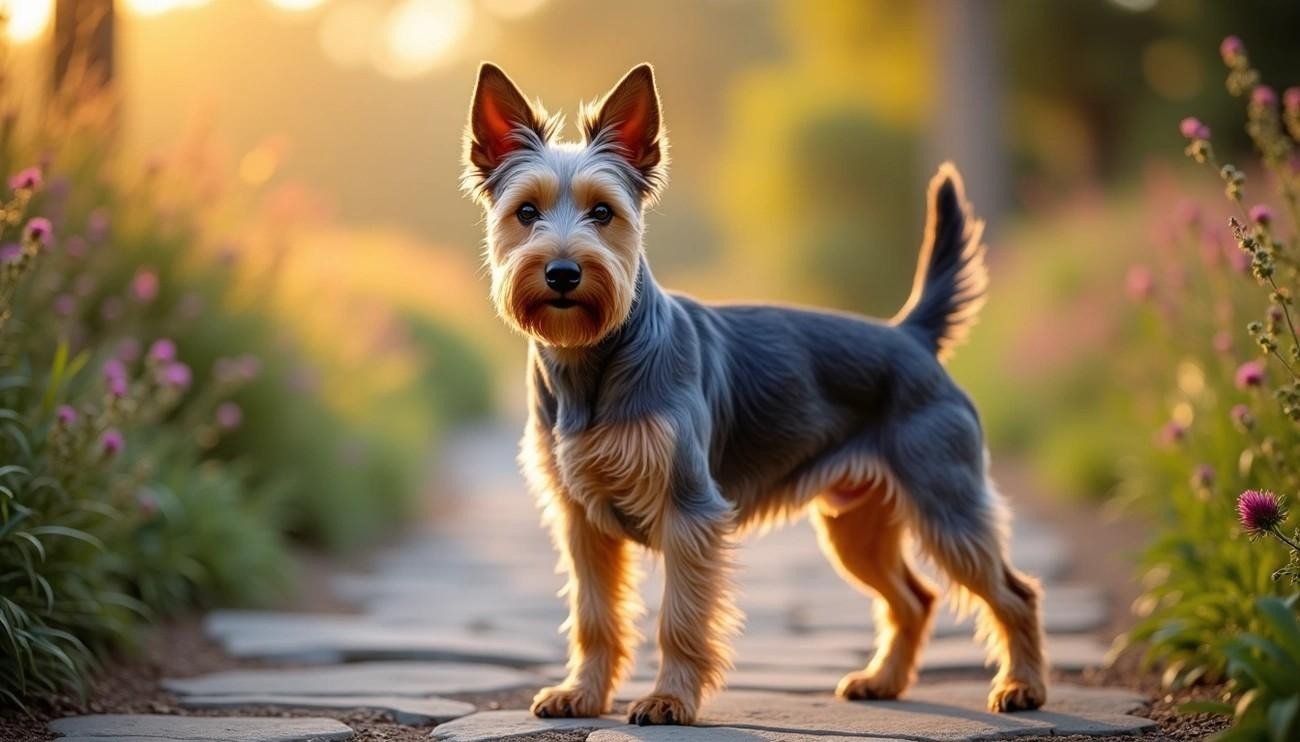
Australian Terriers may be small, but these dogs pack amazing resilience and character into their compact frames. They stand just 10 to 11 inches tall and weigh between 15 to 20 pounds. The AKC officially recognized these charming dogs in 1960, and they’ve been capturing hearts ever since.
These tough terriers came from Australia and adapt easily to a variety of environments and lifestyles. Their distinctive coat features a harsh, wiry outer layer with a soft undercoat that comes in blue and tan, solid sandy, or solid red. Australian terriers live 12 to 15 years, making them alert and spirited companions that bring joy to families looking for a small but active breed.
This piece covers all the essential details future owners should know about Australian terriers. You’ll learn about their unique physical traits, temperament, grooming needs, training requirements, and the costs to expect when bringing one home.
Breed Overview and Physical Characteristics
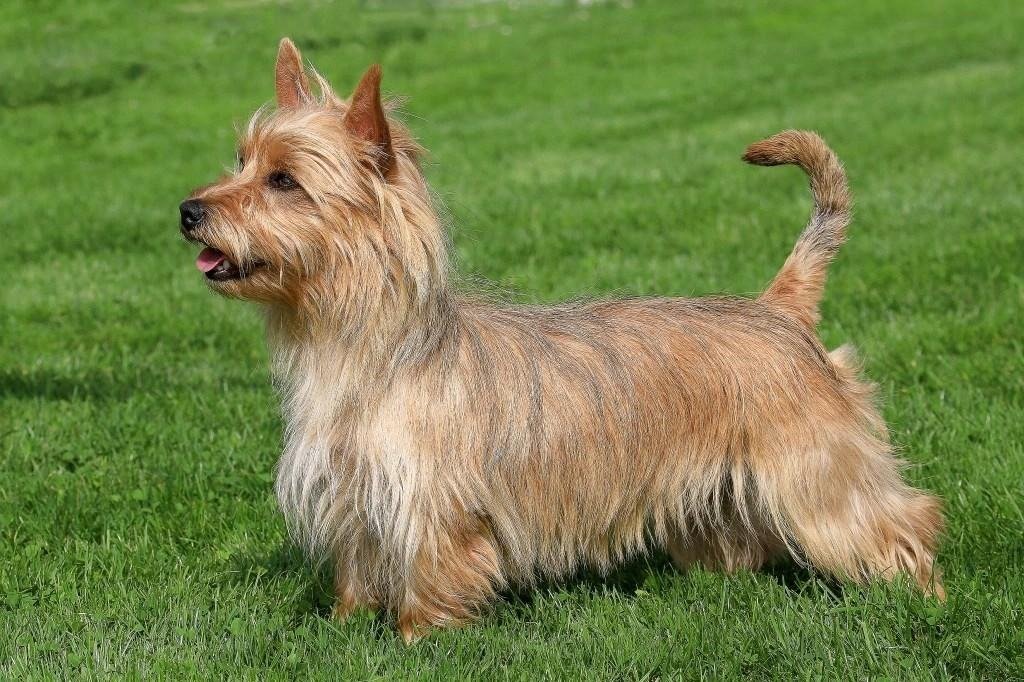
Image Source: DogTime
The Australian Terrier catches everyone’s eye with its unique looks that match its lively personality. This compact canine emerged as one of Australia’s first native breeds. Breeders developed it to control vermin and serve as a companion, making it both useful and charming.
Size and weight range of Australian Terriers
Australian Terriers fit into the small dog category, but their strong build and confident attitude make them seem bigger than they really are. These compact dogs stand about 10-11 inches (25-28 cm) at the shoulder and weigh between 15-20 pounds (6.5-9 kg). Female dogs tend to be a bit smaller and lighter than males.
These small yet mighty dogs are the smallest working terrier breeds around. Their body shows perfect balance with short legs and a slightly longer torso. Despite their small size, Australian Terriers have a resilient build that helped them excel at their original job – hunting rodents and snakes on Australian farms.
Coat type, colors, and texture
The Australian Terrier’s weather-resistant double coat stands out as its signature feature. The outer coat grows straight and harsh, reaching about 2-2.5 inches long. A soft undercoat lies beneath, offering great protection in all kinds of weather. This combination naturally repels dirt and needs little grooming.
The breed’s coat shows these notable features:
- A distinctive ruff around the neck that reaches the breastbone
- Shorter fur on the muzzle, lower legs, and feet
- A special topknot of soft, silky hair that stands out against the harsh coat
Australian Terriers come in these standard colors:
- Blue and tan: Blue shades from dark to silver with rich tan marks on the face, ears, underbody, lower legs, feet, and around the vent
- Solid sandy: Clear, warm sandy without dark shading
- Solid red: Clear red without any dark or smutty areas
The topknot usually looks lighter than the main coat – silver, gold, or a lighter version of the head color. Puppies start life black with tan marks, but the black gradually changes to blue as they grow.
Recognizing the Australian Terrier white and gray variants
The breed standard has changed through the years. Old standards from 1896 allowed “blue or gray body, tan on legs and face”. Today’s standards accept various blue shades from steel blue to dark gray-blue.
Gray shows up in different standards along with blue, mostly when describing body color. The Australian National Kennel Council specifically allows “blue, steel blue or dark gray-blue”.
Dog show judges see white marks on the chest or feet as faults. These marks don’t make the dog any less wonderful as a pet, though they might limit success in show rings.
Anyone looking to bring an Australian Terrier home should learn these physical traits. This knowledge helps spot purebred dogs and shows how careful breeding has kept this tough, good-looking breed going strong.
Temperament and Personality Traits
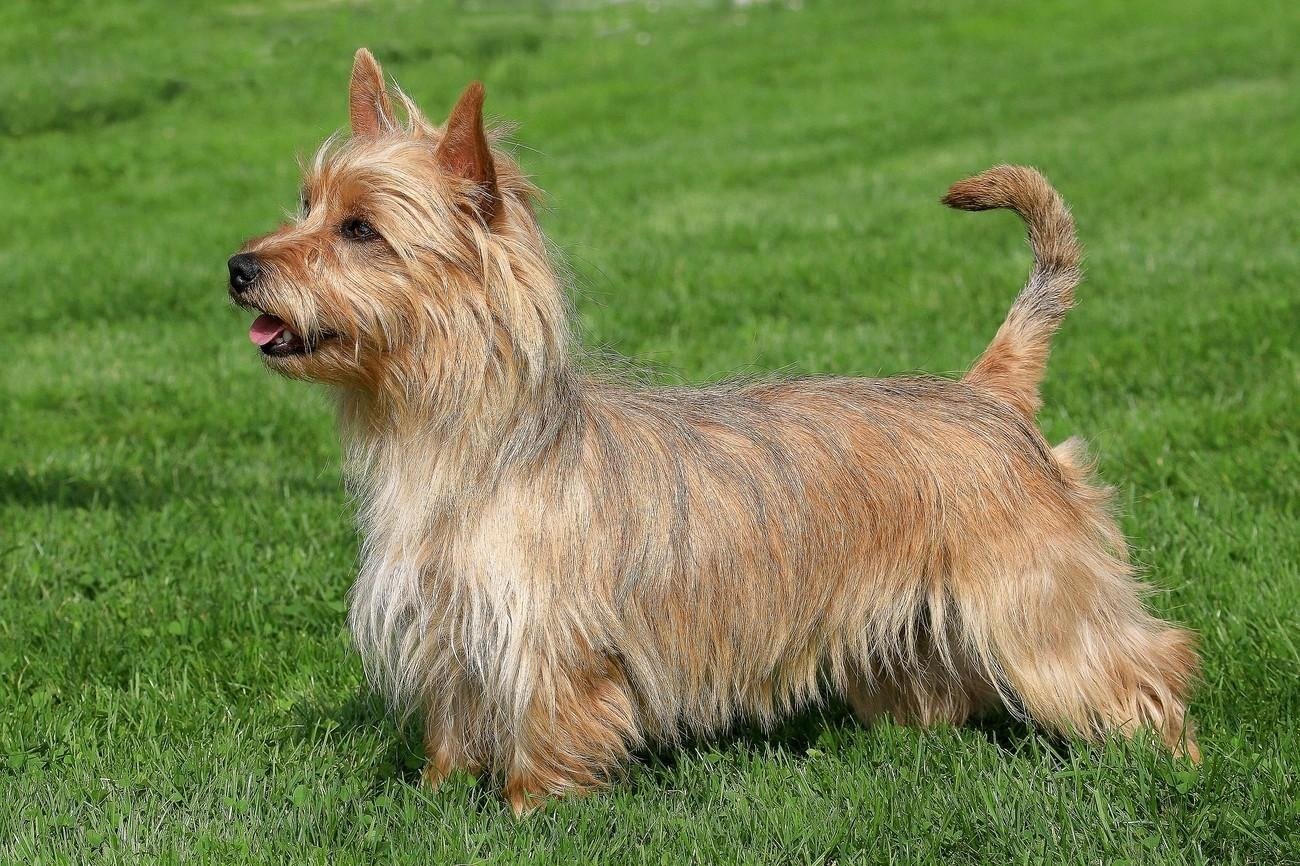
Image Source: The Spruce Pets
Australian Terriers have a personality that matches their compact bodies. These confident and spirited small dogs face life with amazing tenacity and curiosity. Their bold attitude and self-assured nature set them apart from other small breeds. You’ll find them to be companions with big personalities.
Loyalty and affection toward family
Australian Terriers’ devotion to their human companions stands out among dog breeds. They build incredibly strong bonds with their families and become deeply attached to their owners. Their attachment shows in sweet ways – many Aussies follow their favorite people around the house all day long.
These loving dogs make perfect companions. They’ll shower you with cuddles and always try to get your attention. They also need lots of human interaction and feel upset when left alone too long. This makes them a poor choice for homes where they’d spend many hours by themselves.
Australian Terriers prove their loyalty through their protective nature. They take on the role of family guardians, often placing themselves between their loved ones and anything they see as dangerous. This deep loyalty creates such a strong connection that many breed lovers stick with Australian Terriers for life.
Watchdog instincts and alertness
Australian Terriers’ natural watchfulness makes them great guard dogs. These dogs were originally bred to work with humans, and they stay very aware of what’s happening around them. Their alertness and vocal nature mean they’ll bark at anything unusual – from approaching strangers to strange sounds.
These terriers excel at warning their families about potential threats. Their watchdog traits include:
- Vocal alerts: They bark quickly when something seems wrong
- Territorial awareness: They protect their home and family naturally
- Constant watchfulness: They notice every change in their environment
Their watchdog instincts serve a purpose, but their barking needs some control. Good training helps reduce excessive barking while keeping their natural alertness intact. With steady guidance, these dogs learn when they should and shouldn’t bark.
Compatibility with children and other pets
Australian Terriers fit well into families with children. Their playful, energetic personality matches kids’ lively nature. All the same, you should always watch them with children, especially young ones who might not know how to handle dogs properly.
These dogs need careful introduction to other pets. Early exposure to different dogs helps them develop good social skills. Their terrier instincts can still surface during interactions with other dogs. They might act bossy, especially around dogs of the same sex or bigger breeds.
Many Australian Terriers learn to live peacefully with cats if they grow up together. Their strong prey drive can cause issues with smaller pets. They might not be safe around rabbits, hamsters, or birds because of their hunting instincts.
A successful multi-pet household with Australian Terriers needs:
- Early socialization with various animals and people
- Careful introductions of new pets
- Understanding of their natural terrier instincts and prey drive
- Good training to set clear boundaries
Australian Terriers pack loyalty, alertness, and spirit into a small but confident package. Their family devotion makes them treasured companions, while their watchdog abilities add practical value. These terriers adapt well to different family situations with proper training and socialization, bringing their unique charm and character to family life.
Behavioral Patterns and Energy Levels
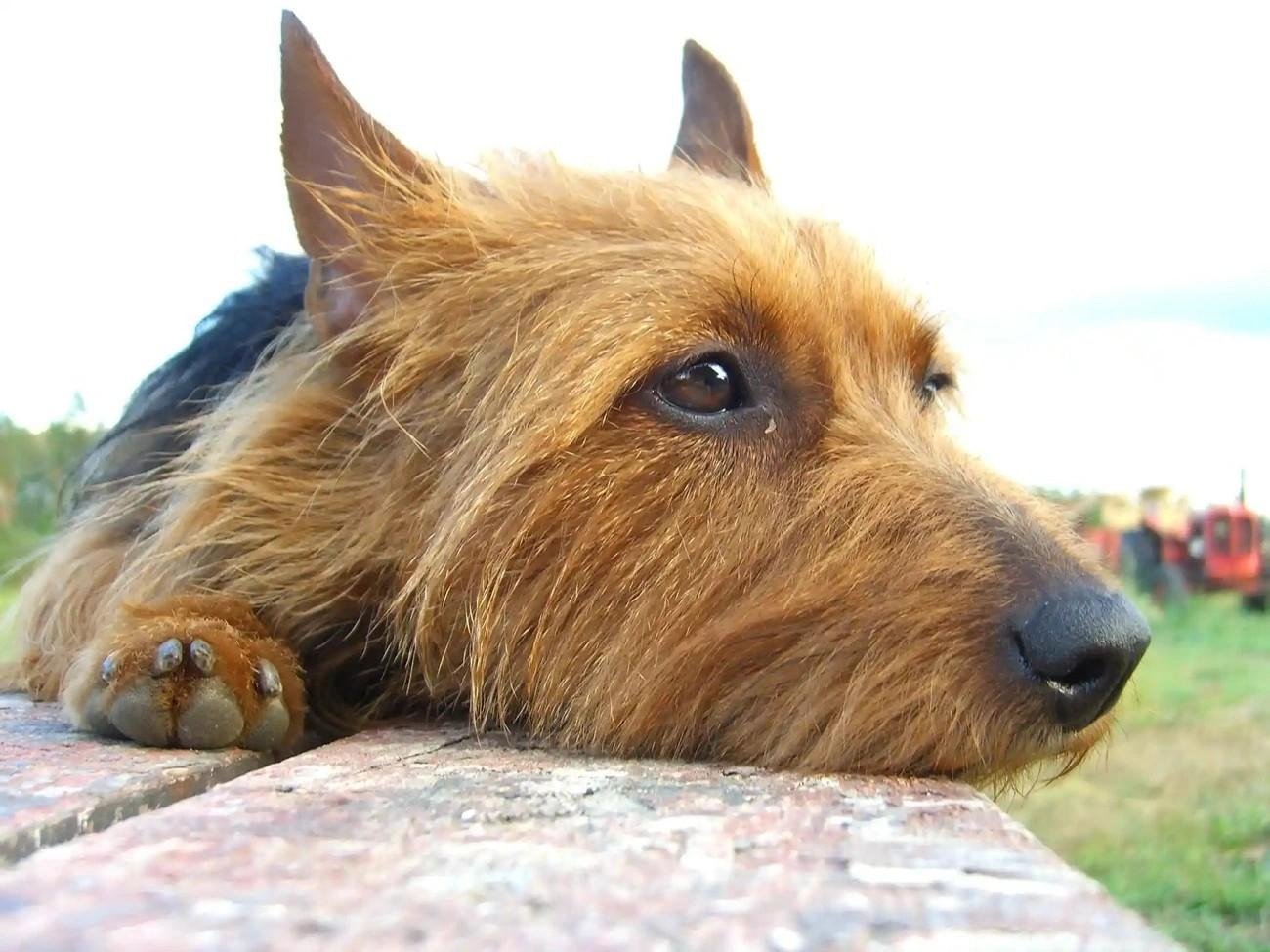
Image Source: EzyDog
Australian Terriers need lots of physical and mental stimulation to stay happy and balanced. These lively dogs bring their working background right into today’s homes. Their unique behavior patterns deserve attention from anyone who wants to welcome one into their family.
Playfulness and activity needs
Australian Terriers thrive on daily activities that mix physical exercise with mental challenges. Most experts suggest 45 to 60 minutes of activity each day, split into multiple sessions. A brisk 30-minute walk helps these terriers use up energy, discover new scents, and stay sharp mentally.
These terriers also need:
- Interactive play sessions (fetch, tug-of-war, hide-and-seek)
- Access to a secure, fenced yard to explore safely
- Short training sessions that test their minds
- Puzzle feeders and new toys to stay interested
These dogs can develop bad habits without enough stimulation. Your Aussie might need more enrichment if you notice restlessness, pacing, destructive chewing, or too much barking. These dogs were bred as companions and love being with their people. They won’t do well living outside or spending long hours alone in a yard or run.
Prey drive and digging tendencies
Australian Terriers have strong hunting instincts that make them unpredictable off-leash. These dogs will chase after small animals like squirrels, rabbits, or cats without thinking twice. You’ll need to keep them on a leash during walks or in a secure fence outdoors.
The urge to hunt runs so deep in this breed that you can’t train it out of them. This makes it tricky to have them around smaller pets, and you’ll need careful planning in homes with multiple animals.
Digging comes naturally to these dogs. Australian Terriers were bred to control vermin, so digging is part of who they are. Many owners create a special digging spot or sandpit where their Aussie can follow this instinct. Rewarding them for using their designated area helps channel this behavior the right way.
Barking habits and vocalization
Australian Terriers love to bark and will let you know about any unusual sounds or visitors. While they make great watchdogs, their barking needs management to avoid becoming a nuisance. These dogs bark for several reasons:
- To warn about potential threats or strangers
- When they hear new sounds
- Because they’re bored or need stimulation
- During playtime or excitement
Teaching Australian Terriers when to stop barking helps create a peaceful home. Commands like “quiet” can control their barking while letting them be good watchdogs. Regular exercise and mental challenges reduce problem barking caused by boredom or extra energy.
These dogs form strong bonds with their families and might get anxious when left alone too long. Crate training and slowly getting them used to short absences helps both dogs and owners handle necessary time apart.
Lifespan and General Health
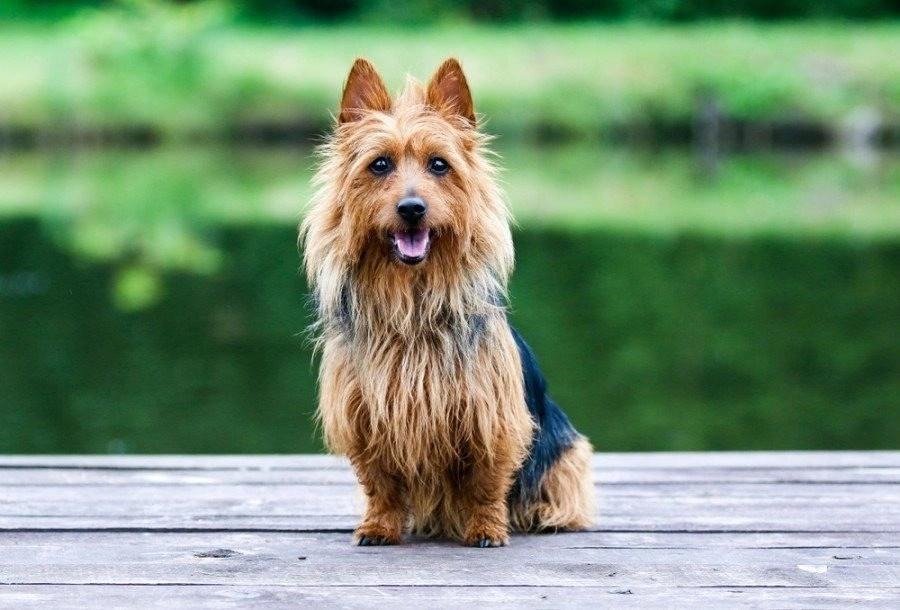
Image Source: Dogster
Australian Terriers may be small, but they pack quite a punch with their remarkable hardiness and longevity. These tough little dogs can live a great life well into their senior years if you give them proper care and nutrition.
Average Australian Terrier lifespan
These terriers have an impressive lifespan of 11 to 15 years. They make excellent long-term companions. Some experts believe these dogs can reach 15 years with exceptional care. UK breed club surveys show their median life expectancy stands just above 12 years.
Female Australian Terriers tend to live about a year longer than males. This gender difference matches what we see in many other dog breeds too.
The Australian Terrier Club of America’s largest longitudinal study in 2002 gave an explanation of the main causes of death: old age (17%), cancer (15%), and diabetes (13%). Many of these dogs reach their natural life expectancy rather than dying from early health complications.
Common health issues to watch for
Diabetes mellitus poses a significant risk to Australian Terriers. This condition mirrors Type 1 diabetes in humans and needs careful management with insulin therapy. Dogs might drink more water, urinate frequently, and lose weight despite eating normally or more than usual.
Joint problems show up quite often in this breed:
- Luxating patella – The kneecap slips out of place and causes limping or unusual walking. Your dog might suddenly lift a back leg while running and hop for a few steps.
- Legg-Calve-Perthes disease – Young dogs under one year old can develop this degenerative hip condition that causes pain and lameness in their back legs.
Older Australian Terriers sometimes develop eye problems. Cataracts can cloud the lens and reduce vision. Early detection through regular eye checks helps manage these issues better.
These dogs might develop allergies that affect their skin and cause itching. Pancreatitis can also occur with symptoms like vomiting, diarrhea, stomach pain, and tiredness.
Preventive care and vet checkups
Regular vet checkups are the life-blood of preventive healthcare for Australian Terriers. Your vet can catch potential problems early during annual examinations. These visits include vaccinations, dental checks, and overall health assessments.
A healthy weight is vital because obesity makes joint problems worse and increases diabetes risk[182]. Your dog needs a balanced diet and regular exercise to maintain ideal weight.
Vets might suggest joint supplements or special diets if your dog shows early signs of mobility issues. Dental care needs attention too, as dental disease affects many small breeds including Australian Terriers.
Green practices in breeding help maintain the breed’s health. Look for breeders who screen their dogs for common genetic conditions. This careful selection reduces hereditary health issues in future generations.
Most Australian Terriers can enjoy 12-15 active, happy years with good preventive care, regular vet visits, and a healthy lifestyle.
Grooming and Maintenance Needs

Image Source: Hound Therapy
Australian Terriers keep themselves pretty clean, which makes grooming a breeze for busy owners. These hardy dogs need minimal time investment to keep their distinctive coats looking great, unlike many breeds that demand extensive care routines.
Brushing and coat care routine
The Australian Terrier’s double coat combines a harsh, straight outer layer with a softer undercoat that shields them from weather of all types. This natural defense system works best with proper care. Your Aussie needs brushing at least once a week to stop matting and get rid of loose hair. Most experts suggest brushing every 2-3 days, especially if your dog loves outdoor adventures where burrs might get stuck in their coat.
Here’s what you should do when brushing your Australian Terrier:
- Spray the coat with a light mist before brushing to avoid damage
- Focus extra attention on the neck, legs, and tail where tangles often form
- Trim the hair between their eyes, around the vent, on the ears, along the tail’s back, and between foot pads
Note that Australian Terrier coats should never see clippers. Use scissors for tidying up or try hand-stripping twice yearly to preserve the coat’s natural weather-resistant qualities. This method keeps both the texture and natural color that clipping would ruin.
Bathing frequency and nail trimming
In stark comparison to common dog care beliefs, Australian Terriers need few baths. Too much shampooing can make their naturally harsh coat soft and leave their skin dry and flaky. A monthly bath works well if your dog stays clean, though every 4-6 weeks serves as a good rule of thumb.
Follow these steps for a successful bath:
- Remove all tangles with a thorough brush before getting your dog wet
- Make sure the water temperature feels just right
- Work the shampoo deep down to reach the soft undercoat
- Give a complete rinse to avoid skin-irritating residue
- Start with gentle dabs using an absorbent towel, then rub until slightly damp
Your Australian Terrier’s nails need monthly trimming. Starting this habit early helps puppies get used to it. Clicking sounds on the floor during walks signal it’s time for a trim.
Managing shedding and drooling
Good news for clean-conscious owners – Australian Terriers barely shed throughout the year. Their rough outer coat tends to hold onto loose hair until brushing. Seasonal changes might bring slightly more shedding, so you’ll want to brush more often then.
These terriers rank among the cleanest dogs when it comes to drooling. They stay naturally tidy and produce almost no drool. This trait, combined with minimal shedding, makes them perfect companions for anyone who likes to keep their home spotless.
Weekly ear checks and regular teeth brushing complete the grooming routine. Checking ears often stops wax from building up and causing infections, which helps keep your Australian Terrier comfortable and healthy.
Training and Socialization Tips
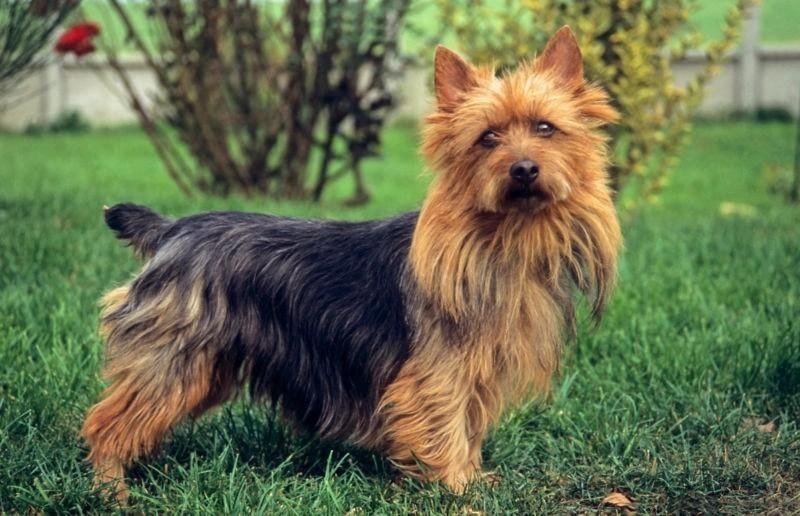
Image Source: Orvis
Australian Terriers combine remarkable intelligence with an independent streak that shapes how they respond to training. These quick-thinking dogs need thoughtful handling to showcase their best qualities and stop stubborn behaviors before they start.
Trainability and intelligence level
Australian Terriers’ impressive problem-solving abilities and sharp minds make them stand out among the highest in intelligence within the terrier group. They learn new commands faster, and they often master tasks at surprising speeds. Their mental sharpness makes them perfect candidates for obedience training, agility courses, and even canine sports.
These dogs thrive on mental challenges that keep their active minds busy. They love:
- Interactive puzzles and problem-solving games
- Learning new tricks and commands
- Different training routines that prevent boredom
Australian Terriers can turn stubborn if training sessions become repetitive or drag on too long. Their independent nature means they might “think for themselves” instead of following commands right away. You’ll need consistent boundaries and training approaches that keep them interested.
Tips for first-time dog owners
Your Australian Terrier’s training should start the moment they come home. Positive reinforcement works best with this breed. Harsh methods usually backfire and trigger stubbornness or anxiety instead of cooperation.
Keep training sessions short—about 5-10 minutes—since these dogs lose interest quickly. High-value treats paired with lots of verbal praise work exceptionally well. Many experienced owners like using small, soft treats their dogs can eat quickly without stopping the training flow.
Clear, steady rules and commands help Australian Terriers learn best. Making training part of your daily routine helps reinforce good behaviors naturally throughout the day.
Socializing with other dogs and strangers
Your Australian Terrier’s adult personality and behavior patterns depend heavily on early socialization. These naturally alert dogs might become wary of new people and animals without proper exposure. Puppy preschool classes are a great way to get controlled socialization while learning simple obedience.
Well-socialized Australian Terriers usually get along with other dogs, though they might act assertively, especially toward dogs of the same sex. They usually prefer hanging out with similar-sized companions instead of larger breeds. Good relationships develop through supervised introductions and positive experiences.
Australian Terrier puppies need gentle exposure to different people. This prevents excessive territorialism while keeping their natural watchdog instincts intact. You should watch interactions between these spirited dogs and children to ensure everyone behaves respectfully.
Patience and positive reinforcement build confidence while nurturing your Australian Terrier’s naturally affectionate and loyal temperament.
Australian Terrier Price and Buying Guide

Image Source: AKC Marketplace – American Kennel Club
Getting an Australian Terrier needs some serious money talk. These lively dogs come with different price tags based on many things. The market knowledge will help you pick the right four-legged friend at the right price.
Australian Terrier price in India and globally
Australian Terrier prices change a lot from place to place. Indian breeders sell puppies between INR 42,190 to INR 84,380. The price depends on the breeder’s name, the dog’s family history, and how many puppies are available. You’ll find these dogs on Indian pet websites with their health papers ready.
Here’s what you might pay around the world:
- Northeast USA: INR 101,256 to INR 210,951
- Midwest USA: INR 84,380 to INR 168,760
- South USA: INR 84,380 to INR 185,636
- West USA: INR 126,570 to INR 210,951
- Australia: INR 126,570 to INR 253,141
Champion bloodline puppies can cost more than INR 151,884. This is a big deal as it means that these dogs come from award-winning families.
Where to find Australian Terrier puppies for sale
The best Australian Terriers come from trusted breeders. Good breeders always give you:
- Health certificates and vet records
- A chance to see the puppy’s parents
- Proof that puppies play with people and other dogs
- A clean, safe indoor home
The AKC Marketplace helps you find registered breeders. Breed clubs also keep lists of good breeders to help you find your perfect pup.
Indian pet websites connect you with checked and verified Australian Terrier breeders. Take your time to check out the breeder before you buy your puppy.
Adopting vs buying: what to think over
Adoption is a kind choice that costs between INR 25,314 and INR 67,504. That’s nowhere near what breeders charge. Adoption comes with extra perks too.
The adoption fee usually covers important vet care like shots, microchipping, and fixing. Rescue dogs show their true personality right away, so you know what you’re getting.
On top of that, it helps solve the pet population problem and gives dogs a new home. Australian Terrier Rescue and other rescue groups can help you find these dogs that need homes.
Remember to save up INR 1,265,706 to INR 2,109,511 for your dog’s lifetime care. This covers everything your pup needs throughout its life.
Pros and Cons of Owning an Australian Terrier
Bringing an Australian Terrier into your home is a big decision that needs careful thought about their great qualities and possible challenges. These spirited dogs can be amazing pets for the right owner, but they might not suit everyone’s lifestyle.
Top reasons to choose this breed
Australian Terriers are flexible companions that fit well in homes of all sizes, as long as you meet their exercise needs. Their remarkable loyalty builds strong family bonds, and they become devoted lifelong companions.
These dogs are great with families because they have:
- High energy levels that match active children perfectly
- Natural watchdog abilities that add extra security to your home
- Light shedding and easy grooming needs
These sturdy little dogs stay healthy with fewer problems than many other breeds. Their weatherproof coat needs little maintenance and naturally repels dirt and mud.
Challenges and things to be aware of
Australian Terriers make wonderful pets, but new owners should know about some challenging traits. They bark a lot at new sounds and situations. Their strong prey drive means you can’t let them off-leash, and they need secure fencing and leash walks.
Australian Terriers need specific training attention because they:
- Need continuous training as they grow
- Think independently and sometimes follow their own path
- Get bored easily and might misbehave without mental challenges
These dogs often get anxious when left alone and struggle with long periods of separation.
Is the Australian Terrier right for you?
Unlike more independent breeds, Australian Terriers need lots of human contact. They fit best with active people or families who can give them at least an hour of exercise daily.
You might be perfect for an Australian Terrier if you:
- Lead an active life with time for daily walks and play
- Want a small dog with big personality and simple grooming needs
- Need a loyal, alert watchdog that gets along with kids
- Stay home regularly instead of being away for long hours
These dogs become excellent companions if you put time into training, socialization, and regular exercise.
Conclusion
Australian Terriers pack a lot of personality into their small, sturdy frames. These spirited dogs make great watchdogs and stay loyal to their families. Their compact size and lifespan of 12-15 years make them perfect long-term companions.
On top of that, these terriers are practical pets that don’t shed much and need minimal grooming. A weekly brush and occasional trim keeps their tough double coat in good shape and weather-resistant. They adapt well to different homes and can live happily in apartments as long as they get enough exercise.
All the same, you should think over a few challenges before getting an Australian Terrier. They have a strong prey drive, so they need secure fences and leashed walks. These dogs bark a lot at anything unfamiliar. They also form strong bonds with their families and don’t do well when left alone too long.
Australian Terriers learn quickly but need consistent training. They’re smart dogs with an independent streak that shows up during training sessions. These clever pups respond best to positive reinforcement and love praise and treats.
These dogs are generally healthy, but owners should watch out for diabetes, luxating patella, and allergies. Regular vet visits help catch these problems early enough to manage them effectively.
Getting an Australian Terrier involves some financial planning. Puppy prices vary by a lot across regions, with costs in India ranging from ₹40,000 to ₹80,000 based on bloodline and breeder reputation. Adoption offers an economical option and gives deserving dogs a new home.
Australian Terriers are perfect if you have an active lifestyle and want an energetic, loving pet that’s easy to groom. Their loyalty, smarts, and spunky attitude create unique personalities that engage their owners forever. These small but mighty dogs bring big hearts and bold personalities to families ready to give them exercise, mental stimulation, and lots of attention.
Key Takeaways
Australian Terriers are compact powerhouses that combine loyalty, intelligence, and spirited personalities in a manageable 15-20 pound package, making them ideal companions for active families.
• Size and Longevity: Standing 10-11 inches tall, these hardy dogs live 12-15 years with proper care and minimal health issues compared to other breeds.
• Exercise and Training Needs: Require 45-60 minutes daily activity plus consistent positive reinforcement training to manage their intelligence and independent streak.
• Grooming Simplicity: Weekly brushing and monthly baths maintain their weather-resistant double coat, with minimal shedding making them apartment-friendly.
• Strong Prey Drive: Must be leashed or in secure fencing due to instinctive hunting behaviors; unreliable off-leash around small animals.
• Vocal Watchdogs: Natural alertness makes them excellent family protectors, though barking requires training to prevent excessive vocalization.
Australian Terriers thrive with owners who can provide consistent companionship, daily exercise, and patient training. Their devotion to family, combined with practical grooming needs and robust health, creates lifelong bonds that often keep owners dedicated to the breed for years to come.
FAQs
Q1. What is the typical temperament of an Australian Terrier?
Australian Terriers are known for their outgoing and intelligent nature. They are generally well-mannered and eager to please, as long as they are included in family activities. These dogs are loyal, affectionate towards their families, and make excellent watchdogs due to their alertness.
Q2. How long do Australian Terriers typically live?
Australian Terriers have an impressive lifespan, typically ranging from 12 to 15 years. With proper care, nutrition, and regular veterinary check-ups, these hardy dogs can enjoy a long and healthy life as cherished family companions.
Q3. What are some common behavioral traits of Australian Terriers?
Australian Terriers exhibit classic terrier traits – they are energetic, feisty, and tenacious. These dogs are known for their strong-willed nature and can be quite vocal. They have a high prey drive, making them prone to chasing small animals, and they require consistent training to manage their independent streak.
Q4. How much exercise does an Australian Terrier need?
Australian Terriers have a high energy level and require regular exercise to stay happy and well-adjusted. They typically need about 45 to 60 minutes of daily activity, which can include walks, play sessions, and mental stimulation. Without adequate exercise, they may develop undesirable behaviors due to boredom.
Q5. Are Australian Terriers easy to groom?
Australian Terriers are relatively low-maintenance when it comes to grooming. Their weather-resistant double coat requires weekly brushing to prevent matting and remove loose hair. They shed minimally and only need occasional baths, making them a good choice for those who prefer a tidy home environment.