
Australian Kelpie Dog Breed Information: Characteristics, Behavior, Temperament, Lifespan, Weight
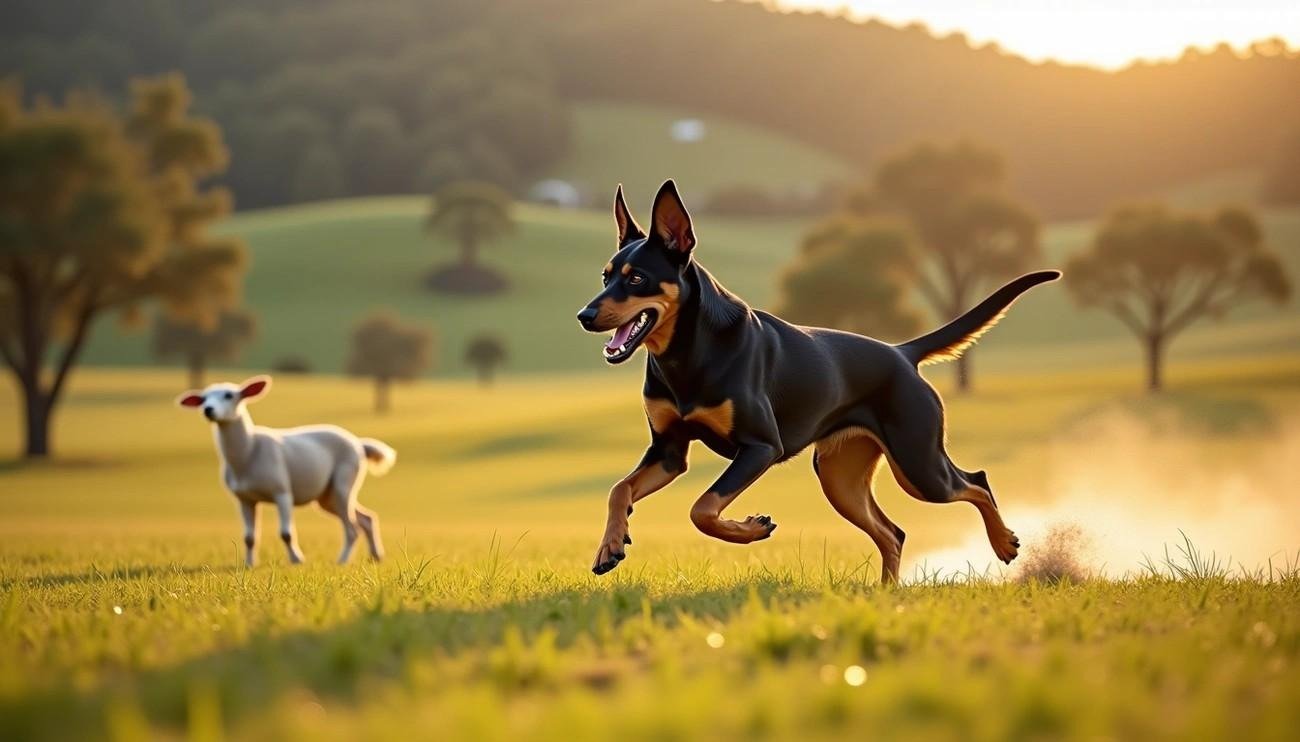
Australian Kelpies are medium-sized herding dogs that showcase remarkable stamina and athletic builds. These dogs weigh between 30 to 45 pounds. Their lifespan ranges from 10 to 15 years[-5], which makes them excellent long-term companions for active owners.
The Kelpie’s sleek and lithe appearance[-5] sets them apart. They belong to an elite group of Australian dog breeds that were bred to herd livestock in tough conditions. These intelligent and loyal dogs possess high energy levels. They need constant physical and mental stimulation to thrive.
This complete guide details the Australian Kelpie breed’s story. You’ll learn about their origins, physical traits, exercise needs, training requirements and health aspects. The remarkable qualities of these dogs have earned them dedicated followers worldwide. This guide helps both potential Kelpie owners and anyone interested in Australian dog breeds understand what makes these dogs special.
Breed Overview and Origin
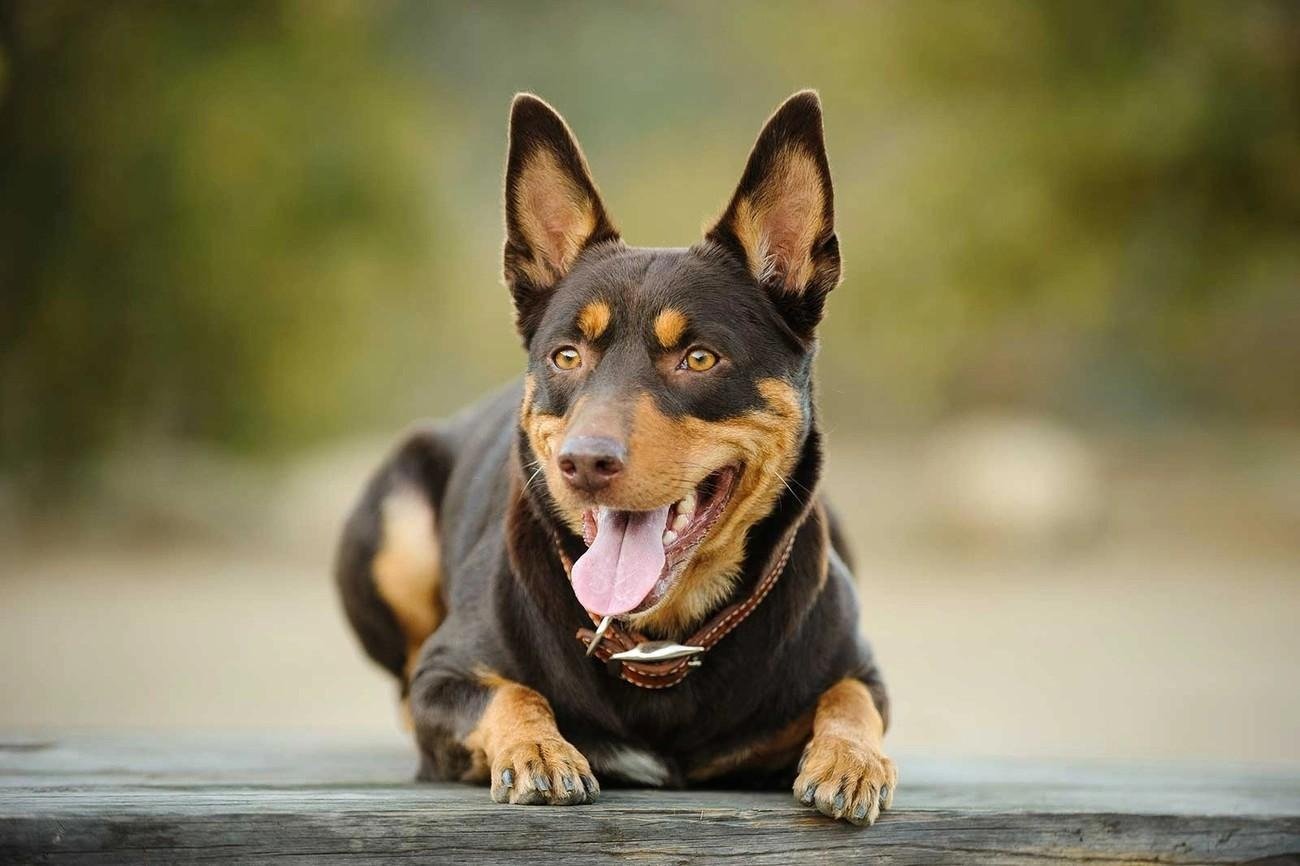
Image Source: Jordan Dog Training
The Australian Kelpie emerged from the rugged Australian outback in the late 19th century to meet the needs of sheep herding across big territories. These smart working dogs have become part of Australia’s farming heritage and stand out as one of the continent’s unique gifts to the world of working dogs.
Where the Australian Kelpie comes from
The Australian Kelpie’s story begins with working collies that Scottish settlers brought to Australia around the 1870s. These early settlers needed reliable herding dogs that could handle Australia’s tough climate, so they brought collie-type dogs, mostly black or dark brown.
The Kelpie breed started with three pairs of working collies that early landholders imported. Breeders selected these dogs to adapt to the intense heat and tough environment of Australia’s outback.
The Australian Kelpies needed special skills that set them apart from European dogs:
- They could travel more than 30 miles in just one day
- They worked in hot, dusty conditions without stopping
- They managed sheep across millions of acres with little oversight
These dogs helped transform Australia’s sheep and wool industry by replacing the old system where convicts did the herding.
The story behind the name ‘Kelpie’
The name “Kelpie” has roots in ancient Celtic mythology. Scottish folklore tells of a kelpie – a water spirit that could turn into a horse. The word comes from Gaelic and means “water sprite”.
The first dog named “Kelpie” was a black and tan female puppy born around 1870 at Warrock Station near Casterton, Victoria. George Robertson, a Scottish settler, owned this property. Jack Gleeson got the puppy by trading a horse for her.
Gleeson moved to New South Wales where his female Kelpie had puppies. He gave one of these puppies – also named Kelpie after her mother – to C.T.W. King. This second Kelpie became famous as “King’s Kelpie” when she tied for first place at the Forbes Trial in 1879.
People started calling dogs from this bloodline “Kelpie’s pups.” By the century’s end, similar-looking dogs were simply called Kelpies, no matter their exact family tree.
Working vs. show Kelpies
Modern Australian Kelpies come in two types: Working Kelpies and Show (or Bench) Kelpies. This split goes beyond looks – it shows real differences in breeding goals and traits.
Working Kelpies are bred to perform and work well. The Working Kelpie Council (WKC) keeps their records and focuses on practical skills rather than looks. These dogs:
- Show up in many different coat colors
- Have more energy and drive
- Work without much human guidance
- Keep their ancestors’ amazing herding skills
Show Kelpies, registered with the Australian National Kennel Council, follow stricter appearance rules. These show dogs:
- Come in fewer coat colors, mostly reds or chocolates instead of the classic black and tan
- Might not work as well as their working cousins
- Look more alike
Robert Kaleski created the first Kelpie standard in 1902, which started the split between the two types. Show dogs started from real working lines, but over time, breeding goals changed a lot.
Both types share the same ancestors – the dogs that made the Kelpie one of Australia’s most valuable working partners.
Physical Characteristics and Appearance
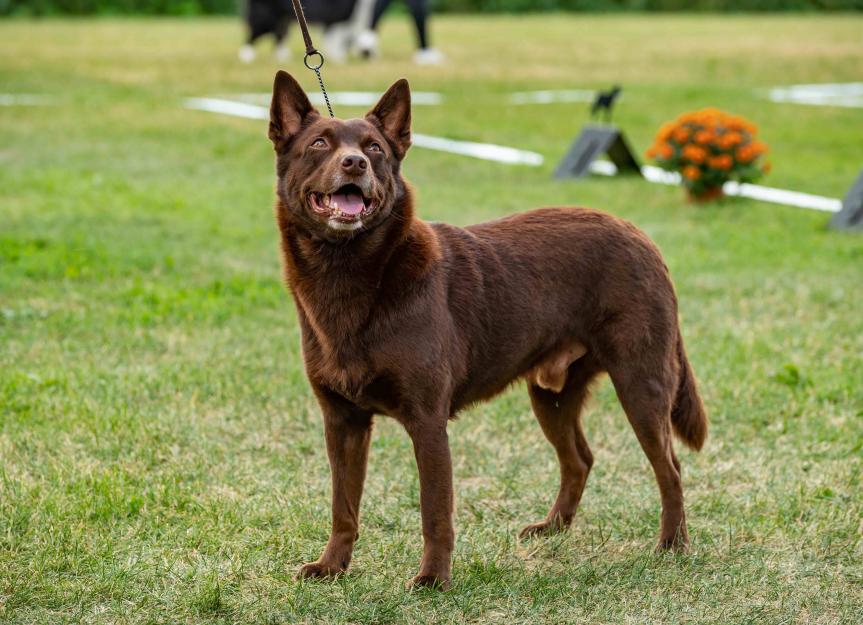
Image Source: PetMD
The Australian Kelpie catches your eye with its athletic build and agile look that showcases its remarkable working skills. This medium-sized herding dog combines strength and flexibility in proportions that put function first.
Size and weight range
Australian Kelpies fit right into the medium-sized dog category, with clear differences between males and females. Males stand between 46-51 cm (18-20 inches) at the withers, and females are a bit smaller at 43-48 cm (17-19 inches).
These dogs usually weigh between 14-20 kg (31-44 lb), though some can reach 25-27 kg (55-60 lb) in rare cases. Male Kelpies typically weigh around 21.8 kg (48 pounds), while females average 19.7 kg (43.5 pounds).
The Australian Kelpie’s body has specific proportions. The length from forechest to buttocks exceeds its height at the withers by a ratio of 10:9. This rectangular shape helps the breed move with amazing agility and stamina.
Coat type and colors
Australian Kelpies have a practical double coat that helps them handle tough Australian conditions. They sport a short, dense undercoat with a close-lying outer coat. The outer coat’s straight, hard, and flat hairs create natural protection against weather and rain.
The coat length varies on different body parts:
- Body: Usually 2-3 cm (0.75-1.25 inches) long
- Head, ears, front of legs and feet: Shorter hair
- Neck: Longer and thicker hair that forms a protective ruff
- Under the body and behind legs: Longer hair with mild breeching near the thighs
- Tail: Thick hair forming a good brush
The breed comes in seven official colors:
- Black (most common, making up about 60% of all Kelpies)
- Black and tan
- Red (darker shades sometimes called chocolate)
- Red and tan
- Fawn
- Chocolate
- Smoke blue
Some standards also recognize other colors like blue and tan, fawn and tan, and cream.
Distinctive features of the breed
The Kelpie’s head matches its body size with a slightly rounded skull that’s broad between the ears. A straight forehead leads to a clear stop, and the muzzle runs slightly shorter than the skull. These features give the Kelpie its fox-like look.
The breed’s pricked ears stand out as a key feature. These pointed triangular ears stand tall. They sit wide apart on the skull and lean slightly outward with curved outer edges. The ear’s inner surface has protective hair.
The Kelpie’s eyes tell their own story – almond-shaped, medium-sized, and defined at the corners. They show intelligence and eagerness that hint at the dog’s amazing work ethic. The eye color matches the coat, usually brown, though blue-coated dogs might have lighter eyes.
The Australian Kelpie embodies athletic ability. Its active, lithe appearance shows hard muscles and flexible limbs. This physical makeup lets the breed work tirelessly with exceptional endurance.
Temperament and Personality Traits
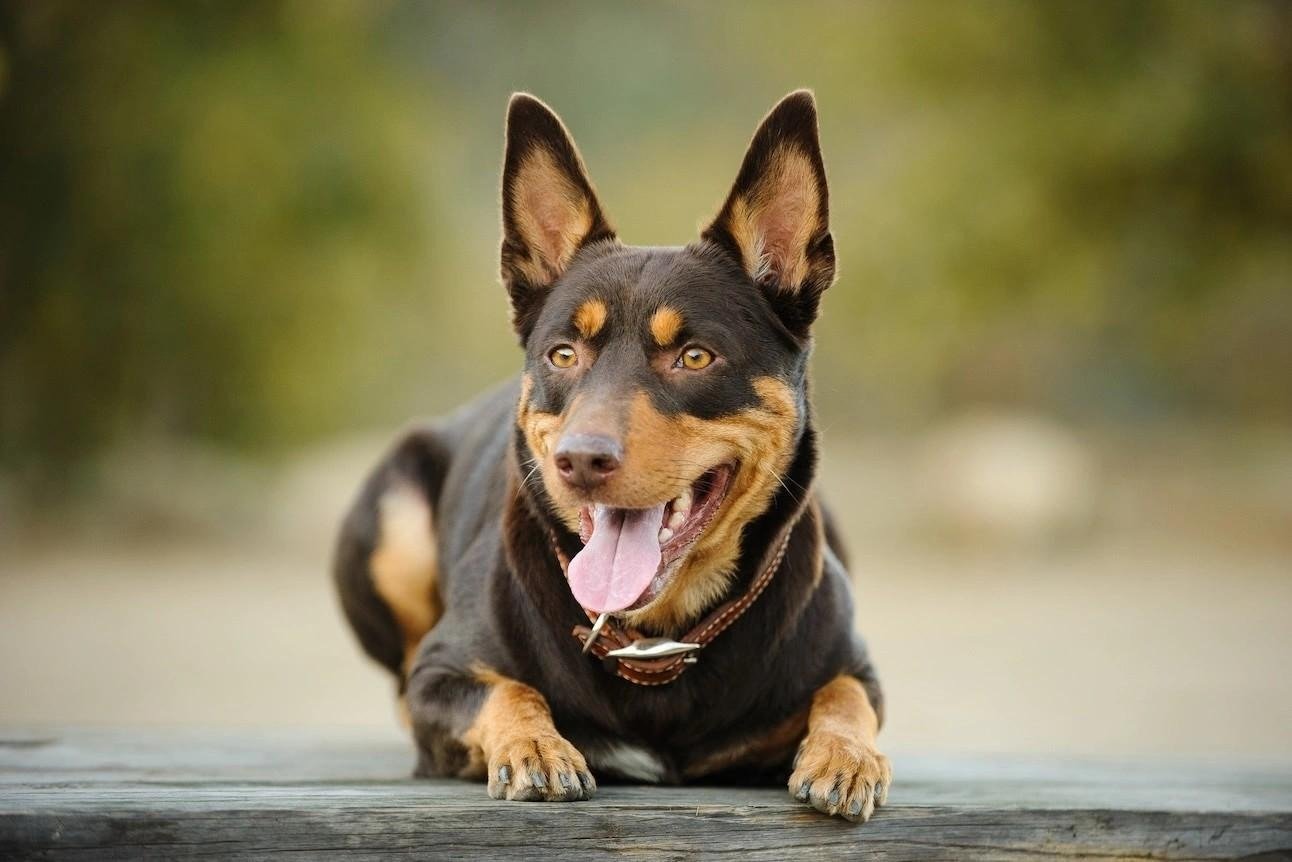
Image Source: Chewy
Australian Kelpies stand out among herding breeds with their athletic build, working heritage, and unique temperament. These dogs blend intelligence, devotion, and boundless energy that needs both physical and mental challenges.
Typical Australian Kelpie temperament
Australian Kelpies rank as some of the world’s smartest breeds. Their sharp minds pair with an enthusiastic, energetic nature. They love to please their owners, which makes training them a breeze.
A Kelpie’s intelligence shows through:
- Knowing how to follow complex instructions
- Amazing problem-solving skills
- Quick adaptation to new challenges
- Independent thinking
These smart dogs need proper mental stimulation. Without it, they’ll create their own “jobs” – from moving things around the house to destroying furniture. That’s why they need consistent training and brain games from puppy age through adulthood.
These dogs bond deeply with their owners. They often pick one or two family favorites while staying friendly with everyone else. People call them “velcro dogs” because they stick close to their humans during outdoor adventures or quiet times at home.
Unlike other working breeds, Kelpies have what owners call a “wicked sense of humor” and a cheeky personality. They’re also great at reading emotions – they pick up on their owner’s moods and the home’s atmosphere quickly.
How they behave with kids and other pets
Well-socialized Kelpies are gentle and protective with children. They make loving playmates, though their herding instinct needs proper training.
With kids, you’ll see Kelpies:
- Act protective
- Play gently
- Show patience
- Try to herd (which needs redirection)
The herding instinct needs special attention. Kelpies might try to “round up” children or guests by gently nipping at their heels. Early positive training helps redirect this natural behavior.
Kelpies get along well with other pets if introduced properly. They’re known to be pet-friendly. Supervised introductions work best. They socialize well with other dogs, especially if they meet different animals early.
Are they good family dogs?
The right family will find a great companion in a Kelpie. These dogs’ friendly nature and loyalty create strong family bonds. Best of all, they know when to calm down – after a good workout, they’ll happily relax with the family.
Success with a Kelpie depends on several factors:
Daily exercise tops the list. These dogs have endless energy and need lots of physical activity. Skipping exercise leads to problem behaviors from boredom.
Mental challenges matter just as much. Giving Kelpies tasks around the house – fetching items, bringing in the newspaper, or training exercises – gives them purpose.
Positive training methods help channel their smarts the right way. Clear boundaries and routines help these independent thinkers understand what’s expected.
Kelpies do best with families who:
- Stay active
- Train consistently
- Mix physical and mental challenges
- Include them in family time
In the end, Australian Kelpies bring amazing loyalty, brains, and energy to family life. They make wonderful companions if you meet their needs for activity and involvement consistently.
Exercise and Activity Needs
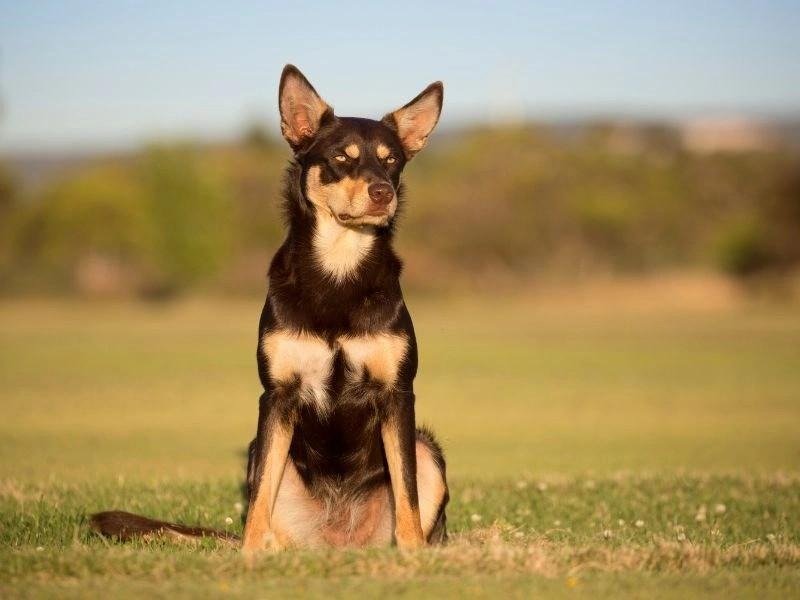
Image Source: Holistapet
Australian Kelpies work tirelessly in the big Australian landscapes with energy levels that other dog breeds can’t match. These active herding dogs just need meaningful ways to use their physical stamina and remarkable intelligence to become great companions.
Why Kelpies need high physical activity
Breeders developed Australian Kelpies as working dogs that could herd from sunrise to sunset in tough conditions. This history created dogs with exceptional endurance and endless energy. These energetic dogs just need 1.5 to 2 hours of vigorous activity daily. Working-line Kelpies often need more.
Their high exercise requirements come from both genes and practical needs:
These dogs have natural herding instincts that kick in and make them move. The dogs will find other ways to use these instincts if they can’t satisfy them naturally. Their bodies and minds are wired to work all day in the tough Australian outback.
Exercise plays a vital role in their health. Hip dysplasia shows up often in Kelpies, but the right exercise routines and weight control help prevent this condition. Kelpies become bored, frustrated, and anxious without enough physical activity. This leads to destructive behaviors that harm your home and your bond with the dog.
Best activities for Australian Kelpies
Australian Kelpies thrive on exercise that challenges both body and mind. We focused on activities that work both:
- Herding-based games: Activities that mirror herding behaviors satisfy their natural instincts. Herding-style fetch tests both obedience and intelligence. This gives them physical exercise and mental stimulation.
- Running and jogging: Kelpies are great running partners thanks to their amazing stamina. They keep pace over long distances, which makes them perfect for active owners.
- Agility training: These dogs love navigating obstacles, jumping, and weaving through poles. A backyard obstacle course offers physical challenges and keeps their minds busy.
- Interactive play: Games like tug-of-war tap into their natural drive while giving them exercise. Ball launchers help with fetch by increasing distance and intensity.
- Hiking and outdoor exploration: Walks in different terrains stimulate their minds with new sights, sounds, and smells. Uphill walks tire out energetic Kelpies faster.
Mental stimulation matters as much as physical activity. Puzzle toys, scent work, and obedience training are great ways to exercise their minds. Mental challenges often tire Kelpies more than physical exercise alone.
Signs of under-stimulation
You should spot when your Kelpie isn’t getting enough stimulation to prevent behavior problems. These signs show up in under-stimulated Australian Kelpies:
Restlessness and pacing are the first signs—dogs can’t settle down. This restlessness often leads to destroying furniture or shoes. Many Kelpies bark too much when they feel frustrated.
Digging becomes another way to release extra energy. Kelpies might start obsessive behaviors like chasing their tails without proper stimulation. Some dogs even sleep poorly and stay restless at night.
On top of that, under-stimulated Kelpies get irritable or angry in situations where they usually stay calm. Some lose interest in play or seem unusually detached.
Kelpie owners should know these behaviors come from unmet needs rather than bad behavior. The answer isn’t punishment but giving them the right physical and mental challenges that match their working dog nature.
Training and Intelligence
The Australian Kelpie’s remarkable brainpower makes them stand out in the dog world. These dogs know how to solve problems naturally and love to please their owners. They need proper guidance to use their intelligence in the right way.
How smart is the Australian Kelpie?
Australian Kelpies are as smart as the prominent Border Collie. They rank among the world’s most intelligent dog breeds. These dogs demonstrate their intelligence in several impressive ways:
- Advanced problem-solving capabilities
- Exceptional adaptability to new situations
- Remarkable memory for commands and routines
- Natural decision-making skills
These working dogs show extraordinary comprehension skills. They understand complex instructions and use them in different situations. Kelpies show what trainers call “working intelligence” – they learn fast and complete tasks with minimal practice.
Their intelligence comes from careful breeding for herding across Australia’s big landscapes. These dogs needed more than just physical strength. They had to think and make decisions while managing livestock far from their handlers.
In spite of that, their sharp minds create special needs. Kelpies get bored without enough mental exercise. They might create their own “jobs” and start moving things around the house or destroy items.
Training tips for first-time owners
New owners should understand their Kelpie’s unique needs for successful training:
- Focus on positive reinforcement: Kelpies respond well to rewards-based training. Treats, praise, and play work better than harsh corrections.
- Keep sessions short and engaging: Smart dogs don’t like doing the same thing repeatedly. Quick games and different activities keep them interested. The best sessions last 10-15 minutes.
- Provide mental challenges: Puzzle toys, interactive games, and obedience training meet their need for brain work. These activities often tire Kelpies more than physical exercise.
- Establish clear boundaries: Clear commands, timing, and rewards build good behaviors and prevent confusion. Everyone in the family should use similar commands and follow the same rules.
- Begin socialization early: Young puppies should meet different people, places, and animals. This helps them become well-adjusted adults who accept friendly strangers.
Activities that tap into their herding instincts are vital. Agility, obedience competitions, or structured games give them both mental and physical exercise.
Common behavioral challenges
Australian Kelpies love to learn, but they can present some training challenges:
Their herding instinct shows up when they try to herd children, other pets, or adults by nipping at heels or circling. Games like fetch give them a better way to use this natural behavior.
Kelpies might bark too much when they’re bored, anxious, or spot something unusual. Teaching them to be “quiet” and giving them brain games helps control this habit.
These dogs love to dig, which can ruin yards or gardens. A sandbox or special digging area gives them a safe place for this natural behavior.
Kelpies form strong bonds with their families and might develop separation anxiety. Positive training helps them get used to being alone gradually.
Their high energy and strong work drive sometimes leads to stubborn behavior or loss of focus. Owners need to be flexible in their training approach while keeping clear rules and consistent guidance.
Health and Lifespan
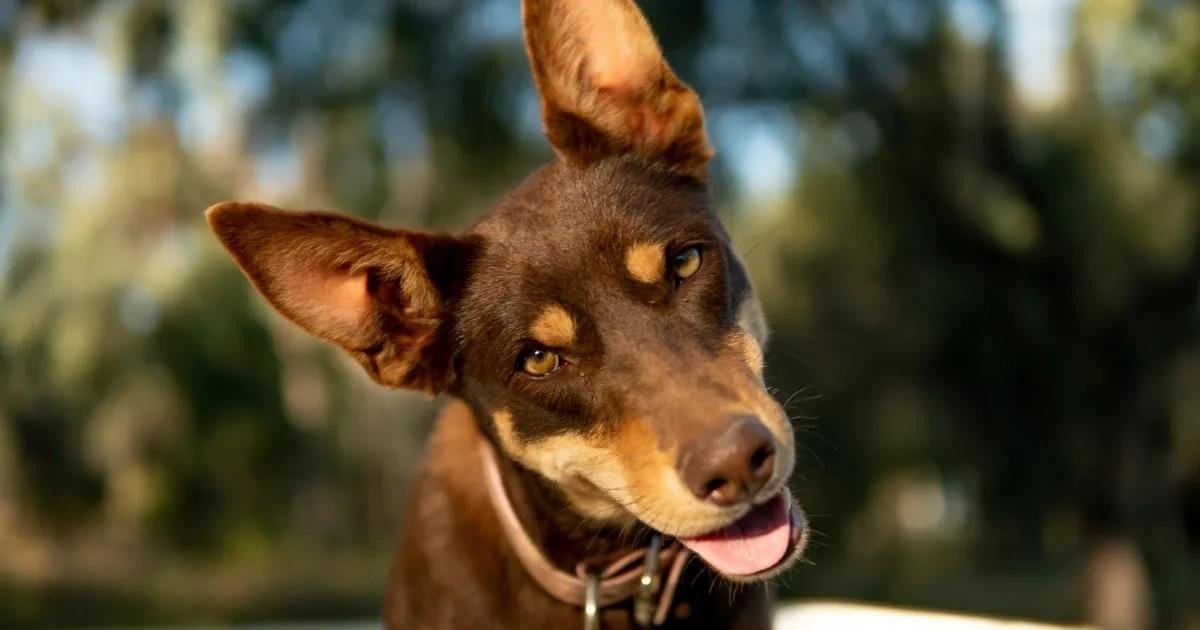
Image Source: DogTime
Australian Kelpies are known for their hardiness and strong work ethic. These versatile dogs live long, active lives. Good healthcare plays a vital role in their quality of life and longevity.
Average lifespan of an Australian Kelpie
Australian Kelpies live longer than many medium-sized breeds. These dogs usually live between 12 to 15 years. With good care, some Kelpies reach 16 years of age[313]. A newer study, published in 2024 by UK researchers showed their average life expectancy was 12 years, based on 49 deaths.
Their long lifespan comes from strong genetics and practical breeding that focused on creating tough working dogs. Good preventive care, nutrition, and regular exercise help many Australian Kelpies stay active and healthy in their senior years.
Common health issues
Australian Kelpies are generally healthy dogs, but like all purebreds, they can develop certain genetic health conditions. Here are some conditions that need attention:
- Hip and elbow dysplasia – These skeletal conditions make ball and socket joints rub together incorrectly. This can lead to arthritis and mobility problems. Dogs show signs like stiffness, trouble getting up, and avoiding exercise.
- Cerebellar abiotrophy (CA) – This brain condition affects the cerebellum, which controls movement and coordination. Dogs with CA often wobble when they walk and have balance issues. The condition appears in two forms – one affects puppies, the other affects adult dogs.
- Progressive Retinal Atrophy (PRA) – This inherited eye disease slowly damages the retina and can cause blindness[321]. Dogs first struggle to see at night before losing more vision over time.
- Luxating patella – The kneecap slips out of position, which causes lameness or skipping steps[321]. Cases range from mild (grade 1) to severe (grade 4). Severe cases need surgery.
- Cryptorchidism – One or both testicles don’t descend properly. Treatment costs range from ₹16,876 to ₹42,190.
Preventive care and vet checkups
Good healthcare helps Australian Kelpies live longer, better lives. Your dog needs vet checkups every six months throughout its life[313]. Regular visits help catch problems early.
Weight control is essential for this breed. A lean body helps prevent arthritis and reduces stress on joints that might develop dysplasia. Vets often suggest light exercise and supplements with omega-3 fatty acids, glucosamine, and chondroitin for dogs that have joint problems.
Finding a good breeder who does health screenings is your first step in preventive care. Ask for papers showing both parents have hip and patella clearances from organizations like the Orthopedic Foundation for Animals[322].
Your Kelpie needs a detailed healthcare plan that includes vaccines, parasite prevention, dental care, and good nutrition. This comprehensive approach helps your Kelpie stay happy and healthy for years.
Grooming and Maintenance

Image Source: Animal Jankari
Australian Kelpies need very little maintenance because of their practical, weather-resistant double coat that adapted to tough working conditions. Their simple grooming routine makes them perfect for owners who want a dog that’s easy to care for.
Shedding and brushing needs
Australian Kelpies shed at a moderate rate all year, with heavy “blowing coat” periods in spring and fall. Weekly brushing removes dead hair and spreads natural oils around. A 2024 survey in Canine Science Quarterly shows that dogs getting regular grooming every two weeks shed 37% less at home compared to dogs with random brushing schedules.
A slicker brush or pin brush works best for regular care. The brushing should happen 2-3 times a week during seasonal shedding. The right brushing method gets better results – brushing from neck to tail in small sections removes up to 92% of loose undercoat.
Bathing and hygiene
The Kelpie’s coat naturally keeps dirt and water away, so they only need baths when they get dirty – usually every 6-8 weeks. Too much bathing removes important oils from their weatherproof coat. Here’s how to bathe them:
- Mix shampoo 1:5 with lukewarm water
- Massage well (since the Kelpie’s oils resist water at first)
- Rinse until the water runs clear
- Dry with microfiber towel and cool air
Nail, ear, and dental care
Nail trimming should happen every 2-3 weeks. Clicking sounds on hard floors mean it’s time to trim. Research shows that long nails can make herding 12% less efficient.
The ears need weekly checks for dirt, wax, or infection signs. Clean them with vet-approved solutions on a cotton pad, but never put anything deep in the ear canal. Kelpies that work in dusty places show 18% higher yeast levels without cleaning their ears twice a week.
Good dental care stops future health problems. Teeth brushing should happen at least twice weekly with special dog toothpaste. Many owners brush their dog’s teeth daily because it’s the best way to prevent dental issues.
Price and Adoption in India
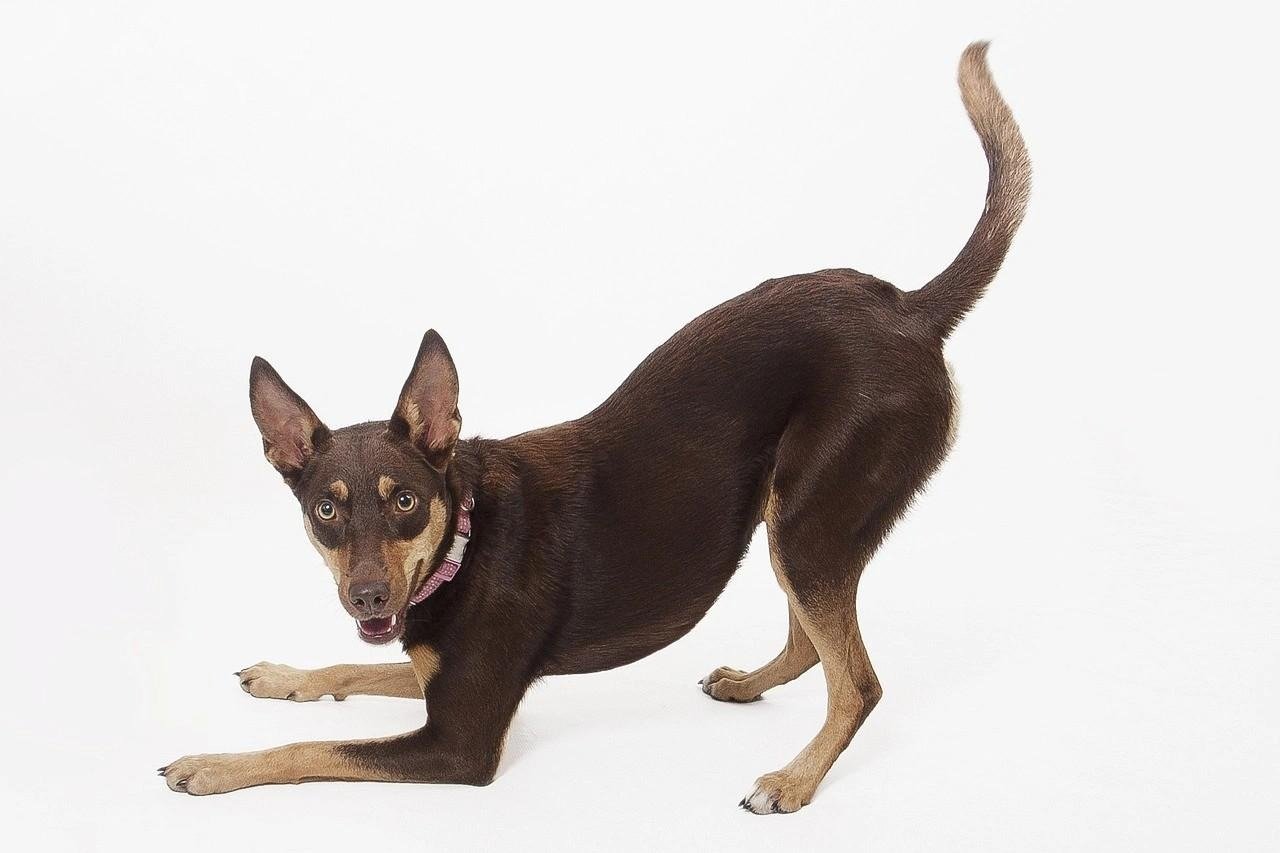
Image Source: iHeartDogs.com
Australian Kelpies are intelligent herding dogs that aren’t easy to find in India. You’ll need time and proper research to find one since they’re not as common as other dog breeds. The right approach involves understanding their value, price factors, and reliable sources.
Australian Kelpie dog price in India
A new Australian Kelpie puppy in India costs between ₹20,000 to ₹40,000. This makes them a mid-range option among purebred dogs in India’s pet market. Platforms like Mr n Mrs Pet help connect buyers with KCI-registered breeders who sell health-certified Kelpie puppies. The global market tells an interesting story – some exceptional working Kelpies have sold for up to 35,200 Australian Dollars (about ₹19,89,152) because of their remarkable working abilities.
Factors affecting cost
The price of an Australian Kelpie in India depends on several factors:
- Pedigree and lineage: Dogs from well-known bloodlines cost more
- Color and coat quality: Special coat patterns and colors can bump up the price
- Age and health status: Puppies are pricier than adult dogs, and health certificates add to the cost
- Breeder reputation: Well-known breeders with good track records charge premium rates
- Location: Prices tend to be higher in cities where demand is strong
Where to buy or adopt an Australian Kelpie
Mr n Mrs Pet makes it easy to connect with verified Kelpie breeders across India. Asia Pets is another option that provides registered puppies with microchips and ships them anywhere in India at no extra cost.
Adoption is a great alternative that deserves consideration. Rescue centers sometimes have Kelpies or Kelpie-mix dogs. The Rishikesh Animal Care Shelter has previously helped “Indie Kelpies” (Kelpie mixes) find new homes. These dogs are vaccinated and dewormed, ready to become part of a loving family.
Conclusion
Australian Kelpies are amazing working dogs that have adapted perfectly to their environment. Their mix of smarts, loyalty, and endless energy makes them great partners for active owners. These dogs just need dedicated owners who understand they must stay physically and mentally active. Even the best-behaved Kelpie will find creative ways to burn energy if they don’t get enough stimulation – and those ways aren’t always what you’d want.
Anyone thinking about getting a Kelpie should take a good look at their lifestyle first. These dogs do best with families who love outdoor activities, have plenty of running space, and can spend time on training. The sort of thing I love about Kelpies is how smart they are, but that means you’ll need to keep their minds busy with training, puzzle toys, and different activities.
While they come from a working background, Kelpies fit right into family life with proper socialization. These dogs’ loving nature and protective instincts make them faithful companions, especially if you have an active family. But their herding instincts might need some redirecting, particularly around little kids.
Kelpies’ health is usually strong, and they live impressively long lives – often up to 15 years with good care. Regular vet visits, proper food, and keeping them at the right weight boost their quality of life by a lot. Though they’re typically healthy, knowing about possible problems like hip dysplasia and cerebellar abiotrophy helps owners take better care of them.
Indian dog lovers looking for a smart, versatile companion will find Kelpies are a great choice. They’re available at reasonable prices compared to many purebreds. On top of that, they’re easy to groom and adapt well to different living situations, which makes them even more appealing to dedicated owners.
Kelpies reward their committed owners with steadfast dedication and partnership. These incredible dogs strike the perfect balance between working ability and companionship. If you’re ready to meet their needs, you’ll discover a unique mix of intelligence, athleticism, and devotion that you won’t find in many other breeds.
Key Takeaways
Understanding the Australian Kelpie means recognizing a breed that combines exceptional intelligence with demanding physical and mental needs, making them ideal for active owners seeking a devoted working companion.
• Australian Kelpies require 1.5-2 hours of vigorous daily exercise plus mental stimulation to prevent destructive behaviors from boredom.
• These highly intelligent herding dogs excel at problem-solving but need consistent training and “jobs” to channel their working instincts constructively.
• With proper socialization, Kelpies make excellent family pets, living 12-15 years with minimal grooming needs and moderate shedding.
• In India, expect to pay ₹20,000-40,000 for a Kelpie puppy, with prices varying based on pedigree, health certification, and breeder reputation.
• Their herding instincts may cause heel-nipping with children and pets, requiring early redirection through positive training methods.
The Australian Kelpie rewards dedicated owners with unmatched loyalty and partnership, but only thrives with families committed to meeting their substantial exercise, training, and mental stimulation requirements.
FAQs
Q1. What is the typical lifespan of an Australian Kelpie?
Australian Kelpies generally live between 10 to 15 years. With proper care and nutrition, many can enjoy healthy and active lives well into their senior years.
Q2. How would you describe the temperament of Australian Kelpies?
Australian Kelpies are known for their intelligence, loyalty, and energetic nature. They have a cheeky personality with a good sense of humor, are highly alert, and form strong bonds with their families.
Q3. What is the average cost of an Australian Kelpie puppy in India?
The price of an Australian Kelpie puppy in India typically ranges from ₹20,000 to ₹40,000, depending on factors like pedigree, breeder reputation, and location.
Q4. Are Australian Kelpies high-maintenance dogs?
While Australian Kelpies have low grooming needs, they require significant daily exercise and mental stimulation. Their high energy and intelligence demand consistent physical activity and engaging tasks to prevent boredom and destructive behaviors.
Q5. What are the exercise requirements for an Australian Kelpie?
Australian Kelpies need at least 1.5 to 2 hours of vigorous exercise daily. This should include activities that challenge them both physically and mentally, such as running, agility training, or herding-based games.