
Andalusian Terrier Breed Information: Characteristics, Behavior, Temperament, Lifespan, Weight
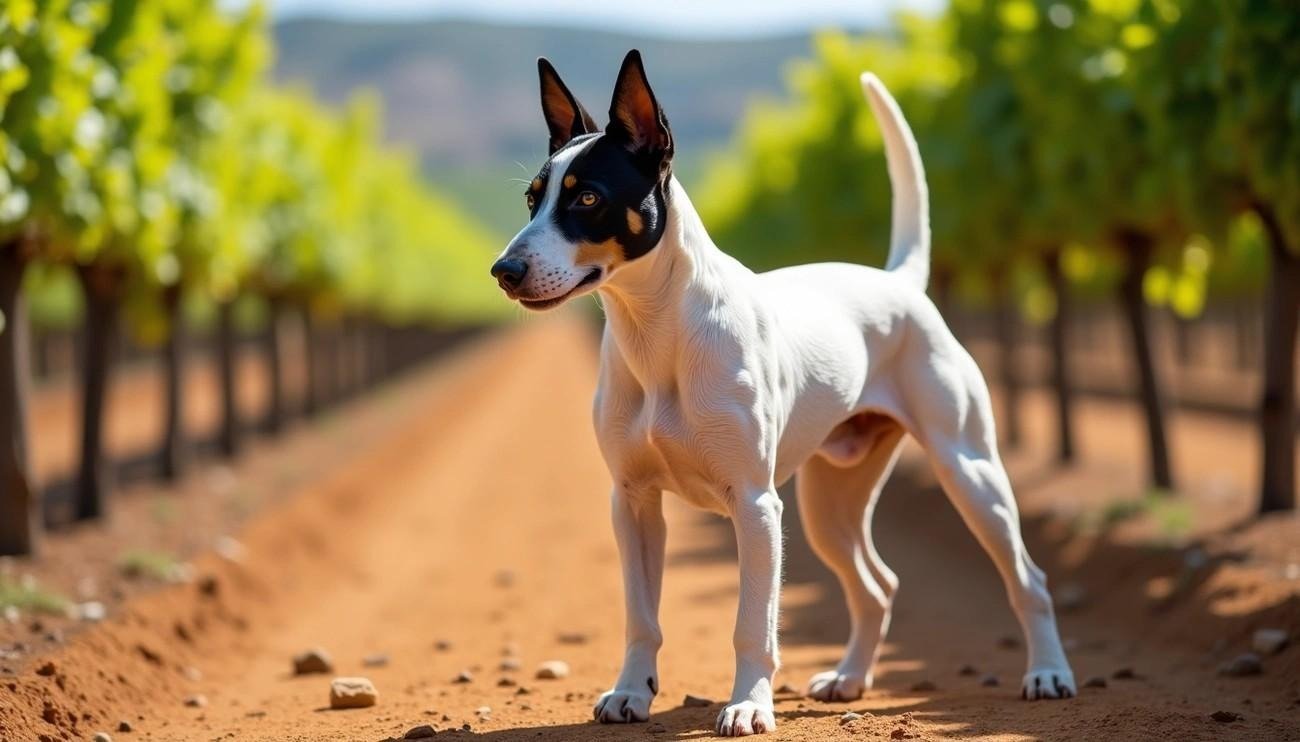
The sort of thing I love about the Andalusian Terrier is its official recognition by the Royal Canine Society of Spain in 2000. This medium-sized breed lives an impressive 15-18 years. Spanish locals call these dogs “Bodegueros”, and their cultural impact earned them the status of ‘Patrimonio Cultural Inmaterial’ (intangible cultural heritage) from Jerez de la Frontera’s city council in 2020.
The breed’s height ranges between 14-17 inches (35-43 cm) at the withers. Males weigh 10-12 kg while females are lighter at 8-10 kg. A typical Andalusian Terrier litter consists of 5 to 7 puppies. The breed’s health record stands out because unlike many purebreds, it shows no known genetic conditions. This makes these dogs particularly attractive to people worried about inherited health problems. This piece covers everything about the Andalusian Terrier’s distinctive traits, behavior, temperament, and care needs to help you decide if this unique breed belongs in your family.
Breed Origin and History
The sort of thing I love about the Andalusian Terrier starts in southern Spain’s beautiful landscape, where need and chance came together to create this adaptable breed. Spanish locals called it Ratonero Bodeguero Andaluz, and this lively terrier’s rich history ties deeply to Spain’s wine industry.
How the breed developed in Andalusia
The Andalusian Terrier’s story links closely to Spain’s famous sherry-making regions, especially around Jerez de la Frontera. Breeders shaped these dogs to hunt rodents that swarmed commercial ports, wine cellars, warehouses, stables, and tanneries. Their name tells their story: “Ratonero” means rat hunting, “Bodeguero” points to wine cellars, and “Andaluz” shows where they came from.
Their job shaped both their skills and looks. Breeders picked the white coat with black and tan patches so workers could spot these dogs easily in dark wine cellars. This unique coloring helped winery staff keep track of their four-legged helpers as they worked between sherry barrels.
These terriers became precious to Andalusian wineries because they kept mice, rats, and other pests away. They soon became crucial to southern Spain’s wine-making business.
British terrier influence and local adaptation
The breed’s tale takes an interesting turn in the 18th and 19th centuries. British wine merchants who settled in Marco de Jerez brought Fox Terrier ancestors with them. These English terriers bred with local Spanish dogs and created a new breed that excelled at controlling pests.
British wine companies played a big role in trade between the UK and Jerez during the 19th century. Native breeds from local villages mixed with the original British terriers, creating dogs that showed the best of both bloodlines.
Early 1900s saw the Toy Terrier adding its traits to the breed, which refined it further. The Andalusian Terrier managed to keep its pure status despite these influences, and breeders developed a consistent look.
Breeders didn’t mix dogs randomly – they had a plan. They wanted dogs with strong hunting instincts that could handle local conditions. This careful breeding created medium-sized terriers with excellent ratting skills and friendly personalities suited to working with winery staff.
Recognition by Spanish Kennel Club and FCI
The breed’s official recognition came recently. The Club Nacional del Perro Andaluz Ratonero Bodeguero started in 1993 and wrote the first breed standard. This marked a key step toward official status.
The Spanish Ministry of Agriculture recognized it as a native Spanish breed in 2000. That same year brought recognition from the Spanish Kennel Club (Real Sociedad Canina de España).
International recognition took more time. Some registries and kennel clubs like the Nordic Kennel Union accepted the breed early, but FCI recognition stayed out of reach for years.
In September 2024, the FCI finally welcomed the Andalusian Terrier. They placed it in Group 3 (Terriers), among Large and medium-sized Terriers. This recognition stands as a milestone for this historically vital Spanish breed.
You’ll find great examples of these dogs not just around Jerez’s sherry region but throughout Andalusia and Spain. They’ve secured their place in Spain’s dog heritage.
Physical Characteristics and Appearance
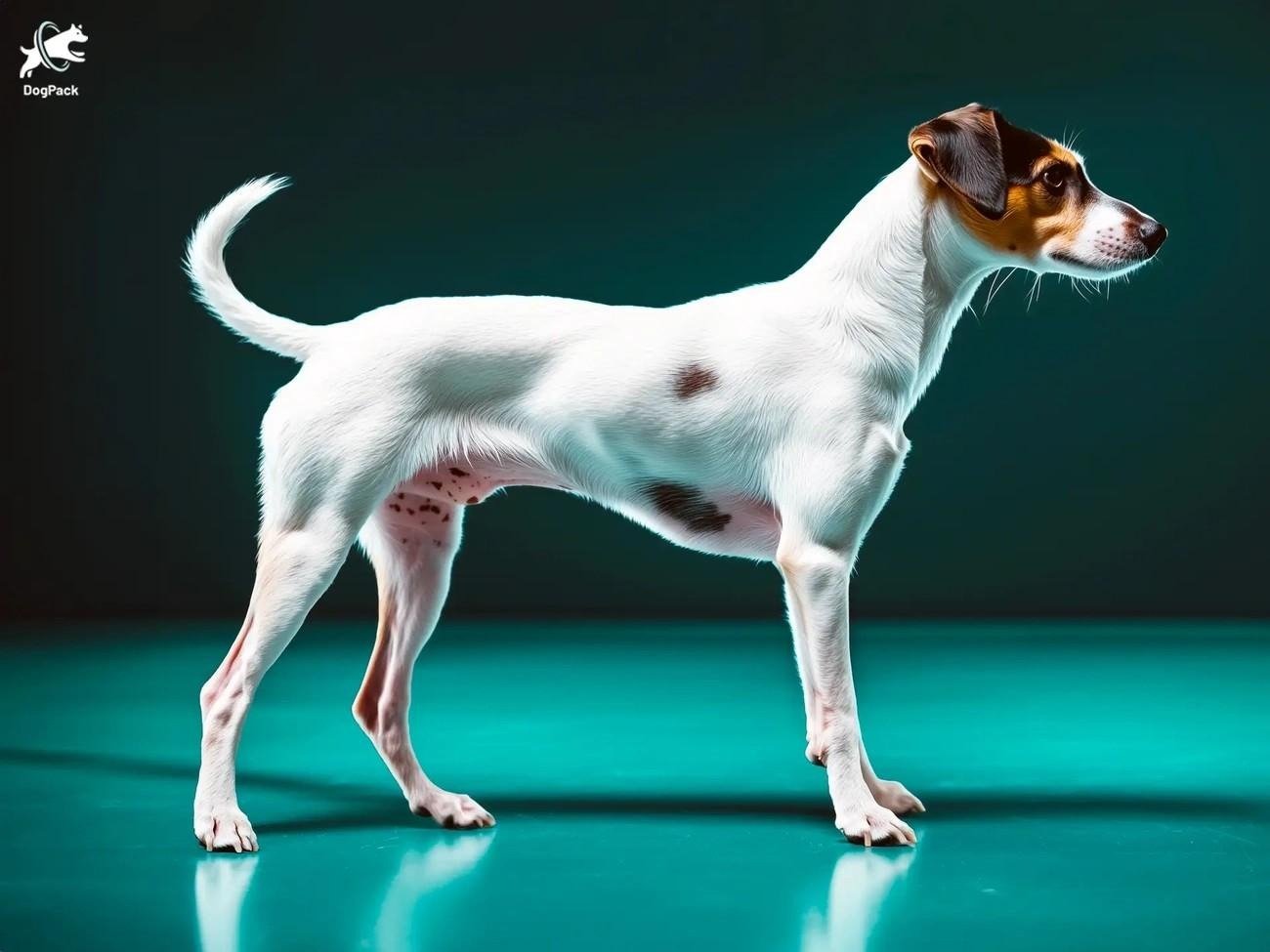
Image Source: DogPack App
The Andalusian Terrier catches everyone’s eye with its athletic build and tri-colored markings. This medium-sized breed shows off its working heritage through physical traits that make it perfect for the agility and speed needed in its traditional ratting duties.
Size and weight standards
You’ll find the Andalusian Terrier right in the medium-sized dog category. Males stand between 37-43 cm [link_1] (14-17 inches) at the withers, with 40 cm being the sweet spot. Females run a bit smaller at 35-41 cm (13-17 inches), and 38 cm hits the ideal mark. Some breed standards give a little wiggle room – up to two extra centimeters in height works fine as long as the dog’s proportions stay balanced.
These terriers typically weigh in at:
- Males: 12-22 pounds (5-10 kg)
- Females: 10-20 pounds (4-8 kg)
Their lean, muscular build shows off pure athleticism and readiness for action. The dog’s well-proportioned body has a deep chest and strong legs that let it move quickly. These features came in handy for their original job – hunting vermin in Spanish wine cellars.
Coat type and color patterns
The breed sports a short, dense coat that needs very little grooming. Dirt and dust slide right off this practical coat. The fur length stays pretty much the same all over the body.
The breed’s color pattern stands out with:
- A pure white base coat that covers most of the body
- Black markings mostly on the head and neck
- Tan points that show up on the face, cheeks, and above the eyes
This white, black, and tan combo sets the standard for the breed. The mostly white coat helped these dogs stand out in dark wine cellars where they chased rats.
Facial features and tail types
The breed’s head has a triangular shape with a semi-flat skull. Look for these facial features:
- Small, dark eyes set slightly at an angle that show smarts and alertness
- A long muzzle with black nose and coloring
- Ears that sit high and fold forward when alert or back when the dog feels relaxed
The tail tells its own story. Back in their homeland, people usually docked tails to about quarter-length. Some puppies come into the world with natural bobtails or different tail lengths.
Comparison with Jack Russell and Rat Terrier
People often say the Andalusian Terrier looks like a bigger Jack Russell with longer legs. The Spanish even call it their “Spanish Jack Russell” sometimes.
Stack it up against a Jack Russell:
- They weigh about the same (Andalusian: 6-9 kg; Jack Russell: 6-8 kg)
- The Andalusian stands taller (35-43 cm vs. 25-38 cm for Jack Russells)
Next to a Rat Terrier:
- The Andalusian might grow 7 cm taller
- Both breeds match up in weight and need similar care
These three breeds share that classic terrier look – compact, full of energy, and always on alert. The Andalusian’s bigger size and special three-color coat make it stand out from its terrier cousins.
Temperament and Personality Traits
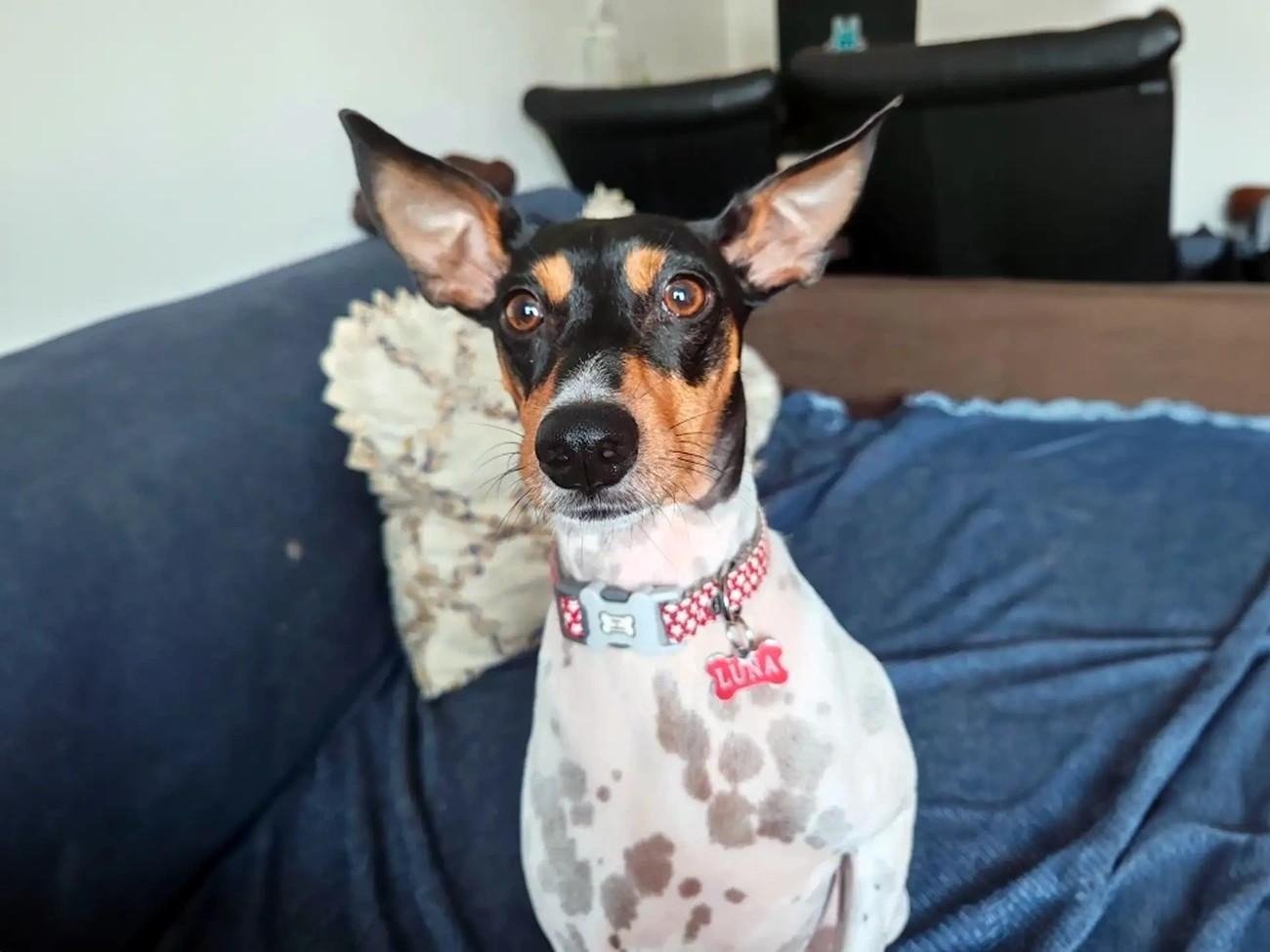
Image Source: DogPack App
The Andalusian Terrier’s personality sparkles just as much as their hunting skills. These small but mighty dogs blend a working dog’s determination with the warmth of a family pet.
Typical Andalusian Terrier temperament
These dogs are vivacious and spirited by nature and tackle life with amazing energy. Here’s what makes them special:
- Lively and intelligent – Quick, bouncy, and often funny at home
- Brave and tenacious – Classic terrier qualities that make them great working dogs
- Loyal and affectionate – They build deep connections with their families
- Adaptable – They fit well into different living spaces
These terriers pack confidence that matches their size. They need a self-assured, experienced owner who can take charge. Their smarts make them easy to train, but they keep that signature terrier independence.
People often talk about their “zest for life”. This joy shows up in their playful tricks and curious nature. Their sharp minds lead them into fun situations that keep their families laughing.
Behavior with children and families
These terriers do best in families that give them lots of attention. They play gently with kids and love outdoor activities. The breed has a reputation for being sweet with people and shows deep loyalty to their families.
The breed club specifically points out that Andalusian Terriers get along great with kids. Their playful spirit makes them perfect buddies for active children who can keep up with their energy.
Parents should watch them around very young kids since their excitement can make them bouncy. These dogs love both indoor family time and outdoor play, which creates a nice balance for family life.
Prey drive and alertness
Coming from ratting dogs, these terriers have kept their strong hunting instincts. They mean business during work and show off great hunting skills with keen senses and amazing agility.
Pet owners should know these dogs can’t tell the difference between pests and pet hamsters, rabbits or cats. Their strong hunting drive comes from years of catching mice and rats. This instinct runs deep in their blood.
Their sharp senses make them excellent watchdogs. They stay alert and let their owners know about anything strange. This dual role as companion and guardian adds to their value.
Socialization needs
Starting socialization early is key for Andalusian Terriers. Without it, their independent nature and hunting instincts might cause problems.
Well-socialized puppies grow up to play nicely with other dogs, especially similar-sized ones. They usually enjoy having dog friends if introduced the right way.
These dogs respond best to positive reinforcement. Treats and praise work wonders during training. New dog owners should set aside regular training time to establish leadership.
Mental exercise matters just as much as physical activity for an Andalusian Terrier. Bored dogs might start destroying things. Owners who mix training, play, and socializing end up with amazing companions full of character.
Lifespan and Health Overview
Health and expected lifespan should be at the top of your list while choosing a canine companion. The Andalusian Terrier proves to be an exceptionally hardy breed that lives longer than most dogs.
Average lifespan of the breed
Andalusian Terriers live nowhere near as short as other dog breeds. Research shows these dogs typically live between 15-18 years. Their extended lifespan makes them perfect companions for families who want a dog to share many years with them.
These dogs stay energetic and alert throughout their lives. We credited this remarkable longevity to their diverse genetic background and breeding practices that focused on creating healthy working dogs instead of just looks.
Common health issues
These terriers are tough, but owners should watch for certain health concerns:
- Patellar luxation: Active dogs might develop knee problems where the kneecap dislocates
- Eye problems: Age-related conditions like cataracts or lens luxation can develop
- Temperature sensitivity: Their short coat leaves them vulnerable to extreme temperatures, especially cold weather
- Weight management: These food-loving terriers might overeat if you let them
Regular ear infection checks become vital among other routine health screenings, since dogs with upright or partially upright ears often face this issue.
Genetic predispositions
The Andalusian Terrier’s mixed lineage proves beneficial. Unlike purebreds that often inherit specific diseases, these dogs show no documented breed-specific genetic diseases. Their diverse background protects them from many hereditary health problems.
Male puppies sometimes show cryptorchidism (undescended testicle). This condition needs monitoring but doesn’t threaten their life.
Limited breed-specific data leads vets to recommend screening for conditions common in similar-sized terrier breeds. Tests include hyperuricosuria, degenerative myelopathy, and progressive rod-cone degeneration. These precautions help maintain your terrier’s health throughout its life.
Preventive care and vet checkups
Regular care substantially extends your Andalusian Terrier’s healthy life. Twice-yearly vet checkups give you a full picture of your dog’s health. Vets can spot potential problems before they become serious.
Your preventive care checklist should include:
- Regular vaccinations: Core vaccines like rabies, distemper, parvovirus, and canine adenovirus-2
- Parasite control: Protection against heartworms, fleas, ticks, and intestinal parasites year-round
- Dental care: Regular checks and treatments affect overall health
- Weight management: Proper diet and exercise maintain healthy body condition
Early detection matters most for Andalusian Terrier owners. Regular blood tests show internal issues before symptoms appear. Annual heartworm testing and parasite screening protect against common threats.
These preventive measures help your Andalusian Terrier stay active and healthy into its senior years. You’ll enjoy many more adventures with your spirited companion.
Grooming and Maintenance Needs
Andalusian Terriers make great pets because they’re so easy to groom. These working dogs were bred to be practical rather than showy, which means their grooming needs won’t overwhelm you even if you’re new to dog ownership.
Brushing and coat care
Your Andalusian Terrier’s grooming needs will depend on their coat type. The smooth-coated varieties just need a quick brush once a week with a soft-bristle brush or grooming mitt to get rid of loose hair and keep their coat healthy. This simple routine helps spread natural oils through their coat and keeps it looking great.
Wire-haired and long-haired Andalusians need more attention – you’ll want to brush them every few days to stop their coat from getting matted and tangled. All but one of these dogs need their nails trimmed every 2-4 weeks.
These dogs only need baths when they get dirty[242]. You shouldn’t bathe them too much because it can strip away their skin’s natural oils and cause dryness and irritation. Their short coat naturally repels dirt and dust, so they stay clean on their own.
Ear and tail hygiene
Your Andalusian Terrier’s ears need special care. They tend to collect dirt, so clean them often. Here’s how to do it right:
- Lift the ear flap and look for redness, bad smells, or too much wax
- Use a vet-approved ear cleaner, but don’t push the nozzle in too far
- Massage the ear base for about 30 seconds to break up wax
- Let your dog shake their head to get rid of loose debris
- Clean the ear flap and canal entrance with cotton balls or gauze – never use cotton swabs[252]
If your Andalusian hunts rats, check their ears and tail daily for scratches and bites. This helps catch any injuries early and prevents infections.
Managing shedding
Andalusian Terriers shed a moderate amount all year. You can manage the loose fur by brushing them once or twice a week with a slicker brush or grooming glove.
During seasonal shedding, brush them more often to control the extra fur. Different coats need different tools:
- Short coats: Use a rubber mitt or bristle brush
- Wire coats: Brush weekly in the coat’s growth direction
Adding fish oil to your dog’s food can help reduce shedding and make their coat shinier and softer.
Diet tips for coat health
Good nutrition gives your Andalusian Terrier a healthy, shiny coat. Omega-3 and omega-6 fatty acids are vital – they reduce inflammation and keep the coat healthy.
Most good dog foods have enough omega-6 fatty acids. To boost coat health, you might add:
- Fish oil with EPA and DHA to improve coat condition
- Flaxseed oil as another omega-3 source
- Sunflower or safflower oil for extra omega-6
Diets rich in real meat like chicken, beef, and fish work best for skin and coat health. Brown rice and oatmeal provide B vitamins that help grow smooth skin and fur.
Note that too many supplements can upset your dog’s stomach. A balanced diet and regular grooming will keep your Andalusian Terrier’s coat looking great throughout their life.
Training and Exercise Requirements
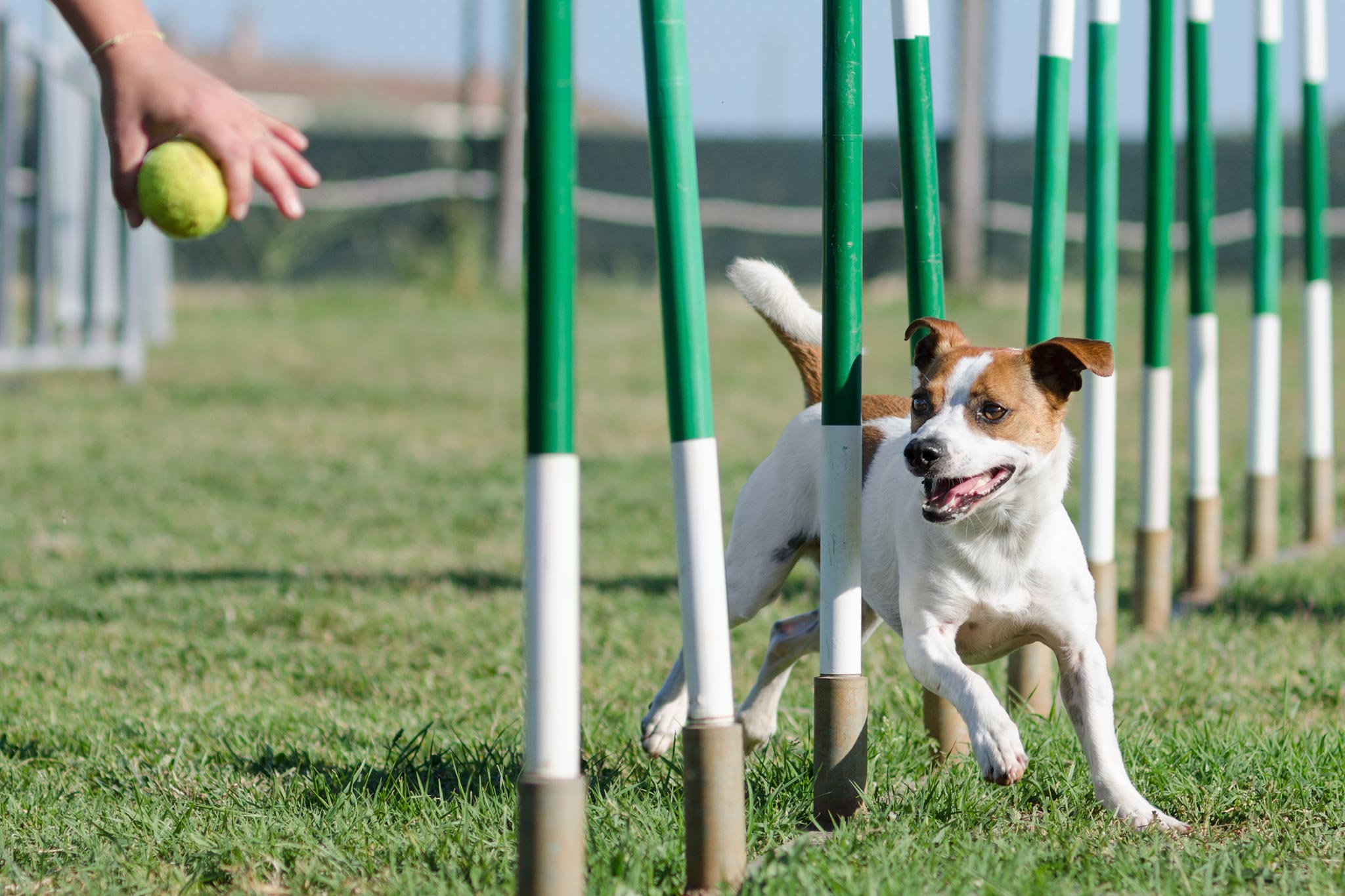
Image Source: Caring Hearts Animal Hospital
Training an Andalusian Terrier needs patience, consistency, and a good understanding of their smart yet sometimes stubborn nature. These lively dogs do best with a mix of physical activity and mental challenges.
How to train Andalusian Terrier puppies
Training should start when puppies turn eight weeks old, with positive reinforcement and gentle commands. Your first focus should be simple obedience training, which comes naturally due to these small dogs’ bright personality. Andalusian Terriers have sharp minds and guardian instincts that make them quick learners when you tap into their alert nature.
Your puppy needs to understand the reason behind corrections to learn better, even during crate training. Short 5-10 minute training sessions work best since puppies don’t focus long. These dogs adapt quickly to new situations, and training flows smoothly once you show confident leadership.
Mental stimulation and obedience
Mental exercises can wear out Andalusian Terriers more than physical activity. Smart dogs like these might start chewing furniture or bark too much if they don’t get enough brain work.
Good ways to keep their minds busy include:
- Puzzle toys with healthy treats inside
- Daily practice of new commands
- Games that test their problem-solving skills
Most dogs need 20 minutes of brain work daily, but Andalusian Terriers might need extra time because of their active minds. Regular training sets clear limits and builds a stronger connection with your pet.
Daily walk and play needs
These terriers’ working dog heritage means they need lots of exercise—about 60-90 minutes each day. A quick walk won’t do the job; they need longer outings in parks or on beaches. They also love running free in secure areas without a leash.
The right amount of exercise stops them from getting too hyper or destructive. Try activities that tap into their hunting instincts, like chasing dog-safe laser lights for 30-60 minutes. Mix training into their exercise to keep them focused and under control.
Avoiding small dog syndrome
Andalusian Terriers sometimes develop “small dog syndrome”—they try to make up for their size through loud barking and showing aggression toward bigger dogs. This happens because owners often don’t train them as strictly as larger breeds.
Here’s how to stop this:
- Don’t carry your dog everywhere—it makes them feel too important
- Set clear rules and stick to them
- Train them like you would a big dog
- Let them handle situations on their own instead of always stepping in
Most “small dog syndrome” behaviors come from fear. Your Andalusian Terrier will grow up confident and well-balanced if you give them proper training, socialization, and enrichment, no matter their small size.
Andalusian Terrier Price and Buying Guide
Anyone looking to welcome an Andalusian Terrier into their home should know the financial commitment this decision brings.
Andalusian Terrier price in India and globally
The price tag on an Andalusian Terrier changes quite a bit based on where you live. Indian buyers can expect to shell out INR 10,125 to INR 12,657 from quality breeders. The prices can shoot up to INR 67,504 or even INR 126,570, since these dogs are hard to find outside Spain.
European markets see puppies with proper papers going for 300-400 euros. Pet stores and private sellers might list them at 200-300 euros. The breed’s growing international recognition means solid price data isn’t easy to come by.
Factors affecting cost
Your Andalusian Terrier’s price depends on several things:
- Breeder reputation – The best breeders with solid track records charge more
- Lineage and pedigree – Dogs with proven bloodlines are a big deal as it means that they cost more
- Appearance – White dogs sporting black faces and brown features fetch higher prices
- Training level – Early training bumps up the price tag
- Geographic location – Bringing one home from Spain adds travel costs
Where to buy or adopt
Andalusian Terriers sit in the “average” availability bracket – you can find them but they’re nowhere near as common as other popular breeds. Shelters offer the most budget-friendly path to ownership.
Spanish breeders lead the pack in purebred sales since they work with the largest population of these dogs. Terrier rescue groups sometimes have Andalusian Terriers or mixed breeds ready for adoption.
Tips for finding a reputable breeder
A quality breeder should have solid credentials and kennel club backing. The sort of thing I love to recommend is visiting their facility to see how they raise their puppies in clean spaces.
Ask about parent health screenings and genetic issues in the bloodline. Good breeders are happy to share this information and provide proper documentation. The core team behind ethical breeding operations always puts their puppies’ wellbeing first.
Pros and Cons of Owning an Andalusian Terrier
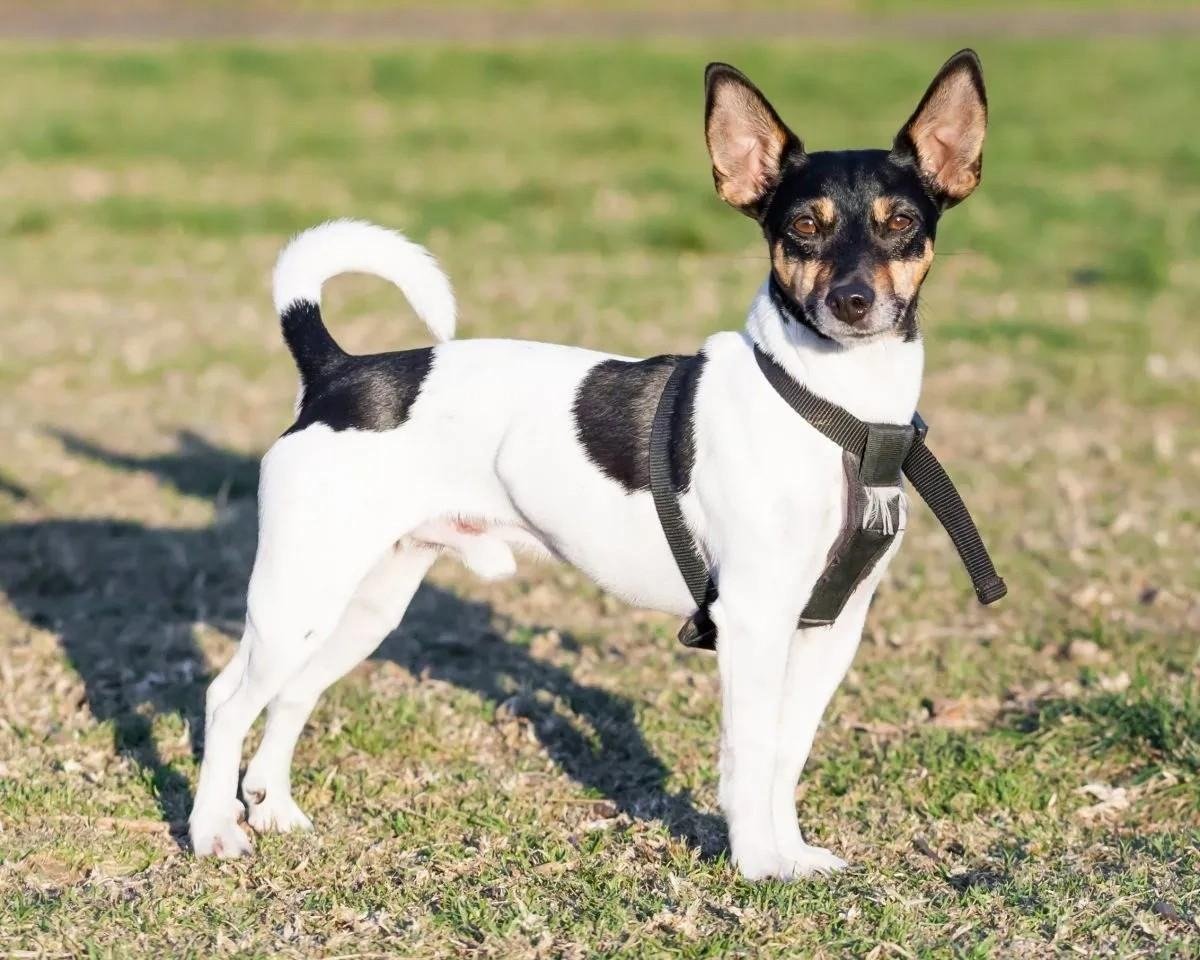
Image Source: DogTime
The Andalusian Terrier might be your perfect companion, but you need to weigh its strengths and potential challenges. These small yet powerful dogs have unique traits that deserve careful evaluation.
Advantages of the breed
These terriers possess exceptional intelligence, which makes them highly trainable with the right approach. They stand out as remarkably healthy dogs with few breed-specific health issues. Their adaptable nature suits them well to homes of all sizes.
Other notable advantages include:
- Minimal grooming requirements
- Excellent watchdog capabilities
- Strong compatibility with children
- Generally friendly with other dogs
- Good companions for senior citizens
Challenges to consider
Future owners should be aware of certain challenges. These terriers don’t work well for people with allergies. Their wanderlust tendencies mean they need secure fencing.
Additional considerations include:
- Difficulty handling separation from owners
- Poor compatibility with cats due to high prey drive
- Need for consistent mental and physical stimulation
- Potential for excessive barking if bored
Is it right for first-time owners?
Experts disagree about this breed’s suitability for novice owners. Some experts point to their easy-going personalities as a plus for first-time owners. Others suggest they need experienced handlers who know how to establish leadership.
Success with this breed depends on the owner’s dedication to training, socialization, and exercise. Active first-time owners who commit to training and set clear boundaries can create a wonderful partnership with an Andalusian Terrier.
Conclusion
Andalusian Terriers are remarkable dogs that blend historical significance with practical companionship. This piece explores these spirited dogs’ journey from humble ratting in Spanish wine cellars to their status as recognized purebreds with loyal followers. Their impressive 15-18 year lifespan and minimal genetic health issues make them an excellent choice for families who want long-term canine companions.
These dogs’ low-maintenance grooming needs benefit busy owners greatly. Their distinctive white coat with black and tan markings looks appealing and helps them stay visible in dim light. The breed excels with owners who give them both physical exercise and mental stimulation.
Andalusian Terriers may be new to the international scene, but dog enthusiasts appreciate their versatile nature. Their smart, loyal, and adaptable nature suits them to many living situations – from apartments to homes with yards. Notwithstanding that, future owners should think about their strong prey drive and energetic nature before bringing one home.
First-time dog owners can do well with this breed if they focus on consistent training, proper socialization, and regular exercise. These terriers reward their owner’s steadfast dedication with loyalty and spirited companionship. They shine as energetic playmates for children, alert watchdogs, or affectionate companions, bringing enthusiasm and charm to any lucky household.
These charismatic terriers balance historical working capabilities with modern companion traits perfectly. Their rising popularity beyond Spain’s borders seems well-deserved as they continue winning hearts with their unique looks, lively personalities, and remarkable adaptability.
Key Takeaways
The Andalusian Terrier is a remarkable Spanish breed that combines historical working dog heritage with modern companion qualities, offering unique advantages for the right owner.
• Exceptional longevity and health: These dogs live 15-18 years with minimal genetic health issues, making them excellent long-term companions with lower veterinary costs.
• Low-maintenance grooming needs: Weekly brushing and occasional baths are sufficient for their short, dirt-resistant coat, perfect for busy owners.
• High energy requires commitment: Daily exercise of 60-90 minutes plus mental stimulation prevents destructive behaviors and keeps these intelligent terriers happy.
• Strong prey drive affects pet compatibility: Their hunting instincts make them unsuitable for homes with small pets like cats, hamsters, or rabbits.
• Ideal family dogs with proper training: They’re excellent with children and make loyal companions when owners establish consistent leadership and boundaries early.
The Andalusian Terrier rewards dedicated owners with unwavering loyalty, spirited companionship, and remarkable versatility as both working dogs and family pets.
FAQs
Q1. How intelligent are Andalusian Terriers?
Andalusian Terriers are highly intelligent dogs. They are quick learners and respond well to positive reinforcement training methods. Their intelligence, combined with their eagerness to please, makes them relatively easy to train for experienced owners who can provide consistent leadership and mental stimulation.
Q2. What is the typical size of an Andalusian Terrier?
Andalusian Terriers are medium-sized dogs. Males typically stand between 37-43 cm (14-17 inches) at the withers, while females are slightly smaller at 35-41 cm (13-17 inches). Weight-wise, males usually range from 12-22 pounds (5-10 kg) and females from 10-20 pounds (4-8 kg).
Q3. What is the temperament of Andalusian Terriers?
Andalusian Terriers have a lively and spirited temperament. They are energetic, brave, and tenacious, typical of terrier breeds. These dogs are also known for being loyal and affectionate with their families. They have a strong prey drive and can be vocal, but with proper training and socialization, they make excellent companions.
Q4. Are Andalusian Terriers hypoallergenic?
No, Andalusian Terriers are not considered hypoallergenic. While they have a short coat that requires minimal grooming, they do shed moderately. People with allergies may still react to their dander, so it’s recommended to spend time with the breed before bringing one home if allergies are a concern.
Q5. How much exercise do Andalusian Terriers need?
Andalusian Terriers require a significant amount of daily exercise to stay healthy and happy. They typically need about 60-90 minutes of physical activity per day. This can include long walks, playtime in a secure area, and activities that engage their natural hunting instincts. Mental stimulation through training and puzzle toys is also important to prevent boredom and destructive behaviors.