
Appenzeller Sennenhund Breed Information: Characteristics, Behavior, Temperament, Lifespan, Weight
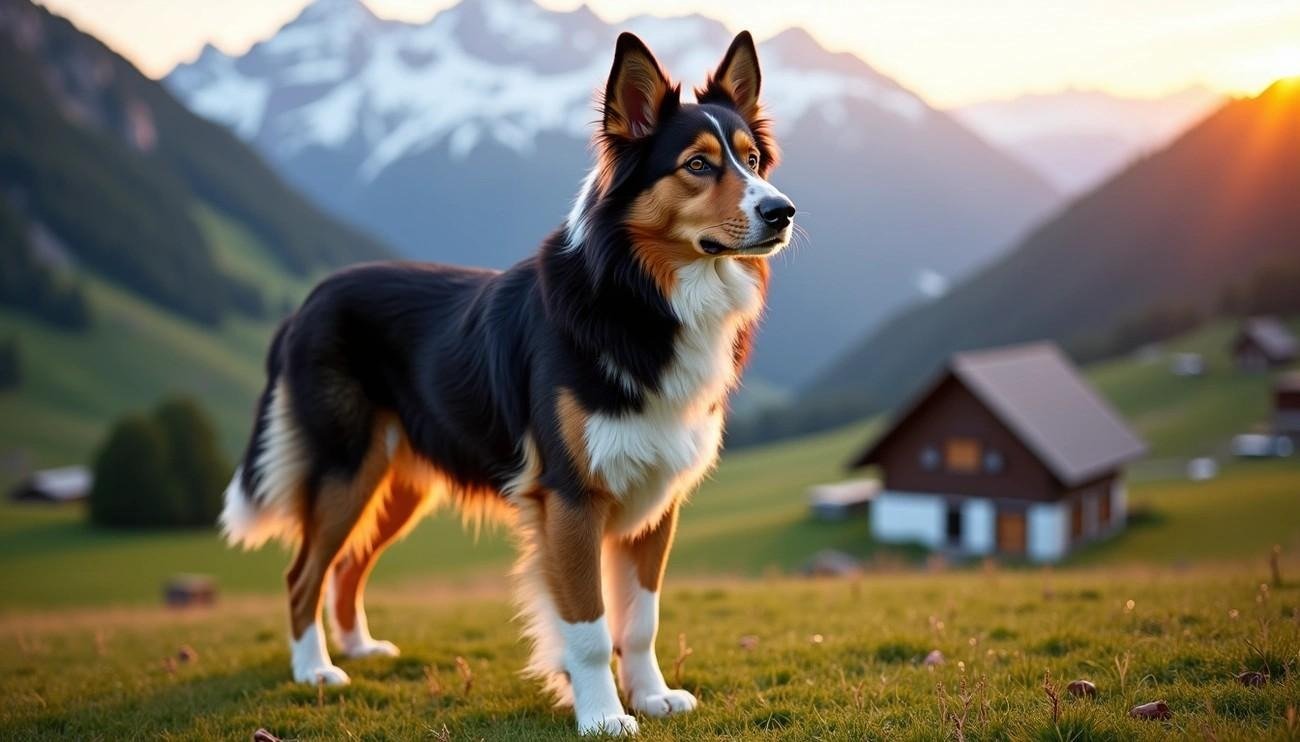
The Appenzeller Sennenhund stands out as a medium-sized working breed that packs strength, agility, and intelligence into an almost square-built, balanced frame. These tri-colored dogs came from Switzerland, where they proved themselves as versatile farm companions by herding livestock, guarding property, and pulling carts across their mountainous homeland.
These substantial yet nimble canines stand 19 to 22 inches tall and weigh between 48 to 70 pounds. The breed’s impressive lifespan ranges from 12 to 15 years. The females reach 50 to 54 cm at the withers, while males grow slightly taller at 52 to 56 cm.
Anyone thinking about getting an Appenzeller should know this breed’s unique traits. These dogs burst with endless energy and need owners who can keep up with their active lifestyle. This piece will help you find everything about this remarkable Swiss breed. You’ll learn about their rich history, physical characteristics, temperament, and health issues that make them either a perfect match or a challenging fit for your family.
Breed Overview and History
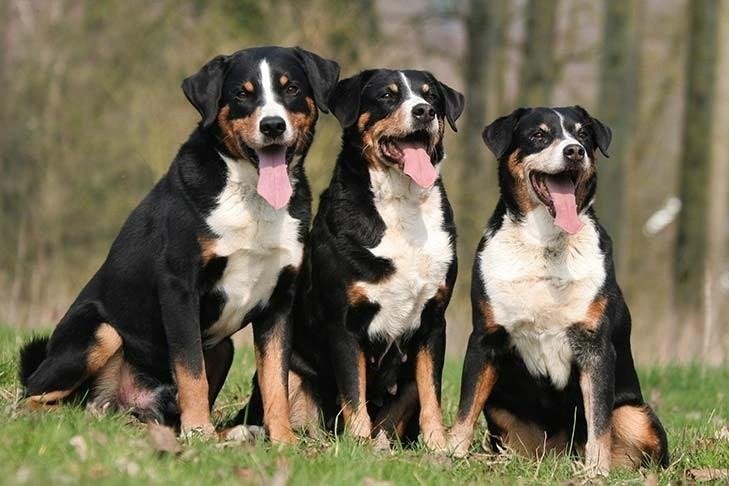
Image Source: American Kennel Club
The Appenzeller Sennenhund is one of the four prominent Swiss mountain dog breeds. Its roots run deep in Switzerland’s farming history. This smart and adaptable medium-sized working dog has been a great companion to Alpine farmers for hundreds of years.
Origin in the Swiss Alps
The breed comes from northeastern Switzerland’s Appenzell region, where it thrived in the Alpine valleys. The Appenzeller belongs to a family of Swiss mountain dogs called Sennenhunde. This name comes from the “Senn” or “Senner,” Alpine herdsmen and dairymen who relied on these dogs for their daily work.
No one knows the breed’s exact origins. Many experts believe these dogs that Roman soldiers brought to Switzerland about 2,000 years ago during their Alpine campaigns. These Roman dogs bred with local Swiss working dogs and created what we now know as the Appenzeller Sennenhund.descended from ancient Molossers
Friedrich von Tschudi wrote the first description of the breed in 1853. He described it as a “high-pitch barking, short-haired, medium-sized, multicolor dog of quite even Spitz type”. Among the four Swiss mountain breeds—the Bernese Mountain Dog, Greater Swiss Mountain Dog, and Entlebucher Mountain Dog—the Appenzeller looks most like a spitz.
Role as a herding and farm dog
Appenzellers worked as all-purpose farm dogs throughout their history. These dogs herded cattle in tough Alpine terrain and became famous for fearlessly nipping at stray cows’ heels to keep them with the herd. People called them “Appenzell Cattle Dog” because of this behavior.
These versatile dogs pulled carts loaded with milk, cheese, and other farm products through mountain roads. Each load could have heavy cheese rounds and metal milk cans weighing up to 80 pounds. Their strong bodies and determined nature made this demanding work possible.
Appenzellers excelled at many tasks:
Property and livestock guardians, protecting farms from predators
Watchdogs with sharp alertness and territorial instincts
Home companions with steadfast dedication to their families
The Swiss Army even used these reliable and strong dogs to pull supply wagons during World War II.
Recognition and breed development
Max Siber saw these dogs at cattle shows and started the path to official recognition in the late 19th century. He approached the Schweizerische Kynologische Gesellschaft (Swiss Cynological Society). The canton of St. Gallen provided money, and the breed gained recognition around 1896-1898.
Eight Appenzellers appeared at an international dog show in Winterthur in 1898. They competed in a new Sennenhunde class. That same year, Max Siber helped establish the Appenzeller as its own breed.
Professor Albert Heim later helped develop the breed by:
Starting the Appenzeller Sennenhunde Club in 1906 to protect and promote the breed
Writing the first official breed standard in 1914
Beginning official puppy registration in the Appenzeller Dog Stud Book
The Appenzeller Sennenhund remains rare worldwide despite these efforts. The Fédération Cynologique Internationale fully accepted the breed in 1954. Yet its narrow genetic base puts it at risk. The American Kennel Club lists it in Foundation Stock Service status to track breeding practices.
Switzerland still has the most Appenzellers. These amazing dogs now live in other European countries and North America. They show their smarts and adaptability in many activities from herding to agility, obedience, and search and rescue.
Physical Characteristics and Appearance
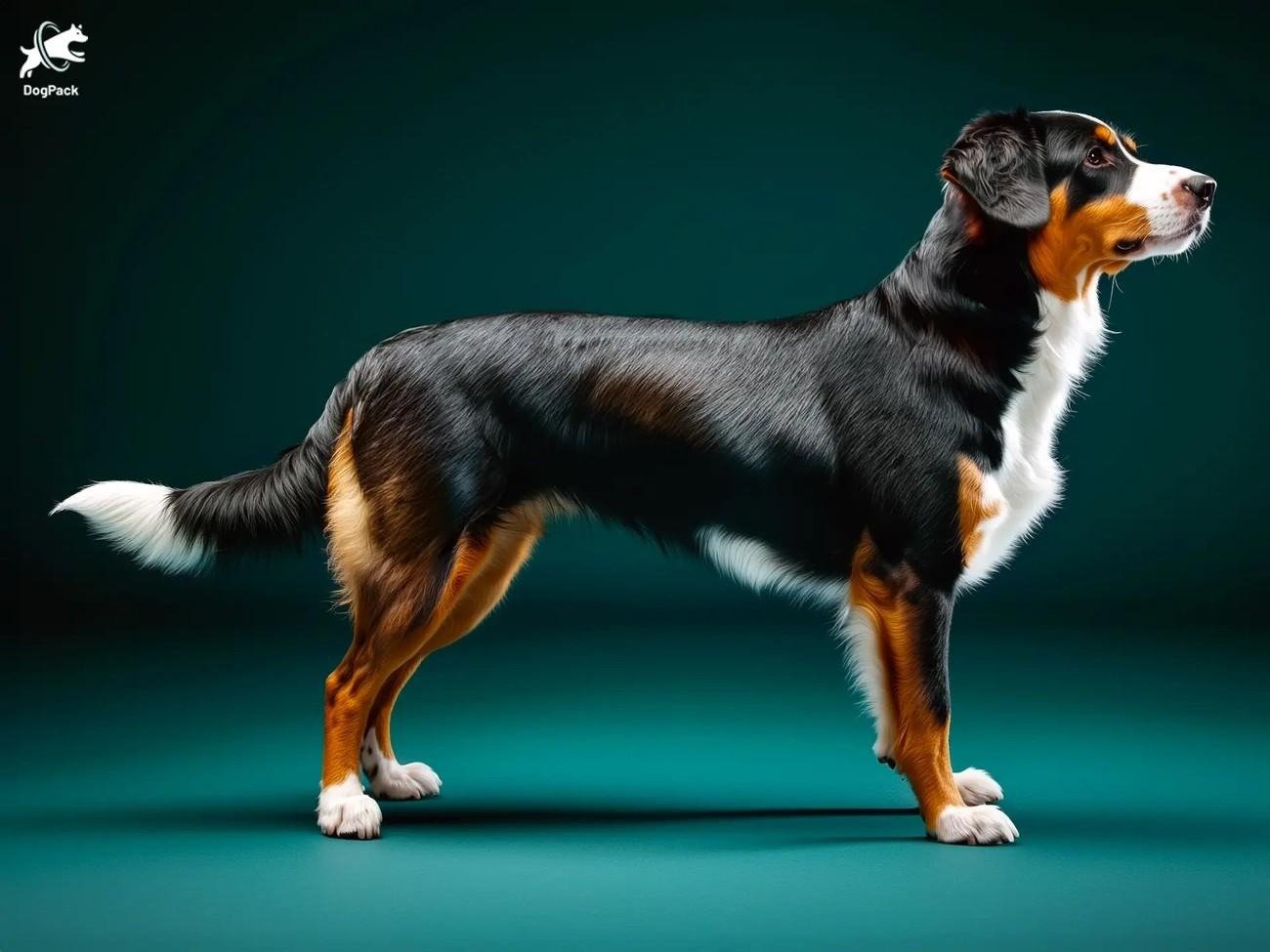
Image Source: DogPack App
Appenzeller Sennenhunds catch everyone’s eye with their athletic build and striking tricolor coat. These medium-sized dogs showcase their working heritage through a perfect blend of muscular power and agility. Their balanced physique makes them naturals at traditional herding and farm work.
Appenzeller Sennenhund height and weight
These dogs have a well-proportioned, almost square build that combines strength with mobility. (20-22 inches) at the withers, while females are a bit smaller at 50-54 cm (19.7-21.25 inches). Breed standards allow about 2 cm (0.8 inches) of flexibility.Males typically stand 52-56 cm
These sturdy dogs pack quite a punch without looking bulky:
Males: Generally 25-32 kg (49-70 pounds)
Females: Typically 22-28 kg (49-70 pounds)
Their size puts them right between medium and large breeds, giving them enough power for traditional work while staying nimble. From nose to tail, they measure roughly 32-38 inches (81-97 cm), and stand between 24-28 inches (61-71 cm) tall.
Coat type and grooming needs
The breed’s weather-resistant double coat helped them handle long days in harsh Alpine weather. You’ll notice their topcoat feels short, thick, and hard with a nice shine, while the undercoat stays dense in black, brown, or gray.
These dogs need simple grooming:
A weekly brush with a firm bristle brush removes loose and dead hair
Shedding seasons need more frequent brushing
Baths should happen only when they’re dirty or smelly
The coat might have slight waves on the withers and back, though breeders don’t prefer this trait
Their practical coat matches their working background perfectly – these dogs didn’t have time for fancy grooming routines.
Appenzeller Sennenhund colors and markings
The breed’s most eye-catching feature has to be its tricolor pattern. You’ll find two main varieties:
Black tricolor (most common)
Havana brown tricolor (added to breed standards in 1982)
Their markings follow specific patterns:
A white blaze runs from the skull down the nose, sometimes wrapping around the muzzle
White shows up on the chin, throat, and chest
White marks all four feet and the tail’s tip
Reddish-brown spots appear over the eyes, on cheeks, chest, and legs
Breed experts value symmetrical markings. The reddish-brown spots must sit between the black/brown base color and white areas. A white spot on the nape or half-collar works fine, though a full white collar isn’t ideal.
Distinctive tail and body structure
The breed’s working background shows through several unique features:
Their high-set tail stands out as one of their most recognizable traits. It starts thick at the base, tapers to the tip, and curls tightly over the back during movement – experts call it a “post horn” tail. This unique tail position, which might come from their Spitz ancestors, really shows up when they move.
The dogs have a compact, strong body with a moderately long, firm back and short, muscular loins. Their broad chest reaches down to the elbow level and shows a clear forechest, letting them move powerfully. The hindquarters stay relatively short and follow the topline’s flat path.
Their triangular ears sit high on the head. These ears rest against their cheeks when relaxed but perk forward quickly when something catches their attention.
The Appenzeller Sennenhund really shows how form meets function – they’re sturdy, agile working dogs whose physical traits helped them excel in their traditional Swiss farm duties.
Temperament and Behavior Traits
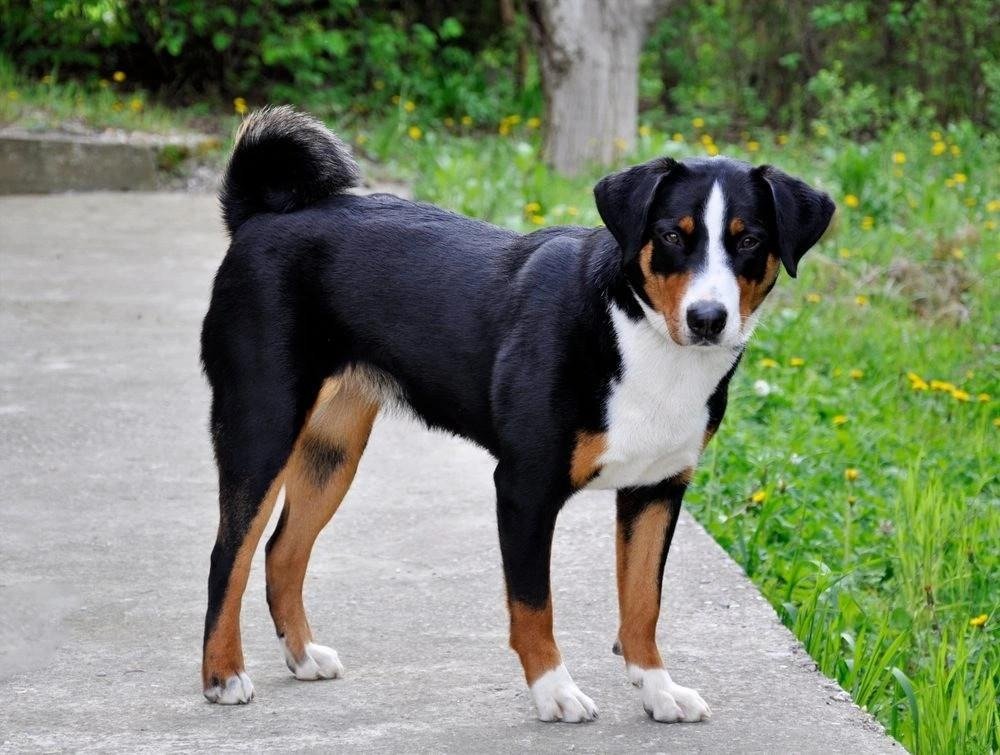
Image Source: Dog Academy
The Appenzeller Sennenhund stands out with its unique temperament that matches its striking looks. These dogs blend smarts, dedication, and watchfulness with a free spirit that shows their working roots. Anyone who wants to bring this lively Swiss breed home should know what makes them tick.
Appenzeller Sennenhund temperament explained
Smart, loyal, and full of life – these traits define the Appenzeller Sennenhund’s personality. Their confidence and reliability shine through in everything they do. The breed’s heart belongs to its family, and they build deep connections with their people.
These dogs’ brainpower puts them ahead of many working breeds, as shown by their . Their sharp minds come with a stubborn side that might challenge new dog owners. Rough handling backfires with these dogs – they’ll dig in their heels or stop listening if treated harshly.high scores on canine intelligence tests
The Appenzeller’s key traits include:
Smart and ready to work
Devoted to family
Bold and confident
Careful around strangers
Hard-working and energetic
Energy levels and playfulness
Appenzeller Sennenhunds buzz with energy and need lots of daily activity. Couch potato life won’t cut it for these dogs. Physical exercise and brain games keep them balanced and well-behaved.
Dog experts say these pups need 1-2 hours of active play or structured exercise each day. Bored Appenzellers might develop anxiety or start barking too much and destroying things. Active families who love outdoor adventures will find perfect companions in these playful dogs.
Their energy needs aren’t extreme though. One breeder points out, “They only require moderate exercise… because of the job they were bred to do (cattle drovers), they have amazing stamina and make great hiking companions”. Their enthusiasm sometimes leads to physical contact – owners tell stories of getting knocked down by excited Appenzellers.
Protective instincts and watchdog behavior
The Appenzeller Sennenhund’s protective nature defines its character. Natural watchfulness, confidence, and territorial instincts make them top-notch guard dogs. Their Swiss Alps farming background shaped these protective traits.
Strange people or odd situations won’t slip past these alert dogs, and you can’t bribe them to look the other way. Their protective side extends to their families too – Appenzellers keep a close eye on their people. This dual talent for herding and guarding made them valuable farm dogs throughout history.
The breed barks quite a bit, which helped with their herding work. Breed experts explain that barking was their way of moving livestock around.
Interaction with strangers and other pets
Appenzeller Sennenhunds stay cautious around new people. New faces should let these dogs make the first move rather than approaching them directly. Early exposure to different people shapes how well they handle strangers later in life.
Well-socialized Appenzellers usually get along fine with other pets. Their herding background helps them bond with other animals, though they might try to herd smaller pets or kids without proper training. Cats and other house pets can become good friends if they grow up together.
These dogs can be great with kids, especially older ones. Their rough play style and herding instincts need watching around little ones though. Parents should keep an eye out since excited Appenzellers might accidentally knock small children over during play.
Lifespan and General Health
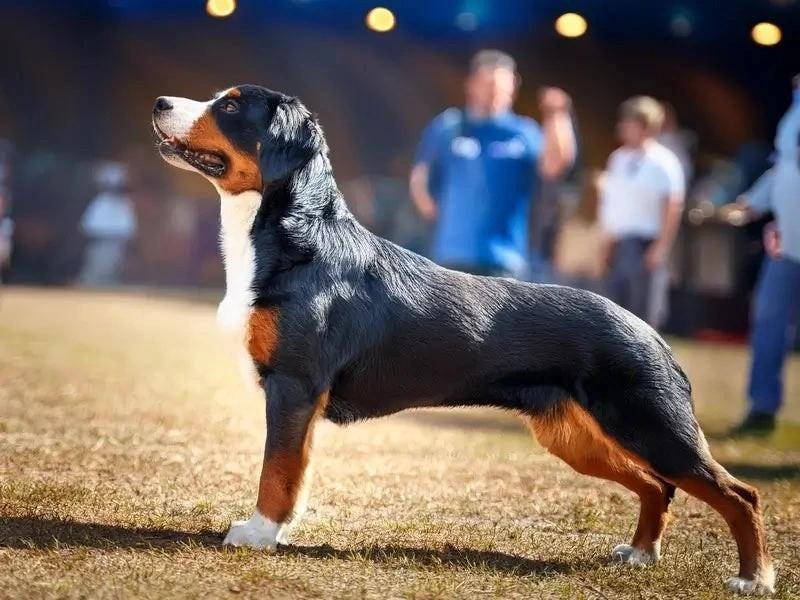
Image Source: Holistapet
Appenzeller Sennenhunds rank among the healthiest dog breeds with impressive lifespans and few inherited health problems. Their strong health makes them perfect companions for active families who want a dog with minimal health issues.
Average lifespan of Appenzeller Sennenhund
These dogs live much longer than other breeds of similar size. Most experts agree Appenzellers live . Good care helps them stay active and energetic through most of their lives. These tough mountain dogs often live beyond these numbers[213].between 12 and 15 years on average
Their mountain working dog heritage explains their amazing longevity. The challenging Alpine environment demanded dogs with exceptional health. A German source confirms this: “Der Appenzeller Sennenhund gilt als gesunde Hunderasse. Die Lebenserwartung liegt bei bis zu 15 Jahren” (The Appenzeller Sennenhund is considered a healthy dog breed with a life expectancy of up to 15 years).
Your Appenzeller can live longer if you:
Control their weight through good nutrition
Give them regular exercise matching their energy
Take them to vet checkups regularly
Keep their minds active with stimulation
Older Appenzellers naturally slow down and need less exercise. Senior dogs benefit from lighter activities that help them stay comfortable and maintain muscle.
Common health issues (Appenzeller Sennenhund Krankheiten)
These dogs are healthy overall but can develop certain conditions. Owners should learn about possible health issues to spot early warning signs and get quick veterinary help.
Musculoskeletal problems top the list of health concerns:
Hip and elbow dysplasia – These joint formation problems can cause pain and movement difficulties. Hip dysplasia happens when hip joints don’t develop correctly, leading to pain and lameness.
Eye conditions – Research shows these dogs can get cataracts[194], Progressive Retinal Atrophy (PRA), and Collie Eye Anomaly (CEA). Untreated cataracts cloud the eyes and might reduce vision or cause blindness.
Bloat (Gastric Dilatation-Volvulus) – This emergency condition happens when the stomach fills with gas and twists[212]. Dogs need immediate vet care as bloat can turn fatal quickly.
Epilepsy – Some dogs inherit this seizure-causing condition.
Other reported issues – Allergies, arthritis, urinary tract infections, and skin tumors might develop as dogs age.
The breed’s small population has helped avoid many breeding-related health problems that affect more popular breeds. Multiple sources describe Appenzellers as “generally healthy”, with fewer inherited issues than most purebreds.
Preventive care and vet checkups
Good health management helps your Appenzeller live longer. Regular vet visits are the life-blood of preventive care.
Healthy dogs need at least one yearly vet visit. Senior dogs should go twice yearly. These checkups include:
Full physical exam
Blood work to check organ function
Heartworm screening
Parasite checks through stool tests
Dental health evaluation
Weight monitoring to prevent obesity
Vaccines protect against rabies, distemper, parvovirus, and other regional diseases. Dogs need year-round parasite prevention in areas where these parasites live.
Dental health deserves extra attention because dogs with healthy mouths tend to live longer. Bad oral bacteria can spread through blood and harm vital organs like the heart, liver, and kidneys.
The AKC warns that “Some dogs are prone to getting overweight, so watch your dog’s calorie consumption and weight level”. Proper weight through diet and exercise prevents many health issues. Consistent preventive care lets many owners enjoy their active Appenzellers well into their senior years.
Training and Socialization Guide
Training an Appenzeller Sennenhund demands patience and a deep understanding of their unique temperament. These intelligent, high-spirited dogs thrive on structured guidance that starts early. Your approach should acknowledge their sensitive nature respectfully.
Why early training is essential
that shapes your Appenzeller Sennenhund’s lifelong behavior. The time when they’re puppies is a vital period because these dogs pick up habits quickly. They can become stubborn if they learn unwanted behaviors. Starting their training early prevents bad habits while their personality develops.Early training builds a foundation
These smart dogs need structured training right from the start. That’s why they don’t make good pets for first-time or inexperienced dog owners. Your Appenzeller will quickly learn household rules when you teach them properly. This early learning shapes how they interact with family members and visitors throughout their lives.
Positive reinforcement techniques
Positive reinforcement works best with these sensitive dogs. Your Appenzeller “does not react well to harsh or hard handling”. Punishment-based methods backfire with this breed. Treats, praise, and toys reward their good behavior effectively.
The quickest way to train includes:
Markers like clickers that pinpoint correct behaviors
Short, fun training sessions lasting 5-10 minutes
Different activities that keep their interest high
Socializing with people and pets
Your Appenzeller’s socialization matters just as much as obedience training. Early exposure to different environments, people, and animals builds their confidence. This exposure helps balance their protective nature.
Good socialization helps “quell protective instincts” that might make them wary of strangers. An Appenzeller might never become as friendly as other breeds without the right social exposure.
Mental stimulation and obedience training
Your Appenzeller’s sharp mind needs challenges beyond physical exercise. Their intelligence makes them perfect candidates to solve problems and learn advanced skills. Puzzle toys, scent games, and obstacle courses keep their minds active.
Agility training, obedience competitions, and herding exercises suit this breed perfectly. These activities tap into their natural skills while exercising their minds. Teaching new tricks keeps these smart dogs busy and prevents destructive behavior caused by boredom.
Grooming and Daily Care Needs
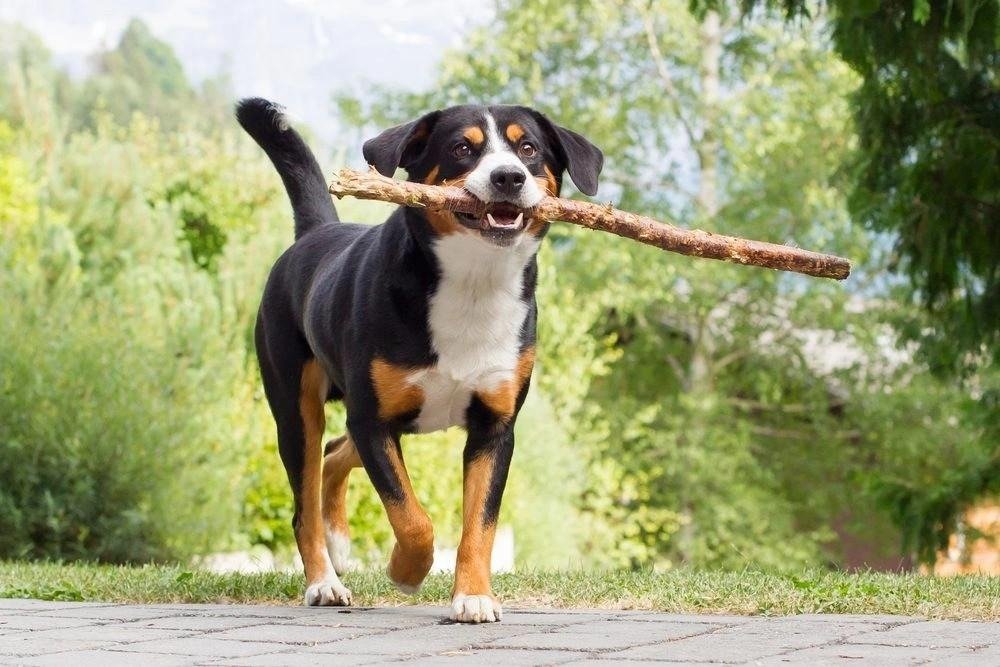
Image Source: Dog Academy
The Appenzeller Sennenhund’s grooming needs match their no-nonsense personality. These dogs come with a weather-resistant double coat that needs minimal care. Active owners will love spending more time on adventures and less time on grooming sessions with this breed.
Brushing and coat maintenance
Your Appenzeller’s double coat features a thick, shiny topcoat and a that shows up in black, brown, or gray. A weekly brush with firm bristles will get rid of loose and dead hair. You’ll get the best results with both a pin brush and a slicker brush. Start with the pin brush to remove tangles, then use the slicker brush to keep the coat healthy.dense undercoat
Regular brushing helps your dog in several ways:
Natural skin oils spread through the coat
Less dog hair ends up around your house
You get a chance to spot skin problems or parasites
Your bond with your dog grows stronger
Bathing and nail trimming
These dogs don’t need frequent baths – just wash them when they get dirty or start to smell. Too much bathing strips away the natural oils that protect their coat. Most people find that bathing every 4-6 weeks works well.
Your dog’s nails need regular attention since long nails can hurt and affect how they walk. Trim their nails about once a month. Make sure you use proper dog nail clippers and watch out for the quick – the sensitive inner part of the nail.
Ear and dental care
Check your active Appenzeller’s ears weekly, especially if they spend lots of time outside. Look for dirt, debris, and signs of trouble like redness or unusual smells. Clean just the visible parts with a solution your vet recommends.
Dental care is a vital part of grooming that many people forget about. Brush your dog’s teeth daily with special dog toothpaste. If you can’t manage daily brushing, try for several times a week to prevent gum disease that can harm other organs.
Seasonal shedding tips
Your Appenzeller will shed all year, but they shed more heavily twice a year – usually spring and fall – as their coat adjusts to weather changes. Daily brushing might be needed during these times.
Here’s how to handle heavy shedding seasons:
Get a good shedding tool or coat rake
Take the brushing outside to keep hair out of your house
A grooming mitt works great for quick daily touch-ups
Step up your vacuum schedule when shedding gets heavy
Between shedding seasons, Appenzellers stay pretty clean without much dog smell. This easy-care quality fits perfectly with their background as working farm dogs bred to work rather than look pretty.
Buying or Adopting an Appenzeller Sennenhund
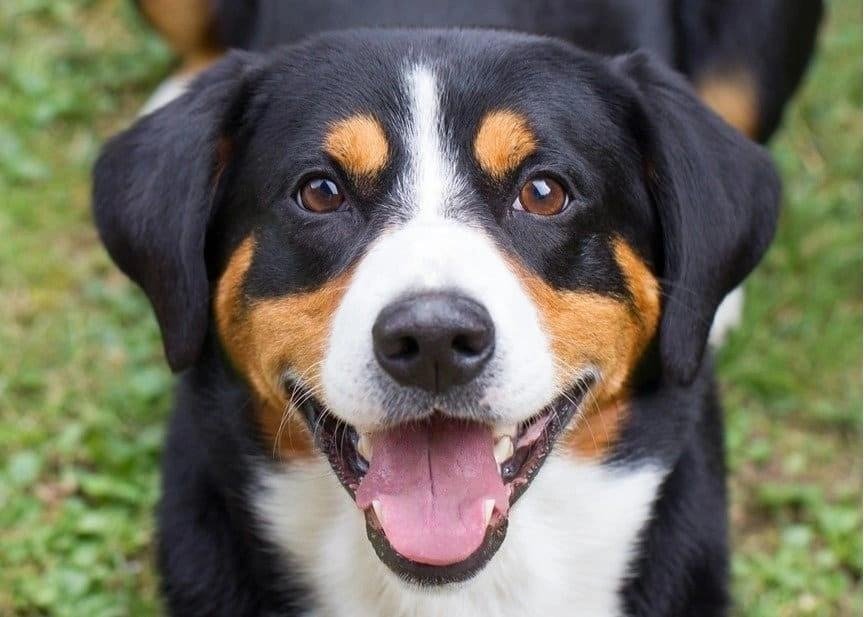
Image Source: A-Z Animals
Getting your hands on an Appenzeller Sennenhund takes time and dedication since these dogs are hard to find outside Switzerland. You’ll need to think about several things before bringing one of these energetic working dogs home, whether you’re buying from a breeder or going through rescue.
Appenzeller Sennenhund for sale vs adoption
Finding an Appenzeller through adoption can be tough since these dogs rarely show up in shelters or rescue groups. All the same, dog lovers might want to reach out to:
The Appenzell Mountain Dog Club, which sometimes works with rescue organizations
Breed-specific forums where show dogs might need new homes
Local shelters, though your chances are slim because these dogs are so rare
Note that adoption does more than just save you money—we helped give deserving dogs a second chance and discouraged puppy mills from profiting off rare breeds.
Appenzeller Sennenhund price in India and globally
Reputable breeders usually charge between for Appenzeller puppies in India. Monthly care runs about INR 3,000-6,000 based on your choice of food and services.INR 151,884 to INR 185,636
Here’s what you might pay in different parts of the world:
Northeast US: INR 126,570 to INR 210,951
Midwest US: INR 101,256 to INR 168,760
Southern US: INR 84,380 to INR 168,760
Western US: INR 126,570 to INR 210,951
Choosing a reputable breeder
The best breeders put their dogs’ health and temperament ahead of making money. Here’s what to look for in a breeder:
Health testing—good breeders check for hip dysplasia and other genetic issues
Facility visits—you should see where the puppies grow up before buying
References—reliable breeders are happy to connect you with previous buyers
Contracts—ethical breeders give health guarantees and return policies
Limited breeding—quality breeders only have a few litters each year
What to expect with a baby Appenzeller Sennenhund
These smart, independent puppies need lots of early socialization and training. Each litter usually has 4-6 puppies, and they’re not easy to find because the breed is quite rare.
Your new puppy will have tons of energy and needs clear boundaries right from the start. These dogs learn quickly, so early training is vital to build good habits that stick around as they grow up.
Pros and Cons of Owning an Appenzeller
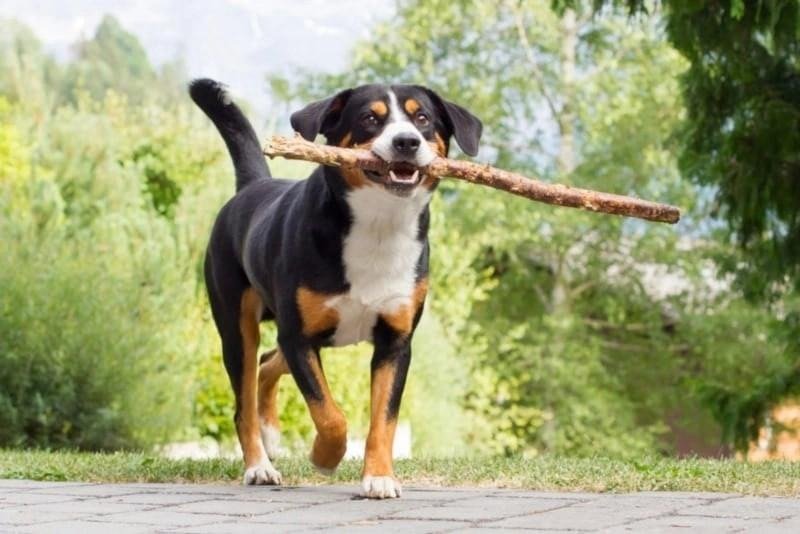
Image Source: Dogster
A decision to get an Appenzeller Sennenhund requires careful thought about their exceptional qualities and challenges. These energetic Swiss working dogs bring unique advantages but need specific care that future owners must assess.
Are Appenzeller Sennenhund good family dogs?
These dogs create deep bonds with their families and show unwavering loyalty to their humans. Active families with older children will find these dogs make great companions. Their high energy and playful nature suits them better to school-aged children than toddlers. Their herding instinct might lead them to nip at children’s heels or try to “herd” family members.
These natural watchdogs protect their families instinctively, but need proper socialization to react well to visitors.
Appenzeller Sennenhund Nachteile (drawbacks)
The most challenging aspects of owning an Appenzeller include:
Daily need for of intense exercise1-2 hours
Destructive habits from boredom or lack of stimulation
Strong territorial behavior that needs constant management
Anxiety issues when left alone too long
Loud, powerful barking
Poor adaptation to new surroundings or frequent changes
Ideal living conditions and owner type
These dogs thrive best in rural or suburban homes with plenty of outdoor space. They need a secure, fenced yard where they can patrol their territory. Apartment living doesn’t suit this breed because of space limits and their guardian nature.
Experienced dog handlers usually succeed more with these smart, strong-willed dogs. New dog owners often find it hard to handle their independent spirit and high energy.
Mini Appenzeller Sennenhund: myth or reality?
No official breed standard recognizes Mini Appenzeller Sennenhunds. This term comes from marketing tactics or misidentified smaller dogs. Real Appenzellers match the size requirements set by official breed organizations.
Conclusion
Appenzeller Sennenhunds stand out as amazing companions for the right owners. These Swiss mountain dogs blend intelligence, loyalty, and endless energy in a striking tricolor coat. They live 12-15 years and have few health issues, which makes them great long-term partners for active families.
The Appenzeller’s energy level matches perfectly with active households. These bright, work-oriented dogs need 1-2 hours of daily exercise to stay physically and mentally healthy. Smart dogs like these might act out if they don’t get enough mental and physical challenges.
New dog owners should think over if they can handle this independent-minded breed’s training and socialization needs. Setting boundaries early and using positive reinforcement builds a strong foundation for a well-behaved adult dog.
The breed’s territorial nature and powerful bark need attention. These traits helped them guard farms but need proper management in family homes today. Good socialization helps balance their protective instincts when visitors come around.
The breed’s grooming needs are simple despite seasonal shedding. A weekly brush keeps their short double coat in shape. They need extra attention during spring and fall shedding seasons. This simple grooming routine fits their background as practical working dogs.
Getting an Appenzeller puppy can be tough since they’re rare outside Switzerland. Indian prices range from ₹60,000–₹1,20,000, based on breeder reputation and availability. You’ll need patience while searching for one.
Active families looking for a smart, devoted companion will find the Appenzeller Sennenhund brings amazing rewards. These versatile dogs shine in many activities from hiking to agility competitions. They need lots of exercise and training, but Appenzellers give back with steadfast loyalty. They truly represent one of Switzerland’s most special canine treasures.
Key Takeaways
The Appenzeller Sennenhund is a remarkable Swiss working breed that demands careful consideration before ownership. Here are the essential insights for prospective owners:
• High-energy working breed: Requires 1-2 hours of vigorous daily exercise and mental stimulation to prevent destructive behaviors from boredom.
• Excellent health and longevity: Lives 12-15 years with relatively few genetic health issues, making them reliable long-term companions.
• Not for beginners: Independent, intelligent nature requires experienced owners who can provide consistent training and early socialization.
• Natural guardian instincts: Protective and territorial with powerful barking tendencies that need proper management in family settings.
• Rare and expensive: Limited availability outside Switzerland with prices ranging ₹60,000-₹1,20,000, requiring patience to find reputable breeders.
• Low-maintenance grooming: Weather-resistant double coat needs only weekly brushing except during seasonal shedding periods.
The Appenzeller Sennenhund rewards active, experienced owners with unwavering loyalty and versatility. Their combination of intelligence, athleticism, and devotion makes them exceptional partners for those who can meet their substantial exercise and training requirements. However, their demanding nature and rarity mean they’re not suitable for every household.
FAQs
Q1. What are the key traits of an Appenzeller Sennenhund? Appenzeller Sennenhunds are energetic working dogs known for their high intelligence, strong herding instincts, and need for mental and physical stimulation. They require early socialization, consistent training, and plenty of space to run and exercise. These powerful, speedy dogs thrive when given a job to do.
Q2. How do Appenzeller Sennenhunds behave around strangers? While not typically aggressive, Appenzeller Sennenhunds tend to be wary of strangers. Their protective nature makes them excellent watchdogs, but proper socialization is crucial to ensure they respond appropriately to new people.
Q3. What is the general health outlook for Appenzeller Sennenhunds? Appenzeller Sennenhunds are known for their robust health and longevity. They have few breed-specific hereditary health issues. However, like all dogs, they may develop common age-related conditions as they get older.
Q4. Are Appenzeller Sennenhunds suitable for first-time dog owners? Appenzeller Sennenhunds can be good pets for first-time owners who lead active lifestyles and are committed to training. They are loyal and affectionate family dogs but require significant exercise, attention, and early training to manage their strong-willed nature.
Q5. How much exercise does an Appenzeller Sennenhund need? Appenzeller Sennenhunds have high energy levels and require substantial daily exercise. They typically need at least 1-2 hours of vigorous activity each day, which can include walks, runs, play sessions, or engaging in dog sports to keep them physically and mentally stimulated.