
American Staffordshire Terrier Breed Information: Characteristics, Behavior, Temperament, Lifespan
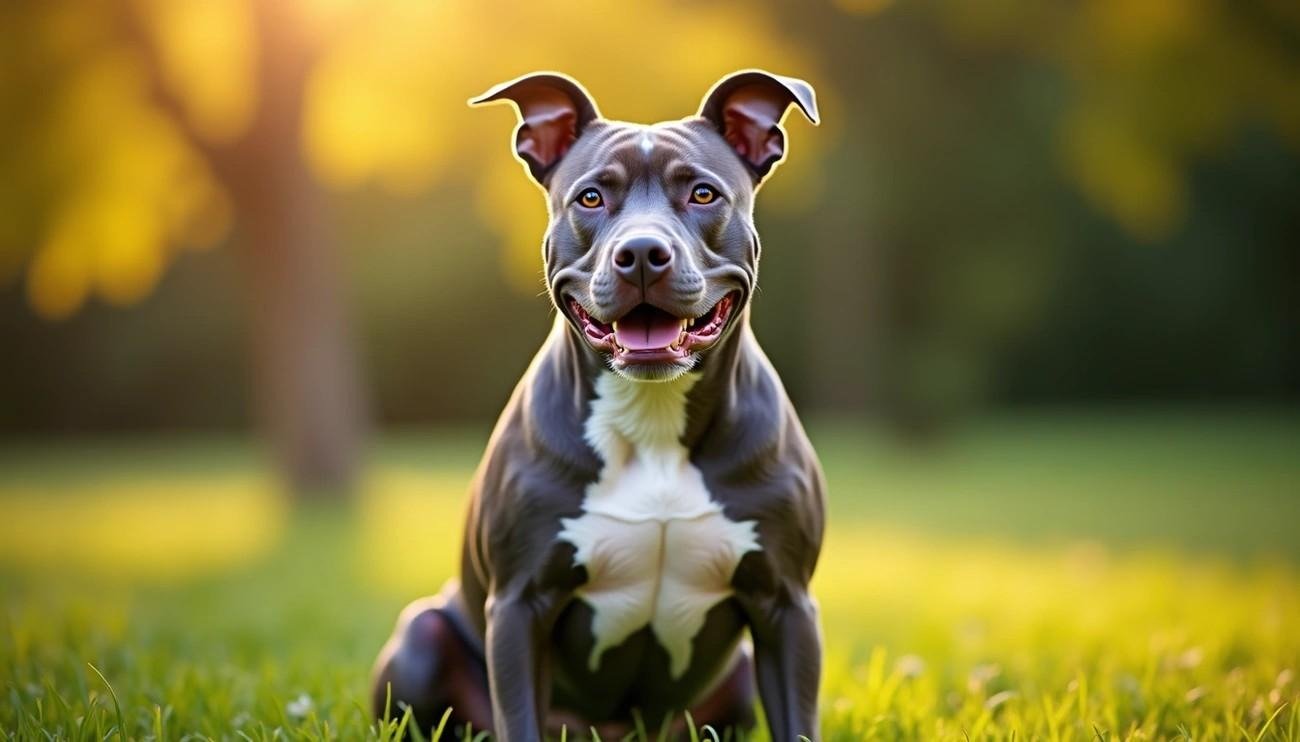
The American Staffordshire Terrier stands out as a muscular breed with a short coat from the United States. These dogs typically weigh between 40 and 70 pounds (18-32 kg). Their loving nature makes them wonderful family companions, and they show special affection toward children. The American Kennel Club officially welcomed the breed in 1936, cementing their status as one of America’s favorite dogs.
These intelligent dogs love to please their owners and respond exceptionally well to training. Most American Staffordshire Terriers live between 12-16 years, though they might face some health challenges like orthopedic problems as they age. The breed’s short single-layer coat doesn’t shed much, but you’ll still find some hair in their favorite lounging spots around the house. These energetic dogs build up quite an appetite after exercise, so owners need to pay attention to their care needs.
Breed Characteristics and Appearance
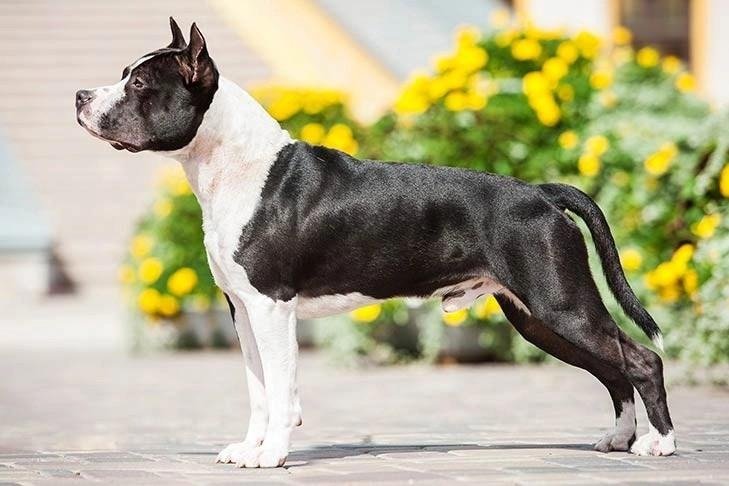
Image Source: American Kennel Club
American Staffordshire Terriers catch everyone’s attention with their impressive physique. These dogs blend strength and agility beautifully. Their muscular frame and confident stance leave a lasting impression on anyone who sees them.
Size and weight range of American Staff
American Staff belongs to the medium-sized breed category. They pack substantial weight for their height. Males reach 18-19 inches (46-48 cm) at the withers. Females stay slightly shorter at 17-18 inches (43-46 cm). These dogs carry impressive muscle mass. Males weigh between 55-70 pounds (25-32 kg), while females range from 40-55 pounds (18-25 kg).
Their substantial weight-to-height ratio creates that characteristic stocky, powerful look. They appear more compact and densely built than other medium-sized breeds. New owners should remember this unique combination of strength and size before bringing one home.
Coat type and color variations
American Staffordshire Terriers have a short, stiff coat that feels glossy and firm. This practical coat needs minimal grooming yet protects the dog effectively. These purebreds showcase an amazing range of colors and patterns.
Common coat colors include:
- Solid colors: Black, blue, white, brown, fawn, liver, and red
- Brindle patterns: Black brindle, blue brindle, brown brindle, fawn brindle, and red brindle
- Bicolor combinations: Black and white, often with chest patches
The American Kennel Club discourages certain color patterns. These include dogs that are more than 80% white, black and tan, or liver. The blue coat appears as a grayish hue with bluish undertones. This coloring comes from a recessive gene that dilutes black pigmentation. Many AmStaff lovers prize this unique coloration.
Muscular build and physical traits
Power and athleticism define the American Staffordshire Terrier’s structure. Their broad skull, pronounced cheek muscles, and strong jawline stand out most. Dark, round eyes sit wide apart on their face, creating an alert and attentive expression.
The breed’s ears naturally form a “rose” shape or half-prick position. Some owners opt for ear cropping, though this practice remains debatable.
These dogs boast a deep chest, powerful shoulders, and a short, low-set tail that tapers to a point. They move with agility and grace. Their springy gait shows their natural confidence. You’ll see a dog built for both strength and speed—muscular yet nimble.
American Staffordshire Terrier vs Pitbull
People often mix up American Staffordshire Terriers and Pit Bulls. All American Staffordshire Terriers fit under the “Pit Bull” umbrella, but not every Pit Bull qualifies as an American Staffordshire Terrier.
Key physical differences include:
American Staffordshire Terriers have a stockier, heavier build at 40-70 pounds (18-32 kg). American Pit Bull Terriers show a more slender, athletic frame, weighing 30-60 pounds.
Both breeds reach about 17-21 inches in height. American Pit Bull Terriers might grow up to 22 inches. AmStaffs look more compact and muscular, while Pit Bulls tend toward a leaner build.
The nose color helps tell them apart. American Staffordshire Terriers must have black noses by breed standards. Pit Bulls can have any nose color.
Both breeds share similar coat types and need moderate grooming. They shed throughout the year. Their lifespans match too, with AmStaffs living 12-16 years.
Temperament and Behavior
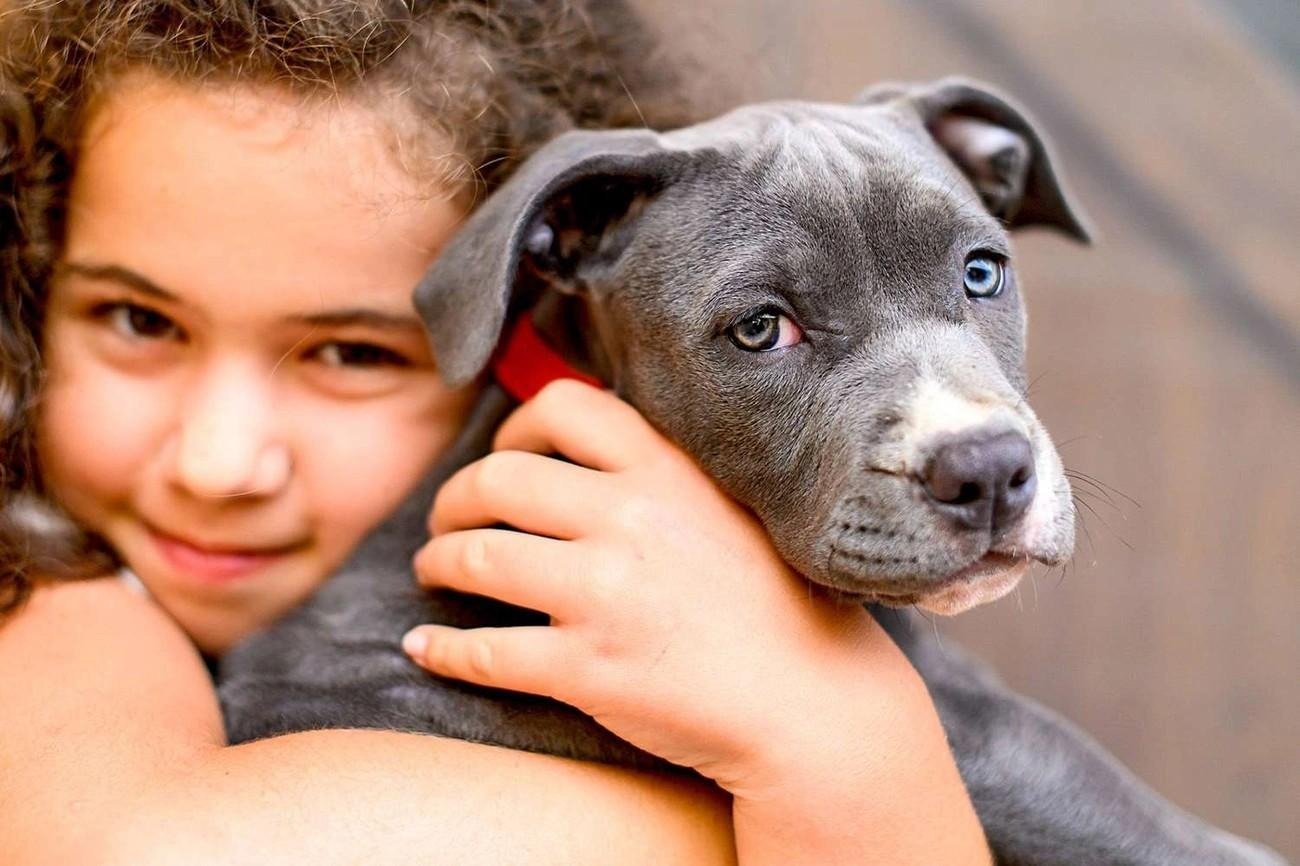 Image Source: Daily Paws
The American Staffordshire Terrier packs a muscular build but has a personality that perfectly balances love with protection. These dogs have built quite a name for their amazing temperament. They make perfect companions for people who get their unique character traits.
Affectionate nature with family
The American Staffordshire Terrier shines as a family companion. Owners often call it a “people dog” that runs on human interaction. These AmStaffs build deep bonds with their families and show incredible loyalty and affection. Breeders have worked hard to create dogs with stable, reliable temperaments around humans. This work shows in their trustworthy nature with families.
Their tough looks hide a heart of gold. Most AmStaffs play gently and show great tolerance. These loving dogs want to stay close to their human family members. You’ll find them following family around or snuggling up on the couch. This mix of strength and gentleness creates a special connection between AmStaffs and their owners.
Protective instincts and watchdog traits
American Staffordshire Terriers come with natural protective instincts that make them great watchdogs. Their deep loyalty means they’ll step up to protect family members or property from real threats. Many owners feel safer with these protective companions.
AmStaffs stay sharp and aware of what’s happening around them. They notice unusual sounds or movements fast, which helps them spot possible intruders. These dogs take their job as home guardians seriously and mark their territory well.
A well-socialized and trained AmStaff knows how to identify real threats from normal situations. They don’t bark much but will let owners know about real concerns. This smart judgment plus their protective nature makes them reliable protectors without unnecessary aggression.
Interaction with children and other pets
Well-socialized American Staffordshire Terriers show amazing behavior with children. Their patient and gentle nature makes them great kid companions. They handle rough play well. Their strong build helps them deal with children’s sometimes heavy-handed love.
The breed has earned its spot as a trusted family dog. But like any breed, someone should always watch AmStaffs and children together, no matter how good the dog behaves.
Things get trickier with other animals. AmStaffs might show “dog-selective behavior” – they won’t automatically like every dog they meet. The American Kennel Club warns that even well-socialized AmStaffs might develop dog aggression. They should never be alone with other dogs. Starting socialization early and keeping it consistent helps create peaceful pet interactions.
Common behavioral traits
American Staffordshire Terriers show several unique behaviors beyond their loving and protective nature:
- Intelligence and trainability: AmStaffs have smarts and want to please, which makes training fun. They weren’t bred to win obedience contests. Training works best when it feels like a game instead of forced work.
- Strong-willed nature: Smart as they are, AmStaffs can be stubborn. They need confident, consistent handling with clear limits. One expert puts it right: “If you try to force him, he will always win. If you try to make it a game, he will always play”.
- Anxiety tendencies: These dogs might get anxious when left alone too long. They bond strongly with their families and prefer company and activities.
- Exercise needs: American Staffordshire Terriers pack lots of energy that needs proper outlets. They need at least 60 minutes of solid exercise daily. Without enough physical and mental activity, they might start digging or chewing.
AmStaffs balance many traits – protective yet gentle, stubborn yet eager to please, powerful yet loving. Anyone thinking about getting this amazing breed should understand these qualities.
Lifespan and Growth Stages
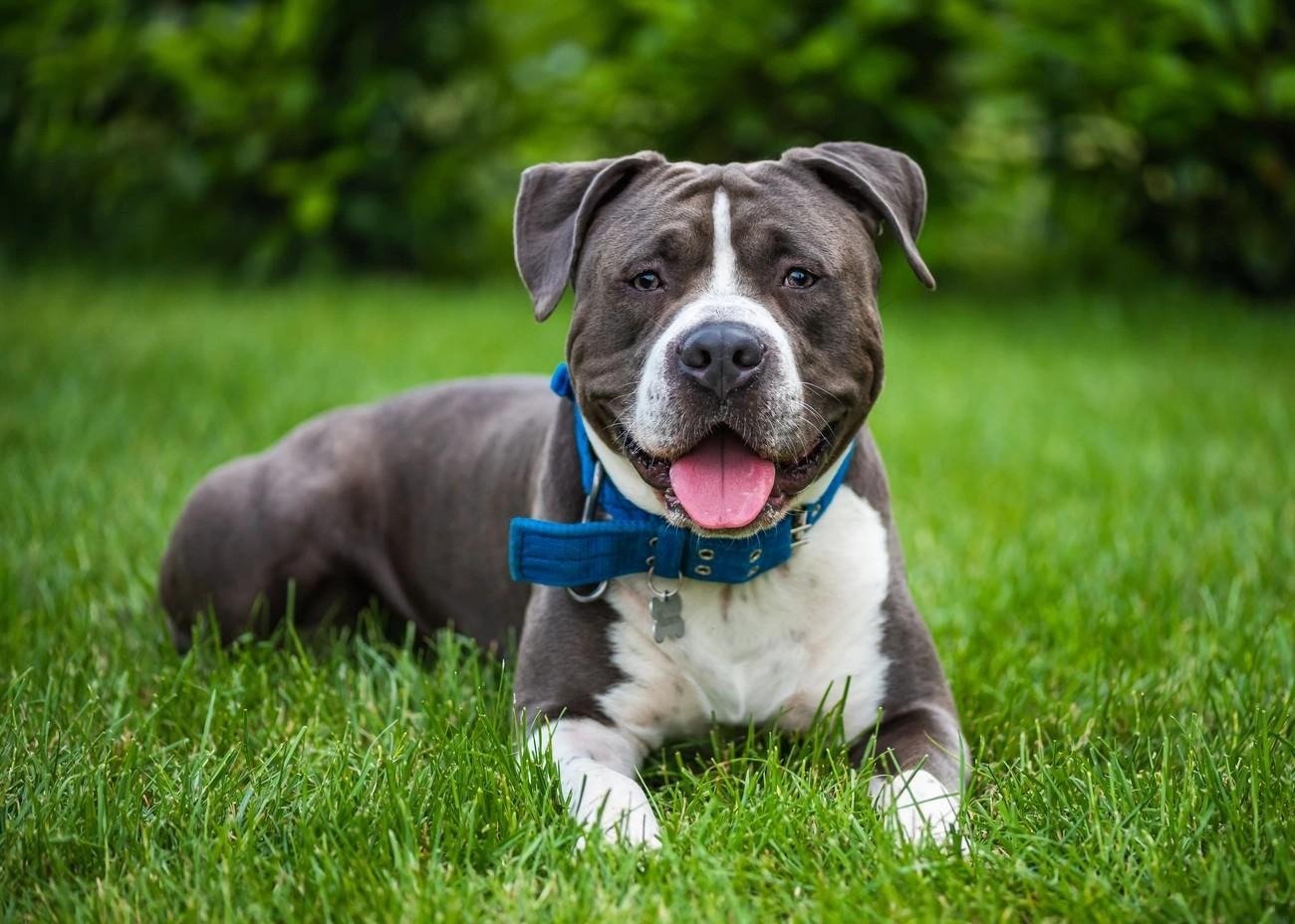
Image Source: PetLab Co
The American Staffordshire Terrier ranks among the most exceptional medium-sized breeds due to its impressive lifespan and tough nature throughout life. Dog owners who understand how these dogs grow from puppies to seniors can give them better care as their needs change.
Average American Staffordshire Terrier lifespan
These hardy canines live longer than many similar-sized dogs. Their lifespan typically ranges between 12 to 16 years with proper care. This puts them at the top of the list for medium breed longevity.
Your AmStaff’s potential lifespan depends on several things. Smaller dogs within the breed and those with fewer inherited health risks often live longer. Regular vet visits can help them reach up to 16 years.
The lifestyle you give your dog makes the biggest difference in how long they’ll live. Here’s what helps them live longer:
- Keeping a healthy weight
- Daily exercise
- Regular vet checkups
- Spotting health problems early
Puppy to adult development stages
AmStaff puppies grow into adults through clear developmental stages. Newborns spend their first three weeks mostly sleeping with little activity. Their eyes open between 10-14 days after birth and they start hearing during week three.
The time between 3-14 weeks shapes who these puppies become. They build bonds with their littermates and humans. These early experiences affect how well they’ll get along with other dogs and people later in life.
These dogs grow physically until they’re about a year old. They usually reach 2 feet in length and weigh 40-70 pounds. Some might keep growing until 18 months or even 24 months.
Sexual maturity hits between 6-12 months, though bigger dogs might take longer. They reach full emotional maturity between 12-18 months. Smaller breeds often mature faster emotionally than bigger ones.
Senior care considerations
AmStaffs enter their golden years around age 7-8. You might notice subtle changes in their energy, movement, and behavior. Older dogs show less stamina—they walk slower, rest more often, and might not play as hard as they used to.
Joint health needs extra attention in aging AmStaffs. These older dogs often develop arthritis in their hips, legs, and back. Watch for these warning signs:
- Trouble getting up
- Problems with stairs
- Pain while moving
- Short hops with back legs
- Getting tired easily
Brain function changes with age too. Some older AmStaffs get confused or sleep differently. Their food needs change, so they should eat senior-specific formulas.
The good news? With good care—regular vet visits, the right senior diet, and steady routines—many American Staffordshire Terriers stay active, alert, and loving through their senior years. Paying attention to their changing needs helps these loyal friends stay comfortable as they age.
Grooming and Maintenance Needs
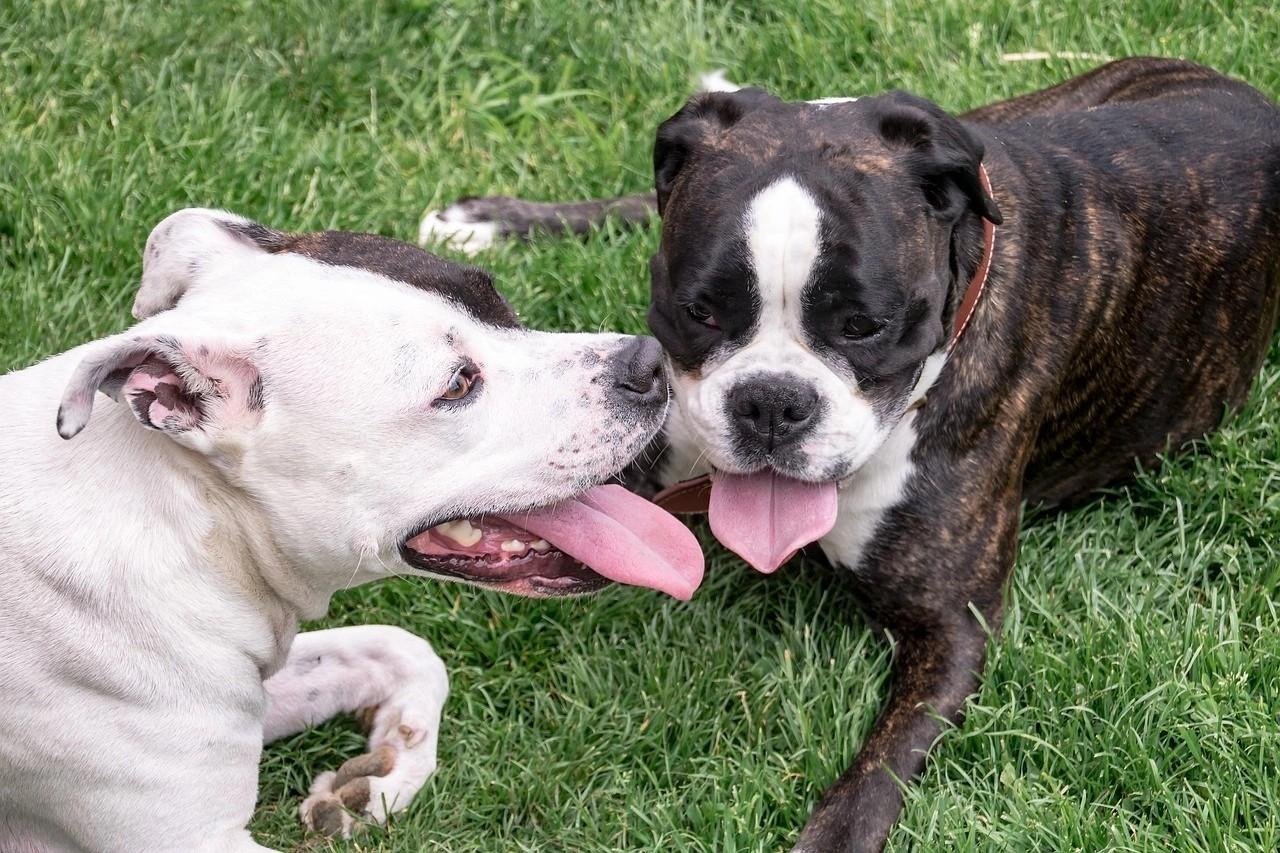
Image Source: iHeartDogs.com
American Staffordshire Terriers have a simple coat and skin care routine. Their short coat makes maintenance easy, but regular grooming keeps them healthy and comfortable.
Brushing and bathing routine
AmStaffs have a short, stiff coat that needs minimal upkeep compared to other breeds. A weekly brush with soft bristles removes dirt and spreads natural skin oils through the coat. You can use a rubber grooming mitt or firm bristle brush to remove loose hair without hurting your dog.
These dogs don’t need frequent baths. Too much bathing strips essential oils from their coat and can lead to skin irritation. Most experts suggest this bathing schedule:
- Once every 3-4 weeks
- Every 4-6 weeks for dogs with sensitive skin
- Only after they get really dirty
We recommend pet shampoos without harsh chemicals, fragrances, or parabens. Products with aloe and oatmeal work well for AmStaffs that have sensitive skin. A light moisturizing rinse helps dogs that tend to get dry skin.
Nail, ear, and dental care
Your AmStaff’s nails, ears, and teeth need regular attention. Trim their nails every 3-4 weeks. Long nails hurt and make walking or running difficult.
The breed’s ear structure needs special care. Clean your dog’s ears weekly with a cotton ball and vet-approved cleaning solution. Look for infection signs like redness, discharge, head shaking, or ear pawing. Bath time works best to clean ears, especially with heavy buildup.
Dental care often gets overlooked in AmStaff care. Brush your dog’s teeth twice weekly to prevent gum disease. Use dog toothpaste with a regular or silicone finger brush.
Managing shedding and skin sensitivity
AmStaffs have a single-layer coat and shed moderately throughout the year. Brush them twice weekly during spring and fall shedding seasons to control loose hair.
These dogs can develop skin sensitivities. Zinc-responsive dermatosis often shows up at a young age. Watch for red, hairless, scaling, crusting, or oozing skin near the mouth, eyes, ears, chin, or sores on the nose and foot pads.
You can manage many skin issues through:
- Regular grooming and skin checks
- Omega-3 fatty acid supplements that reduce inflammation and improve coat health
- Cleaning paws and bellies after walks to remove allergens
- Fresh HVAC filters and indoor air purifiers
The skin around your AmStaff’s elbows needs extra care since it tends to dry and crack. Take your dog to the vet if skin problems persist – early treatment works best.
Health Issues and Care Tips
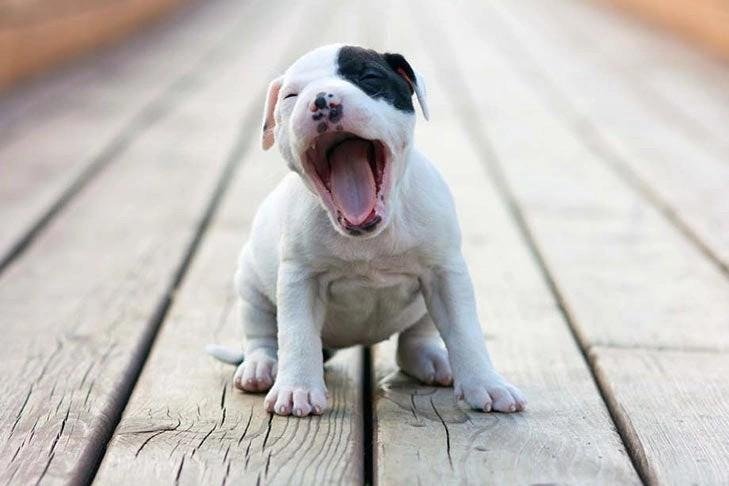
Image Source: American Kennel Club
Your American Staffordshire Terrier’s health needs constant watchfulness and active care. These dogs might look tough, but they need special attention for specific health issues throughout their lives.
Common American Staffordshire Terrier health problems
American Staffordshire Terriers are healthy dogs overall, but they face some breed-specific health challenges. Hip and elbow dysplasia are the most common bone and joint problems. These dogs’ joints don’t develop the right way, which leads to pain and movement issues.
AmStaffs often deal with skin allergies that cause itching, redness, and sometimes skin infections if left untreated. Food ingredients or things in their environment like pollen and dust mites can trigger these allergies.
Heart disease becomes more common as these dogs get older, showing up as heart murmurs or cardiomyopathy. You should watch for signs like coughing, breathing problems, and unusual tiredness.
Cerebellar ataxia sets this breed apart. This progressive nerve disorder affects how well they can coordinate their muscles. Dogs usually show signs between ages 3-6, and you’ll notice unsteady movement, strange eye movements, and balance problems.
Here are more health issues to watch for:
- Hypothyroidism – your dog might gain weight, feel tired, and show coat changes
- Progressive retinal atrophy – their vision gets worse over time
- Dental disease – this affects 80% of dogs by age two
Preventive care and vet checkups
Regular vet check-ups are the life-blood of keeping your AmStaff healthy. Yearly wellness exams help catch problems early before they become serious.
Puppies need their full set of shots to stay safe from parvo, rabies, and distemper. The right weight through careful feeding and exercise helps prevent obesity, which can make joint problems worse.
Your dog’s teeth need extra care—brush them at least twice a week to prevent gum disease. Regular testing and prevention medications keep them safe from hookworms, roundworms, heartworms, and other parasites.
Spaying or neutering your AmStaff doesn’t just prevent unwanted puppies—it also reduces their cancer risk.
Genetic conditions to screen for
AmStaffs should be tested for several genetic conditions. DNA tests can spot the ARSG mutation that causes neuronal ceroid lipofuscinosis (cerebellar ataxia). Dogs with two copies of this mutated gene will develop the condition.
X-rays help find hip and elbow dysplasia early. Of course, finding these problems soon means you can start treatment to help your dog feel better and slow down the condition.
Good breeders test their dogs for:
- Heart conditions that run in families
- Thyroid problems
- Progressive retinal atrophy
- Inherited nerve disorders
Nutrition and supplements for joint health
Joint care matters a lot for these muscular dogs. Joint supplements with glucosamine and chondroitin help keep cartilage healthy and reduce swelling. These ingredients work as building blocks for healthy cartilage and help joints move smoothly.
Fish oil contains omega-3 fatty acids that ease joint pain and stiffness. MSM (Methylsulfonylmethane) supplements also help reduce inflammation and make joints work better.
Turmeric with its curcumin fights inflammation and works as an antioxidant to help joint health. Research shows it works almost as well as NSAID pain medications.
These supplements also help older AmStaffs:
- Probiotics – boost gut and immune system health
- Bone broth – full of joint-supporting nutrients like collagen
- Milk thistle – helps protect the liver, especially important when dogs take medications
Keeping your dog at a healthy weight is vital for their joints. Extra pounds put more stress on joints, so the right diet and gentle exercise help prevent problems.
Training and Socialization Guide
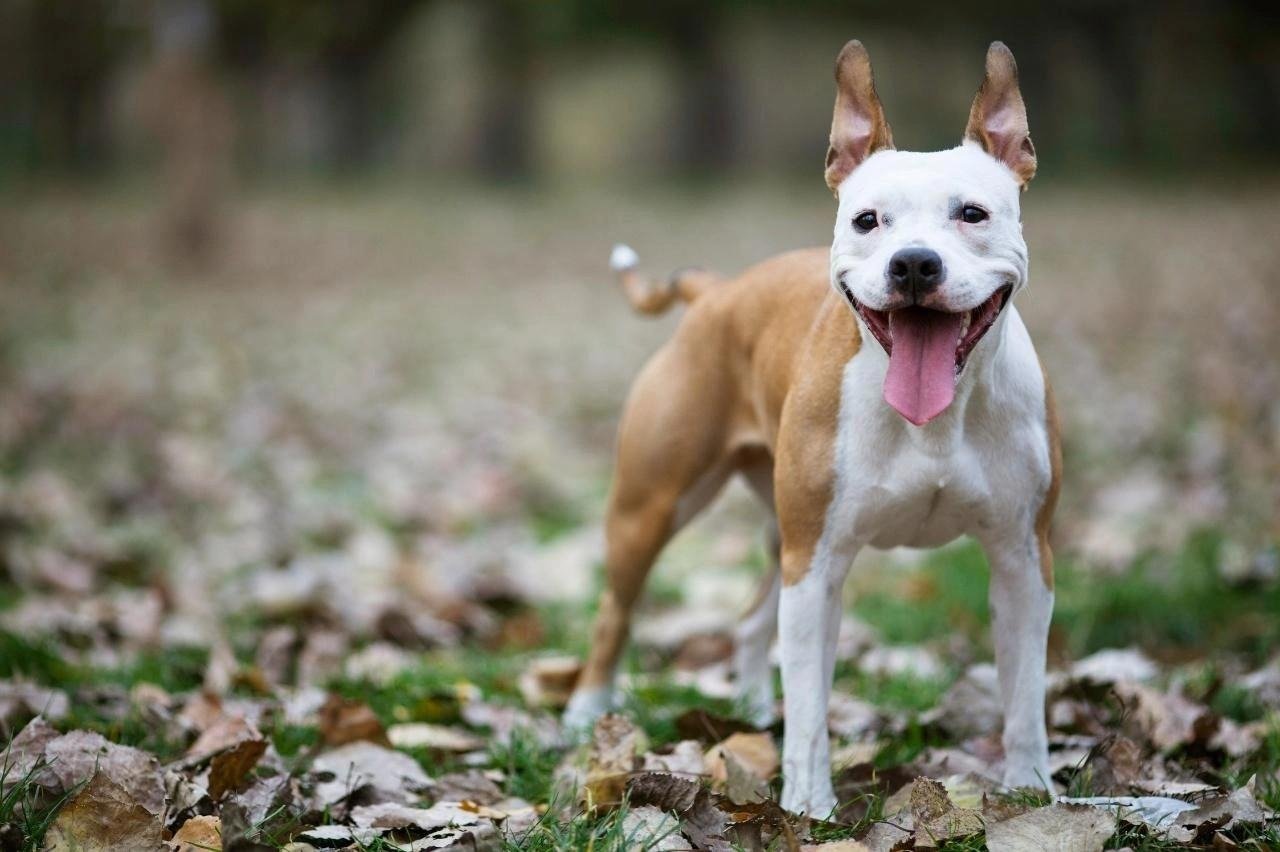
Image Source: iHeartDogs.com
Good training helps turn the naturally intelligent American Staffordshire Terrier into a well-mannered companion. Their strong-willed nature and powerful physique make early training and socialization the foundations of a balanced AmStaff.
Early socialization tips
AmStaff puppies need socialization between 3-14 weeks of age. This window shapes their confidence for adulthood. You should expose your puppy to:
- Different environments (parks, streets, pet-friendly stores)
- People of all types (children, adults of different ages and appearances)
- Other vaccinated dogs in controlled settings
- Household appliances and common sounds
These experiences help prevent fearfulness and potential aggression as they grow. Supervised interactions matter most—especially with children and other animals. Your calm demeanor during these introductions will help your puppy feel secure since they take emotional cues from their owners.
Basic obedience training
American Staffies respond best to positive reinforcement methods. Harsh discipline creates mistrust and behavioral setbacks. Teaching simple commands like sit, stay, come, and down builds trust and respect.
Short training sessions of 10-15 minutes work best since these dogs can lose focus. They learn quickly but have an independent streak, so reward-based sessions keep them engaged. Using verbal commands with hand signals creates better communication.
Consistency makes the biggest difference. Never give commands you won’t enforce—this teaches your AmStaff they can ignore you. Your genuine praise matters because dogs know fake enthusiasm from real appreciation.
Dealing with stubbornness
American Staffordshire Terriers can be incredibly stubborn. This breed doesn’t respond well to force. Turn training into games that match their playful nature.
Here’s how to handle their headstrong tendencies:
- Stay more determined than they are—without being harsh
- Keep rules and boundaries consistent
- Stay patient while reinforcing commands
- Make sure they follow through on commands
Their intelligence often shows up as selective hearing. What looks like defiance usually means they’re confused or need better motivation.
Mental stimulation and enrichment
AmStaffs need mental challenges along with physical exercise to avoid boredom behaviors like digging or chewing. Give them enrichment through:
- Puzzle toys and food dispensers
- Obedience and self-regulation exercises
- Interactive games that challenge mind and body
- New training challenges regularly
These activities prevent destructive behaviors and encourage focus during training. Mental exercise matters just as much as physical activity for a balanced American Staffordshire Terrier.
American Staffordshire Terrier Price and Adoption
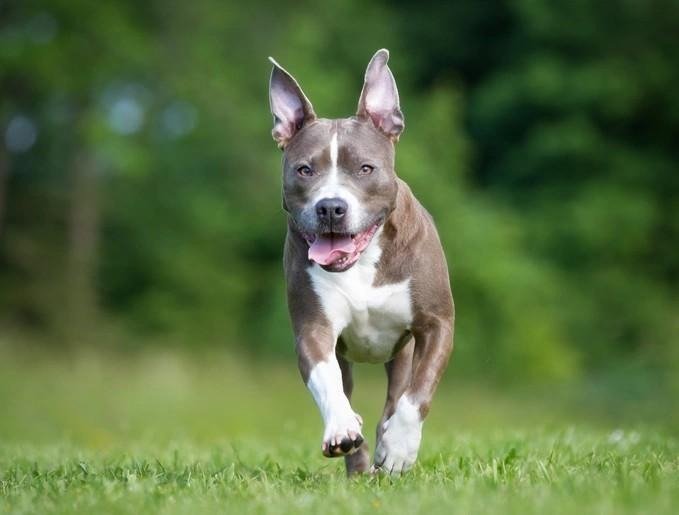
Image Source: Spot Pet Insurance
Getting an American Staffordshire Terrier comes with different costs that vary substantially based on how you choose to bring one home. The price range and adoption choices can help you make a well-informed decision.
Average American Staffordshire Terrier price in India
A purebred American Staffordshire Terrier in India costs between ₹30,000 to ₹60,000. The price can reach ₹85,000 depending on the dog’s pedigree and breeder’s reputation. The purchase price is just the start of your financial journey with your new pet.
Factors affecting cost
Several elements shape AmStaff pricing:
- Lineage and pedigree quality
- Breeder’s reputation and experience
- Health clearances and vaccinations
- Age (puppies usually cost more than adult dogs)
- Coat color (rare colors demand premium prices)
Adoption vs breeder purchase
Adoption costs much less than buying from breeders. Most shelter fees range from ₹4,219 to ₹25,314. These fees typically include original vaccinations, spaying/neutering, and simple health checks. Adoption gives you a chance to give a loving home to a deserving dog.
In stark comparison to this, breeder purchases might give you more certainty about temperament and appearance. Adoption helps reduce shelter overcrowding and saves lives.
What to look for in a reputable breeder
The best breeders put their dogs’ health before profits. Look for these qualities before you buy:
- Complete health screening documentation
- Clean, stimulating environments for puppies
- Access to meet the puppy’s parents (at least the mother)
- Support and guidance after purchase
- Real interest in their puppies’ future homes
Pros and Cons of Owning an AmStaff
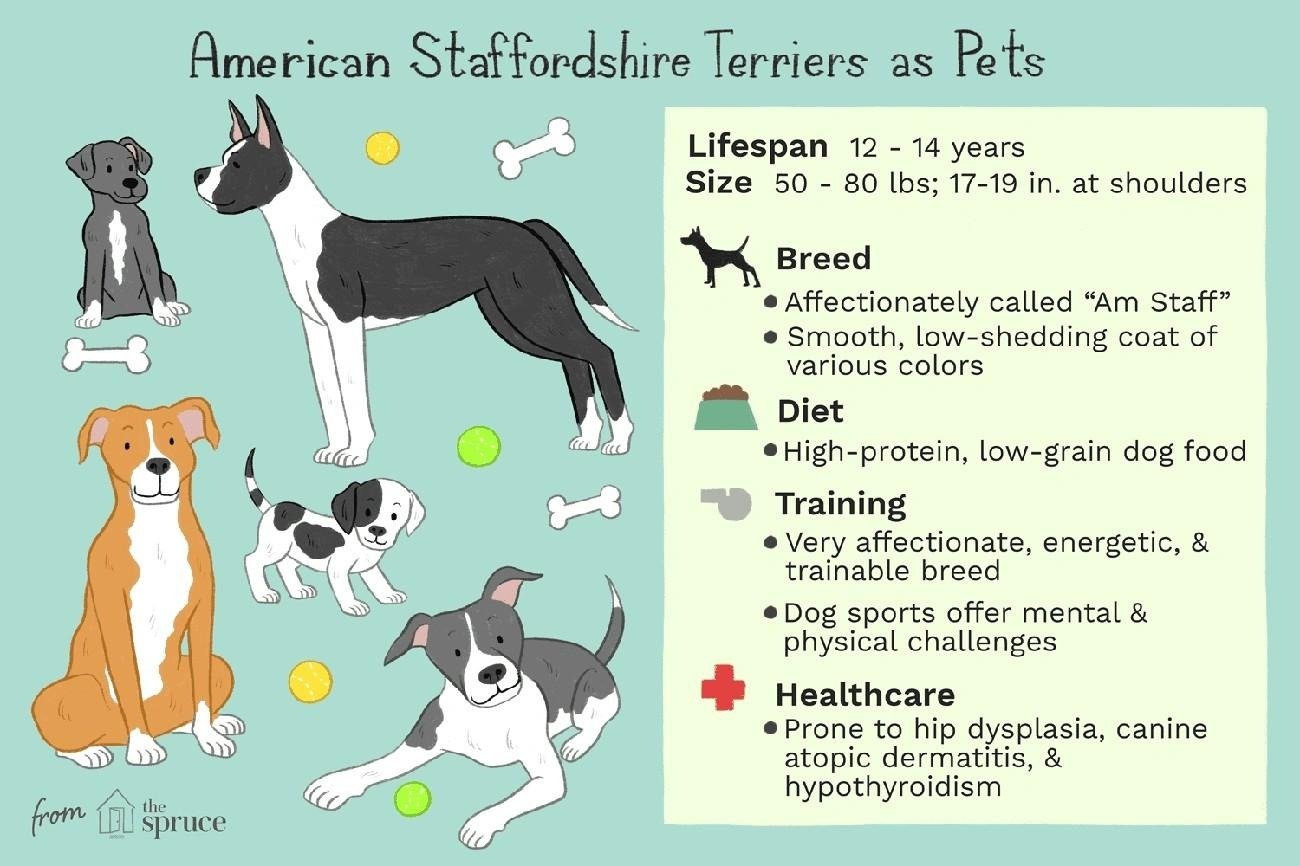
Image Source: The Spruce Pets
Owning an American Staffordshire Terrier brings both joys and challenges. A careful look at these aspects will help you decide if this powerful breed fits your lifestyle.
Pros: Loyal, intelligent, low grooming needs
AmStaffs show steadfast dedication as their standout quality. These dogs build incredibly strong bonds with their families and shower them with affection. Their sharp intelligence makes them quick learners who respond well to positive reinforcement training.
These dogs need minimal grooming – just a quick brush once a week keeps their short coat looking great. Dog owners who want a pet that’s easy to maintain will find this breed appealing.
Additional advantages include:
- Their exceptional patience and gentleness with children has earned them the endearing nickname “nanny dog”
- They make excellent watchdogs without barking too much
- They adapt well and thrive in homes of all sizes
Cons: Strong-willed, needs exercise, breed stigma
AmStaffs can be quite headstrong, which creates real challenges. First-time dog owners might struggle with their stubborn behavior. These dogs need an owner who sets clear boundaries and stays firm against their determined personality.
These energetic dogs just need at least 60 minutes of vigorous daily exercise. Dogs that don’t get enough physical and mental stimulation often become destructive – they might chew furniture or develop bad habits.
The biggest problem, without doubt, comes from systemic breed discrimination. Even though AmStaffs typically show affection, they face discrimination and breed-specific laws in some areas. New owners should prepare to defend their pets since these dogs often face unfair judgment based on looks alone.
Conclusion
American Staffordshire Terriers make remarkable companions for the right owner. These powerful yet gentle dogs blend physical strength with an affectionate, loyal nature that makes them perfect family pets. Their muscular build, short glossy coat, and distinctive head structure create a unique look that turns heads everywhere.
Without doubt, AmStaffs excel in homes that provide proper socialization, consistent training, and plenty of exercise. The breed’s intelligence and eagerness to please make training fun, though their stubborn streak demands patience. Most owners achieve the best results with positive reinforcement methods for this strong-willed breed.
Regular vet checkups help manage potential health issues like hip dysplasia, skin allergies, and heart conditions. Genetic testing before adoption can prevent hereditary problems from surfacing later. Good nutrition, joint supplements, and weight management support these dogs’ overall health throughout their 12-16 year lifespan.
Future AmStaff owners need to understand both sides of the story. The breed’s minimal grooming needs, steadfast dedication, and loving nature make them fantastic companions. Still, their exercise demands, occasional stubbornness, and social stigma create challenges that need careful thought.
Bringing an American Staffordshire Terrier home means committing to a dog that loves deeply, protects faithfully, and fills your life with joy. These dogs, whether from shelters or reputable breeders, need owners who understand their requirements and value their special traits. A good match between AmStaff and owner builds a lasting bond filled with loyalty, companionship, and mutual respect throughout the dog’s life.
Key Takeaways
Understanding the American Staffordshire Terrier means recognizing a breed that combines impressive physical strength with remarkable gentleness and loyalty.
• AmStaffs are medium-sized powerhouses: Weighing 40-70 pounds with muscular builds, they live 12-16 years and require minimal grooming despite moderate year-round shedding.
• Family-focused temperament with protective instincts: These dogs are exceptionally affectionate with children and family members while serving as excellent watchdogs when properly socialized.
• Training requires patience and positive reinforcement: Their intelligence makes them trainable, but their stubborn nature demands consistent, game-based approaches rather than forceful methods.
• Health vigilance prevents major issues: Regular vet checkups, joint supplements, and genetic screening help manage common concerns like hip dysplasia, skin allergies, and heart conditions.
• Exercise and mental stimulation are non-negotiable: AmStaffs need at least 60 minutes of vigorous daily activity plus mental challenges to prevent destructive behaviors.
• Breed stigma remains a real challenge: Despite their loving nature, owners must be prepared to face discrimination and potential housing restrictions due to widespread misconceptions.
The American Staffordshire Terrier rewards dedicated owners with unmatched loyalty and companionship, but success requires understanding their specific needs, consistent training, and commitment to overcoming societal prejudices about the breed.
FAQs
Q1. What is the typical lifespan of an American Staffordshire Terrier?
American Staffordshire Terriers generally enjoy a long life, with an average lifespan ranging from 12 to 16 years when provided with proper care and nutrition.
Q2. Are American Staffordshire Terriers prone to specific health issues?
While generally healthy, AmStaffs can be susceptible to certain conditions like hip dysplasia, skin allergies, and heart problems. Regular veterinary check-ups and genetic screening can help manage these potential health concerns.
Q3. How do American Staffordshire Terriers typically behave with children?
Well-socialized AmStaffs are known for their gentle and tolerant nature, especially with children. However, as with any dog breed, interactions between AmStaffs and children should always be supervised.
Q4. What kind of exercise do American Staffordshire Terriers require?
AmStaffs are energetic dogs that need at least 60 minutes of vigorous daily exercise. Without proper physical and mental stimulation, they may develop destructive behaviors.
Q5. Are American Staffordshire Terriers easy to train?
While intelligent and eager to please, AmStaffs can have a stubborn streak. They respond best to positive reinforcement techniques and consistent training that feels more like play than forced exercises.