
American Foxhound Breed Information: Characteristics, Behavior, Temperament, Lifespan, Weight (kg)
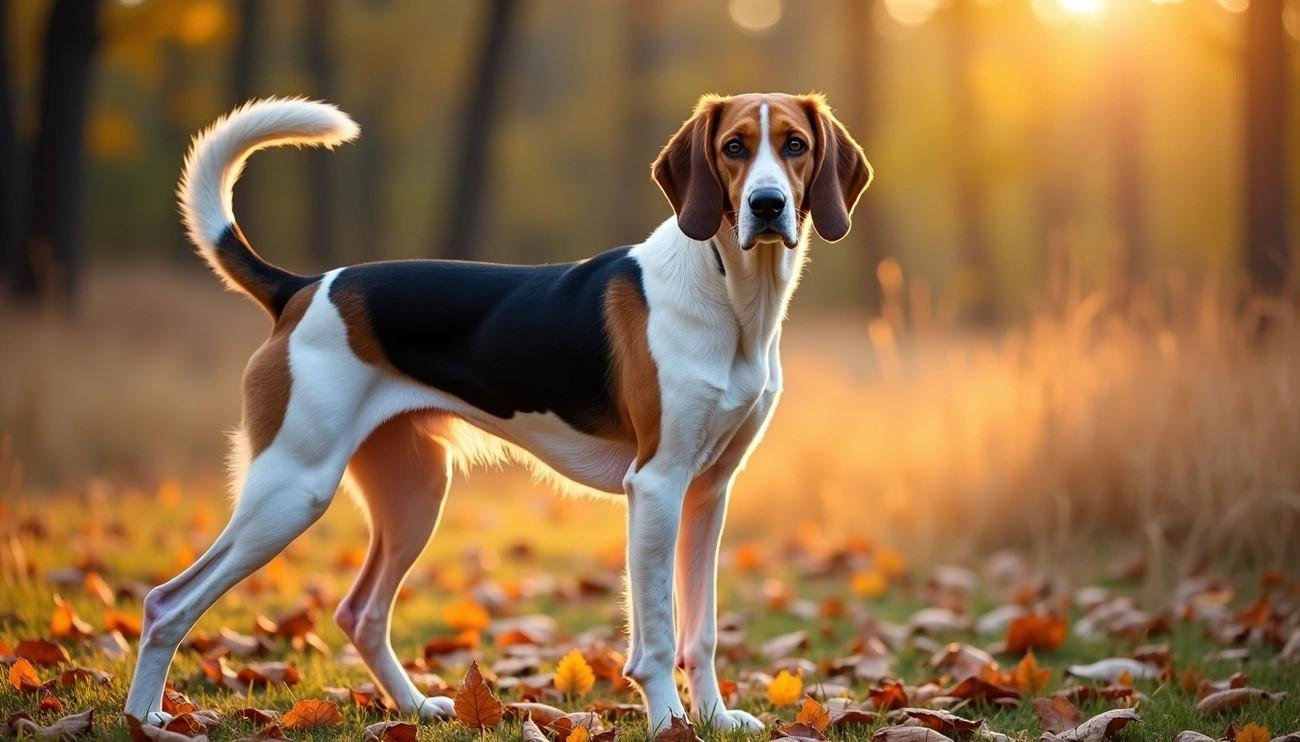
The American Foxhound is a large, energetic breed that combines a friendly nature with impressive hunting skills. These magnificent dogs stand 21 to 25 inches at the shoulder and weigh between 65 to 75 pounds, showing both power and grace. They make wonderful family companions and get along great with children, other dogs, and even cats, though they do best with experienced handlers.
These energetic dogs just need proper outlets for their boundless energy. A daily exercise routine of one to two hours keeps them happy and healthy. Grooming needs are simple – a weekly brush-up does the job. American Foxhounds are generally healthy dogs that live 11 to 13 years, giving families many years of loyal companionship. Their playful nature and distinctive voice have earned them a special place as Virginia’s official state dog. This piece explores everything a future owner should know about these amazing dogs – from their physical traits and personality to care requirements and availability in India.
Breed Overview and History
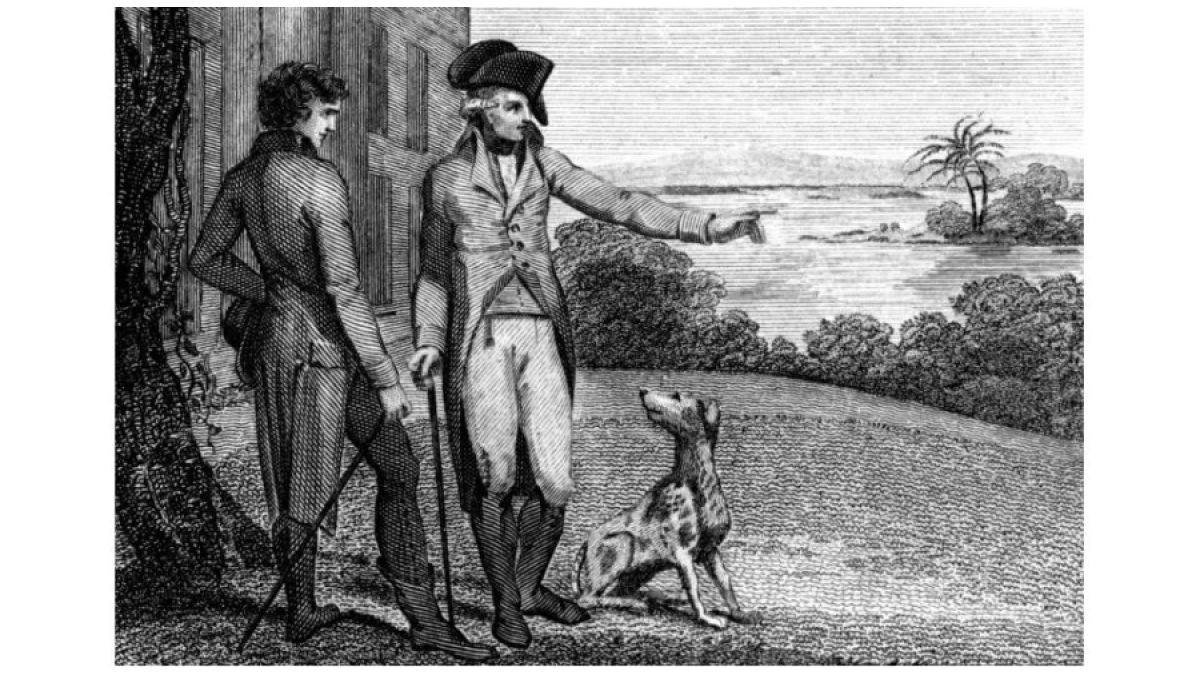
Image Source: Psychology Today
The American Foxhound’s captivating story goes back more than three centuries. This breed ranks among America’s oldest native dogs. Its roots run deep in colonial America and show the nation’s hunting heritage and early growth.
Origin of the American Foxhound
The American Foxhound’s tale started in 1650 when Robert Brooke brought his pack of hunting dogs from England to Crown Colony in North America (now Maryland and Virginia). These “Brooke Hounds” became the building blocks of what we now know as the American Foxhound breed. The Brooke family managed to keep these dogs for nearly 300 years—making it one of the longest breeding records a single family has maintained for any breed.
These hounds started out like their English cousins, but America’s big landscape called for different traits. English Foxhounds worked well in Britain’s hedge-lined countryside. However, America’s vast terrain needed faster dogs that could adapt better. Breeders started mixing various European hound types to create a uniquely American hunting dog.
Maryland and Virginia became the main breeding grounds, where fox hunting grew popular among wealthy plantation owners. These versatile dogs helped during both the Revolutionary War and Civil War by tracking enemy troops and carrying messages.
Role of George Washington in the breed’s development
The American Kennel Club names George Washington the “Father of the American Foxhound”. Our first president showed his passion not just as a military leader and statesman but also as a dedicated breeder and fox hunting enthusiast. He kept dozens of dogs at Mount Vernon and checked his kennels twice daily.
Washington left his mark on the breed’s progress. He worked hard to create “a superior dog, one that had speed, sense, and brains”—qualities he thought the new nation needed. His pack, which he named “Virginia Hounds,” earned fame for their quality.
The Marquis de Lafayette, Washington’s friend and Revolutionary War ally, played a key role in shaping the breed. Lafayette gave Washington seven French hounds as a gift in 1785. These dogs, often called Grand Bleu de Gascogne, bred with Washington’s existing pack. Washington later added eight more hounds from Philadelphia and two “Slow Pace” hounds from England.
This careful mix of English Foxhounds, French hounds, and Washington’s dogs created a new hunting breed that fit American conditions better—what we now call the American Foxhound.
Recognition and popularity
The breed’s rich history dates to the 18th century, yet the American Kennel Club didn’t officially recognize the American Foxhound until 1886. Today’s American Foxhound comes in several distinct strains, each bred for specific hunting styles or regions:
- Walker: Named after John W. Walker, known for speed and competitive field trial performance
- Trigg: Developed by Colonel Haiden C. Trigg, prized for trailing ability
- July: Descended from a renowned hound named July
- Calhoun: Named after J.L. Calhoun
- Goodman: Developed by Lemuel Goodman
- Penn-Marydel: Popular in Pennsylvania, Maryland, and Delaware regions
These strains might look different, but they all belong to the American Foxhound family.
The breed shares deep ties with Revolutionary heroes and old Virginia’s estates—even becoming Virginia’s state dog. Yet these dogs rarely serve as pets. Throughout history, people valued them more for their hunting skills than as companions.
The American Foxhound stands as evidence of early American innovation. It shows how a young nation adapted Old World traditions to New World challenges. These dogs’ sleek, rangy builds and famous speed, endurance, and work ethic capture the spirit of American adaptation and excellence.
Physical Characteristics and Appearance

Image Source: Yahoo
The American Foxhound shows off an athletic silhouette with its sleek, rangy body and long legs. These dogs are built to last and run fast. Their physical features showcase their hunting background, blending practicality with graceful proportions that let them chase prey for hours.
Size and height range
American Foxhounds have a medium to large frame, and males stand taller than females. The breed standards say male American Foxhounds measure 22 to 25 inches (53-64 cm) at the withers, while females are a bit shorter at 21 to 24 inches (53-61 cm). Many American Foxhounds—especially show dogs—grow bigger than these standards. Males reach 26 to 29 inches (66-74 cm) and females 25 to 28 inches (64-71 cm).
These dogs’ body length runs from 28 to 32 inches (71-81 cm), with height between 27 and 31 inches (69-79 cm). Their rectangular shape creates a long, fluid stride that defines the breed.
American Foxhound weight in kg
American Foxhounds should maintain weight that matches their height for a balanced look. Males usually weigh between 65 to 70 pounds (29-32 kg), and females are lighter at 60 to 65 pounds (27-29 kg).
Some dogs weigh less than standard guidelines. Weights range from 45 to 75 pounds (20-34 kg) based on the dog’s build and family line. Show dogs often look heavier and more substantial. Working hounds stay leaner and more athletic for speed and stamina.
Coat type and texture
American Foxhounds have a practical coat that suits their working background. Their short to medium-length coat stays close to the body. The hard and straight coat protects them from brush during hunts.
This coat type helps owners too. Breed experts call it a “close, hard hound coat” with a glossy look. The neck might have slightly longer fur that forms a light ruff, and the tail sometimes shows a slight brush. The coat stays even throughout the body without fringe or feathering.
Common American Foxhound colors
American Foxhounds come in many colors, though some patterns stand out more. Most dogs show a tricolor pattern of black, white, and tan. The main combinations include:
- White, black and tan: Most dogs have a white base coat, tan on the back, head, and outer legs, with a black saddle pattern
- Black, white and tan: Black stands out more than tan in this mix
- White and cream: The tan looks more like sandy cream
- Red: The tan takes on a warm reddish tone
The AKC accepts all coat colors for the breed. Some dogs come in solid white (rare cases), brown/white/tan mixes, and sometimes blue-tinted coats.
Distinctive features
American Foxhound lovers spot these dogs by several unique traits. The head looks somewhat long with a slight dome. Their large, soft eyes sit far apart and show what breed experts call a “gentle, pleading expression”.
The breed’s trademark ears hang low on the skull, reaching almost to the nose when pulled forward. These long, droopy ears stay close to the head, sometimes with slight rolls at the edges.
A long, straight muzzle leads to a large black or matching-colored nose with wide nostrils. The neck shows good length with a slight arch that flows into muscular, sloped shoulders. The tail curves gently with a slight brush at the tip, and the ears bounce “like wings” during runs.
American Foxhounds look different from their British relatives. They have longer, finer-boned legs and a slightly arched back end. This creates an athletic look perfect for covering America’s big landscapes.
American Foxhound Temperament and Personality
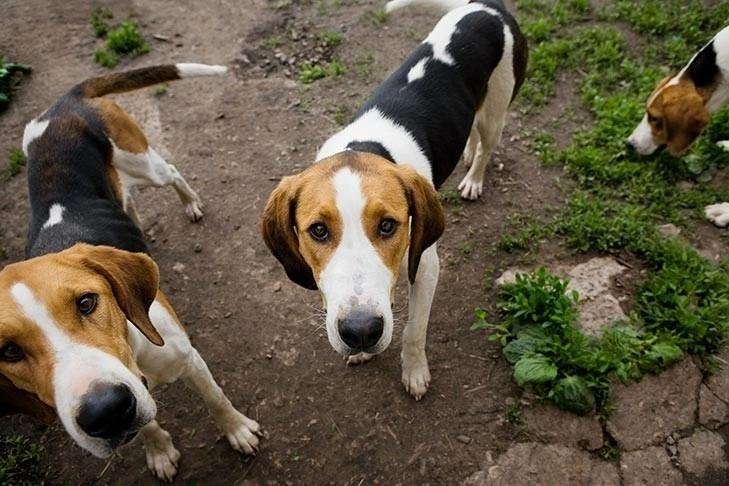
Image Source: American Kennel Club
American Foxhounds combine sleek looks and hunting skills with a distinctive temperament that blends friendliness and an independent spirit. These versatile dogs have unique personality traits that make them rewarding companions, though they can sometimes be challenging housemates.
General temperament traits
American Foxhounds have a sweet and docile nature that captures the hearts of breed enthusiasts. These gentle and relaxed dogs come with an affectionate personality. The American Kennel Club calls them “good-natured, low-maintenance hounds”.
These dogs usually display:
- A friendly, patient nature
- A balanced affection with their families
- An independent streak that can show up as stubbornness
- A relaxed attitude in most situations
Their temperament comes from their hunting roots. Bred to work on their own yet cooperate in packs, they developed both self-reliance and social skills. This balance means they’re neither clingy nor distant – a quality many owners love.
Behavior with family and children
Family settings bring out the best in American Foxhounds. They build strong connections with their humans and show amazing patience with kids of all ages. Their gentle nature makes them great companions for families with children, and they love playing interactive games.
These hounds show moderate rather than overwhelming affection. You’ll see their love through gentle nudges, playful behavior, and their desire to stay close to family members. They become “mild-tempered, loving, and devoted companions” in home environments.
Regular exercise and training help American Foxhounds fit right into family life. They like routines but can adapt to household changes. Their loyalty runs deep, making them reliable companions for everyone in the family.
Interaction with other pets
American Foxhounds’ pack-hunting background helps them get along great with other dogs. They enjoy canine company and do well in homes with multiple dogs. This social side extends to other pets too – with proper introductions and training, they can live peacefully with cats and other household animals.
Small animals need extra attention because of these dogs’ strong prey drive. Well-trained Foxhounds can learn to live with smaller pets, but they shouldn’t be left alone with them. Early socialization makes a big difference in how well they interact with all household pets.
American Foxhound personality quirks
American Foxhounds have several unique traits that future owners should know about:
Their independent nature often appears as stubbornness during training. Smart as they are, they might follow their own path instead of commands. This comes from their hunting background where thinking independently was crucial.
These dogs love to vocalize with a distinctive howl. This musical baying helped during hunts but might not work well in apartments or quiet neighborhoods.
Their powerful nose gives them a strong urge to wander. A Foxhound might follow an interesting scent and ignore all calls to return. That’s why they need to stay on leash in unsecured areas.
These dogs need plenty of physical and mental exercise to avoid problems like destructive chewing or too much howling. Their high energy requires one to two hours of engaging exercise each day.
These quirks paint a picture of the real American Foxhound – a friendly, energetic companion with an independent spirit and steadfast dedication to their loved ones.
Behavioral Traits and Prey Drive
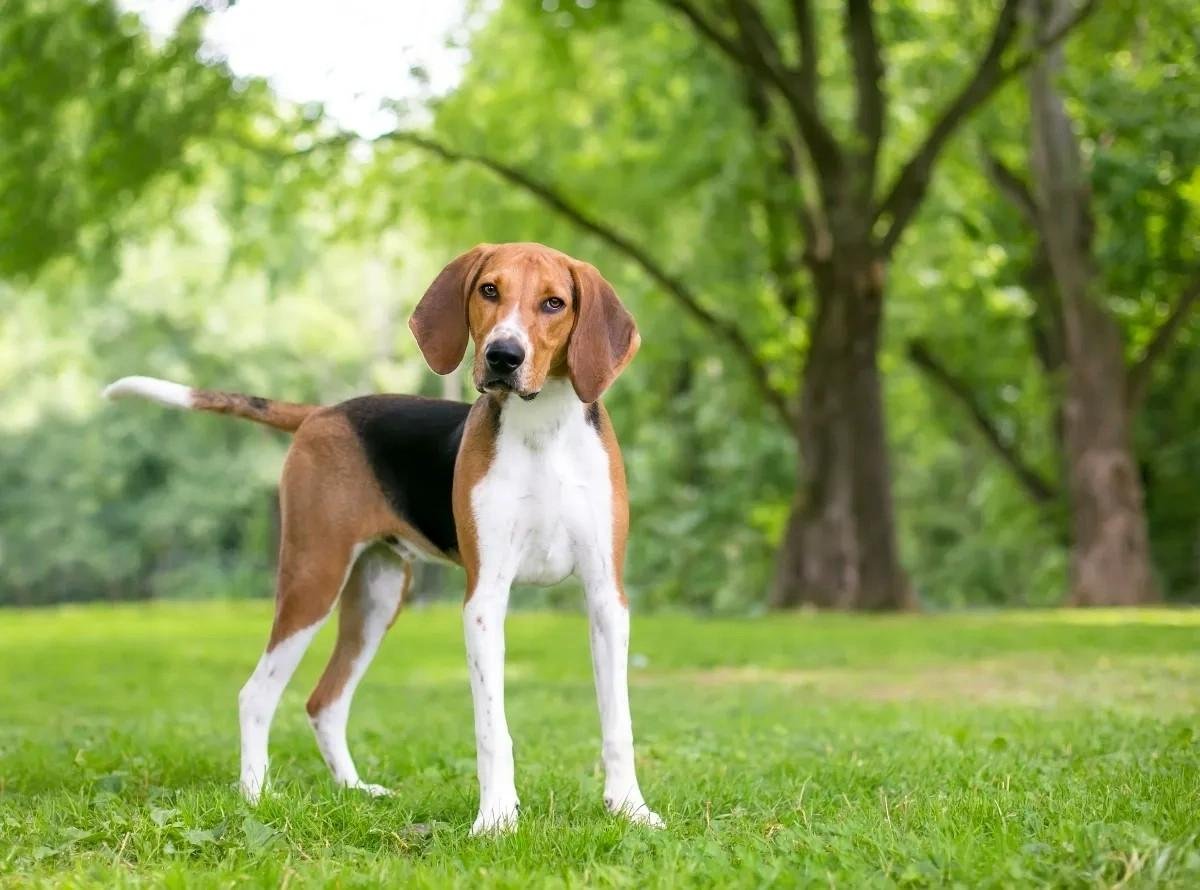
Image Source: Healthy Paws
American Foxhounds showcase centuries of refined hunting abilities through their nose and instincts. These amazing dogs have traits that make them outstanding hunting partners, though they can challenge their owners in unique ways.
Hunting instincts and scent tracking
These dogs rely on scent rather than sight to explore their world. Their talent as scent hounds shows in their tracking abilities and exceptional sense of smell. Nature supports this gift – their long, drooping ears help collect scents, while their shorter height keeps them close to ground-level smells.
Breeders developed these dogs specifically to chase foxes for hours on end. Their stamina stands out – during field trials, Foxhounds have tracked scents for 10-12 hours non-stop and covered many miles without rest.
Every American Foxhound carries a strong prey drive in their DNA. This deep-rooted instinct makes them:
- Brave and determined hunters
- Laser-focused while tracking scents
- Hard to call back once they smell something interesting
Training helps these dogs live peacefully with cats and smaller pets, but they need constant supervision. Even the most social Foxhounds keep their powerful hunting instincts.
Tendency to bark or howl
American Foxhounds love to make noise – it’s part of their hunting heritage. Beyond regular barking, they’re known for their special baying. Hunters relied on this deep, musical howl to find their dogs from far away.
Their howl sounds more like singing than barking. People can hear it from miles around, which creates problems in cities and apartment buildings. New owners often don’t realize just how vocal these dogs can be.
American Foxhounds bark and bay:
- After picking up a scent
- To talk with other hunting dogs
- Because of strange sounds or threats
- From boredom or frustration
Neighbors might complain about noise if these dogs don’t learn proper vocal control.
Wanderlust potential
American Foxhounds take wanderlust to new heights. An interesting scent can lead them miles away while they completely tune out their owner’s calls.
This independent streak comes from their history – they learned to work without constant human guidance. Letting them off-leash in open areas puts them at risk. Once they catch a scent, they might run off and ignore all commands to come back.
American Foxhound owners must:
- Keep them on a leash outside fenced areas
- Build secure fences (electric ones won’t work)
- Never let them run free in open spaces
- Think about using GPS tracking collars
Strong scents override their fear of shock from invisible fences.
Suitability for apartment living
American Foxhounds rarely fit well in apartment life. Several things make this match difficult:
These dogs need 1-2 hours of hard exercise every day. Without enough activity, they turn destructive – howling too much, chewing things up, pacing around, or trying to dig their way out.
Their loud voice echoes through apartment buildings. Other residents might not appreciate their baying, especially when it starts because of random noises.
American Foxhounds do best with plenty of running and exploring space. While some might adapt to apartments if their owners stay super active, experts say city or apartment life “doesn’t work well unless you’re incredibly active”.
Success in an apartment depends on lots of exercise, mental challenges, and training to control their voice. Both dog and owner face tough times without meeting these needs.
Lifespan and Common Health Issues
American Foxhounds are healthier than many purebreds and have fewer genetic problems than modern breeds. Their resilient constitution comes from their practical working heritage that has preserved their functional soundness.
Average American Foxhound lifespan
These dogs live between 11-13 years and give their owners more than a decade of loyal companionship. Some experts say these hardy canines can live up to 15 years with good care. Most stay active and mobile into their senior years if they keep fit. Their working heritage adds to this longevity because the breed evolved to focus on function rather than looks.
American Foxhounds maintain good health throughout their lives better than many other purebred dogs of similar size. Their working dog background helps preserve their structural soundness and lets them stay active longer than other breeds.
Genetic health concerns
These dogs are generally healthy but may face several breed-specific conditions:
Thrombocytopathy is the most important concern unique to this breed. This blood platelet disorder affects clotting and can cause excessive bleeding from minor cuts or wounds. Dogs may show blood in urine or stool, nosebleeds, and unusual bleeding at wound sites.
Hip dysplasia affects American Foxhounds less often than other large breeds. The condition happens when the femur and pelvis don’t fit well together. This causes uneven cartilage wear that can lead to painful arthritis or lameness later in life.
Ear infections happen often because their floppy ears limit airflow and trap moisture. You might notice yellowish discharge, bad smell, head shaking, or ear scratching.
Pelger-Huet anomaly, an inherited white blood cell disorder, mostly affects American Foxhounds. The common form shows no clinical signs and shows up in routine blood tests.
These dogs can also develop hypothyroidism, dental disease, and obesity.
Preventive care and vet checkups
Regular vet care is the life-blood of your American Foxhound’s health. Regular checkups help find potential issues early, keep vaccinations current, and provide preventative treatments.
You can spot problems early with weekly home checks that focus on the ears. These dogs often get ear infections, so clean their ears with vet-approved products regularly, especially after swimming or baths.
Weight control matters throughout their lives. A healthy weight prevents joint strain and reduces hip dysplasia risk. Good dental care is vital since dental disease affects all but one of these dogs by age two. American Foxhounds need extra attention in this area.
Signs of aging in Foxhounds
American Foxhounds show several changes as they enter their senior years around age 8. Reduced mobility is the biggest problem – they walk shorter distances, avoid stairs, or take time to sit.
Physical changes include:
- Cloudy eyes or bumping into objects that indicates vision changes
- Weight shifts from less activity or muscle loss
- Fatty deposits under the skin
- Dental problems showing up as bad breath or eating discomfort
Their behavior might change with more sleep, anxiety, confusion, or nighttime barking. Some develop canine cognitive dysfunction syndrome and show signs like pacing, confusion, or fear of familiar objects.
Grooming and Maintenance Needs
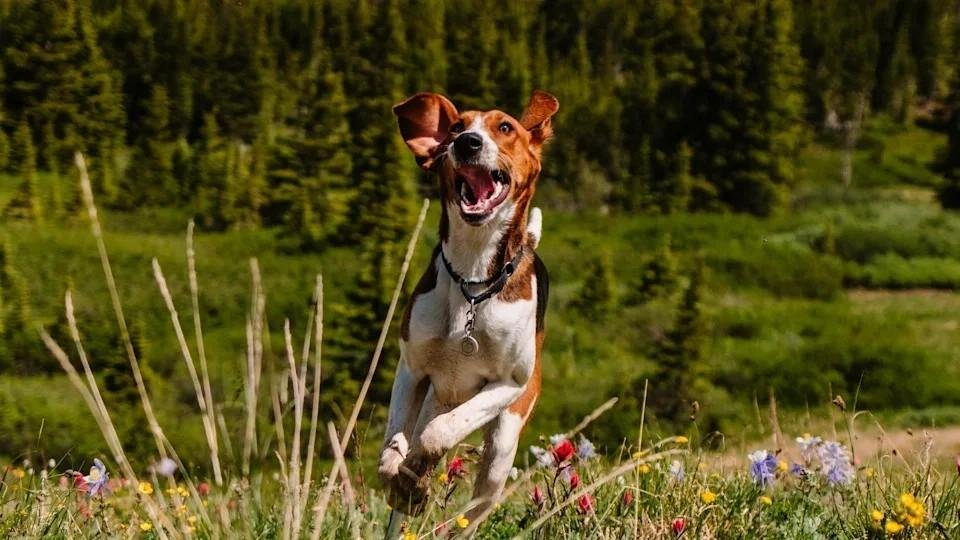
Image Source: Holistapet
American Foxhounds need minimal grooming effort. Their practical working background means you won’t spend hours on complex grooming routines.
Brushing and coat care
The American Foxhound’s coat looks handsome with its short, hard texture that lies close to the body. This natural design protects them from underbrush while hunting. You’ll only need a quick weekly grooming session to keep their coat looking great. Several tools work well:
- Bristle brush
- Rubber grooming mitt or tool
- Hound glove
Weekly brushing spreads natural skin oils through the coat. It removes dirt and keeps their coat shiny. Your dog might need more frequent brushing during shedding seasons. The coat’s tough texture shields them as they run across rough terrain, and it demands little maintenance in return.
Bathing frequency
American Foxhounds don’t need frequent baths like other high-maintenance breeds. Most experts suggest bathing only at the time your dog gets visibly dirty or muddy from outdoor adventures. The natural oils in their skin stay balanced better with fewer baths, so it’s best to bathe them only as needed.
Ear and dental hygiene
American Foxhounds can develop ear infections easily [link_1], so their ears need regular attention. Their floppy ears tend to trap moisture and debris that could lead to infections. Check and clean their ears weekly. Take them to a vet right away if you notice redness, odd smells, pain, or itching in their ears.
Good dental care matters too. Brush their teeth 2-3 times each week to prevent tartar, bacteria, and gum problems. Daily brushing gives the best results for oral health. Their nails need regular trimming unless they wear down naturally through activity.
Shedding and drooling tendencies
These dogs shed moderately throughout the year [link_2]. Even with short coats, they shed enough that regular brushing helps control loose hair. The good news is they barely drool. Their “very low drooling tendency” makes them perfect for people who like clean homes. This neat characteristic makes them excellent house companions.
Training and Exercise Requirements
Getting skilled at handling an American Foxhound takes patience and a deep grasp of their mindset. These smart, independent dogs reward dedicated owners while testing their resolve.
Training challenges and tips
American Foxhounds show their stubborn, independent nature and make training a test of patience. Their keen nose guides them to distraction, especially when they detect compelling scents.
These tips help training succeed:
- Reward good behavior with treats and praise
- Make training fun and brief
- Start in quiet spaces without distractions
- Professional obedience classes might help
- Be their calm yet firm pack leader
Starting training early and exposing them to different settings promotes good behavior, especially in non-hunting households.
Exercise needs and daily routines
American Foxhounds need 1-2 hours of intense exercise each day. Boredom turns them destructive without enough activity. They thrive with:
- Long walks or jogs
- Running in fenced yards
- Hiking or tracking games
- Swimming
Mental stimulation and enrichment
American Foxhounds crave mental challenges beyond physical exercise. Puzzle toys and scent games keep their sharp minds engaged. These dogs shine in sports like tracking, rally, and coursing ability tests.
Socialization strategies
Early exposure to different environments, people, and animals shapes these dogs. Their adaptability and confidence grow through varied experiences. Good socialization turns American Foxhounds into balanced companions who get along well with other pets and people.
American Foxhound Price and Availability in India
Getting an American Foxhound in India takes time and research since these dogs aren’t commonly found across the country.
Average American Foxhound price in India
The cost of American Foxhound puppies ranges between ₹40,000 to ₹60,000 in India. This original investment makes up just one part of the total expense. Pet owners should expect to spend ₹60,000 to ₹90,000 yearly on veterinary care.
Factors affecting cost
The final price of an American Foxhound depends on several key factors. Puppies generally command higher prices than adult dogs. The dog’s health status, medical history, and pedigree documentation play crucial roles. Location within India and the breeder’s reputation also affect pricing.
Each grooming session costs about ₹500-1,000. Training costs vary from ₹5,000 for simple obedience classes to ₹30,000 for detailed programs.
Where to find American Foxhound puppies
These dogs can be found in cities like Mumbai, Pune, Chennai, Lucknow, Patna, Ahmedabad, Chandigarh, Guwahati, Vadodara and Rajkot. Buyers should carefully research breeders since the breeding industry lacks proper regulation.
Adoption vs buying
Adoption provides more benefits than just saving money. India’s street dog population stands at 35 million, and many need loving homes. The purchase of dogs often supports questionable breeding practices. Many breeders in India separate puppies from their mothers before the recommended 90-day mark. Reliable breeders should give health certificates, vaccination records, and proper socialization details.
Conclusion
American Foxhounds are amazing examples of American breeding history that perfectly balance elegance and functionality. These dogs have evolved from colonial hunting companions to family pets over the last several years while keeping their core traits intact. Their energy, melodious voice, and independent spirit set them apart from many modern breeds.
Anyone looking to get an American Foxhound should think about a few key things. These dogs just need lots of daily exercise—at least 1-2 hours of intense activity—to avoid destructive behaviors that come from boredom. Their strong prey drive and tendency to wander mean you’ll need secure fencing and consistent training early on.
The right homes will find many advantages with American Foxhounds. These dogs usually stay healthy with fewer genetic problems than other purebreds and live 11-13 years. Their short coat is easy to maintain—a weekly brush and bath when needed does the job. Their gentle, patient nature makes them great companions for active families with children and other pets.
Getting an American Foxhound in India takes careful research. Prices typically range from ₹40,000 to ₹60,000 based on lineage, health, and the breeder’s reputation. Adoption is worth thinking about if you want to give a loving home to a dog in need.
American Foxhounds might not be the best fit for first-time dog owners or apartment living because they need lots of exercise and love to bark. But families with active lifestyles and secure outdoor spaces will find an affectionate, loyal companion with deep roots in American history. These magnificent hounds weigh between 27-32 kg when fully grown and reward dedicated owners with their playful spirit and steadfast dedication throughout their lives.
Key Takeaways
American Foxhounds are energetic, independent dogs with rich American heritage that require dedicated owners who understand their unique needs and characteristics.
• American Foxhounds need 1-2 hours of vigorous daily exercise and secure fencing due to their strong prey drive and wanderlust tendencies.
• These dogs are excellent family companions, gentle with children, but their loud baying makes them unsuitable for apartment living.
• With minimal grooming needs (weekly brushing) and robust health, they live 11-13 years with fewer genetic issues than many purebreds.
• In India, expect to pay ₹40,000-60,000 for puppies, plus ₹60,000-90,000 annually for veterinary care and maintenance.
• Their independent, stubborn nature requires patient training with positive reinforcement, making them better suited for experienced dog owners.
American Foxhounds reward active families with secure yards and patience for training with loyal companionship, but their exercise demands and vocal nature make them challenging for first-time owners or urban dwellers.
FAQs
Q1. What are the key behavioral traits of American Foxhounds?
American Foxhounds are generally friendly and easygoing, but they can also be stubborn and independent. Their strong hunting instincts and powerful sense of smell can make them challenging to train and keep focused. They typically require patient, consistent training and may not be reliable off-leash due to their tendency to follow scents.
Q2. How long do American Foxhounds typically live?
The average lifespan of an American Foxhound is 11 to 13 years. With proper care, nutrition, and regular veterinary check-ups, these generally healthy dogs can enjoy a good quality of life throughout their senior years.
Q3. What is the ideal weight range for an American Foxhound?
Male American Foxhounds typically weigh between 65 to 70 pounds (29-32 kg), while females are slightly lighter at 60 to 65 pounds (27-29 kg). However, weights can vary depending on the individual dog’s build and lineage, ranging from 45 to 75 pounds (20-34 kg).
Q4. What diet is recommended for American Foxhounds?
American Foxhounds thrive on a balanced diet tailored to their life stage and energy needs. This typically includes high-quality proteins, healthy fats, and essential vitamins and minerals. Some owners incorporate vegetables and berries for added fiber. It’s important to consult with a veterinarian to determine the best diet plan for your individual dog.
Q5. How much exercise do American Foxhounds require?
American Foxhounds are energetic dogs that need substantial daily exercise – typically 1 to 2 hours of vigorous activity. This can include long walks, jogging, running in a securely fenced area, hiking, or swimming. Without adequate exercise, they may become bored and develop destructive behaviors.