
American Akita Breed Information: Characteristics, Behavior, Temperament, Lifespan, Weight
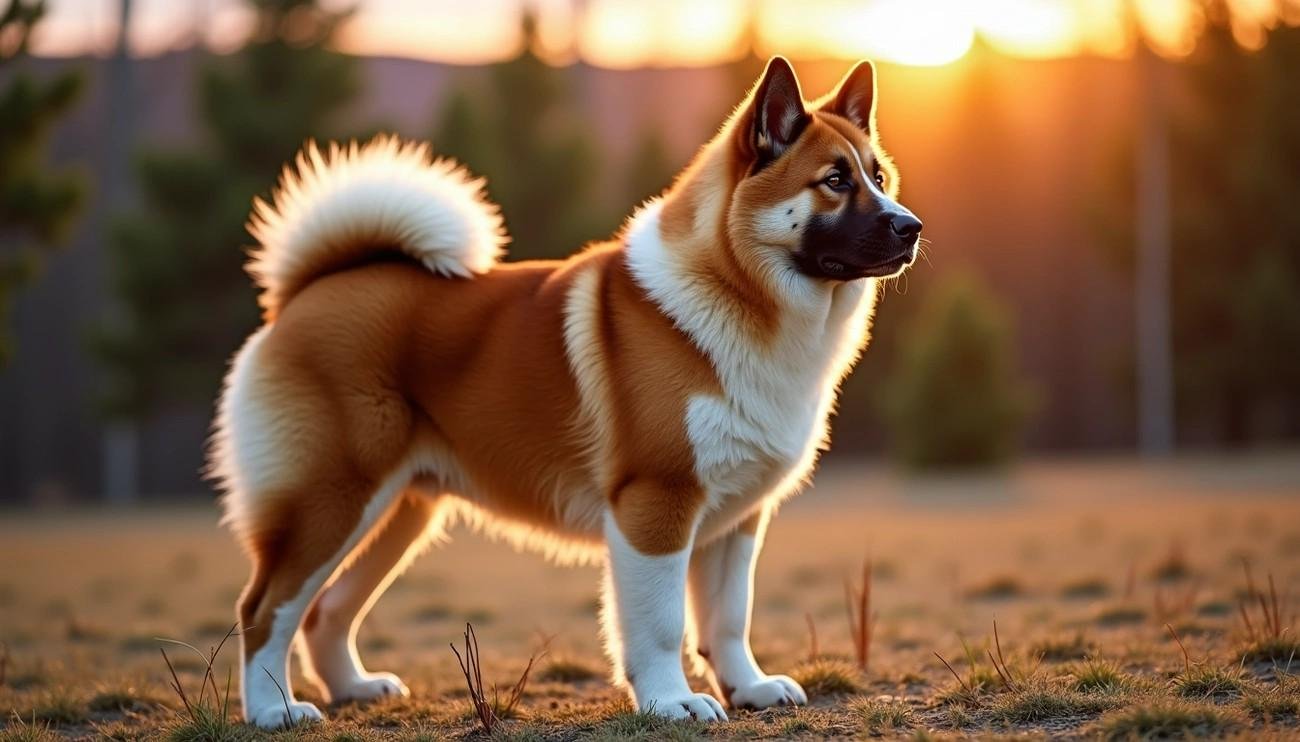
American Akitas command attention through their impressive size and dignified bearing. These powerful dogs tip the scales at 100-130 pounds for males and 70-100 pounds for females. Males stand 26-28 inches tall while females reach 24-26 inches in height.
The breed’s lifespan stretches from 10-15 years[-4], and these dogs show remarkable loyalty to their families. Their strong-willed nature demands dedicated care and proper training. The breed’s price in India ranges from ₹30,000 to ₹1,50,000, which varies based on bloodline quality, breeder’s reputation, and pedigree. Monthly care costs average ₹5,700 for simple necessities.
This piece offers complete details about the American Akita’s traits, behavior, temperament, and everything in care requirements that will help you decide if this magnificent breed belongs in your home.
Breed Origin and History
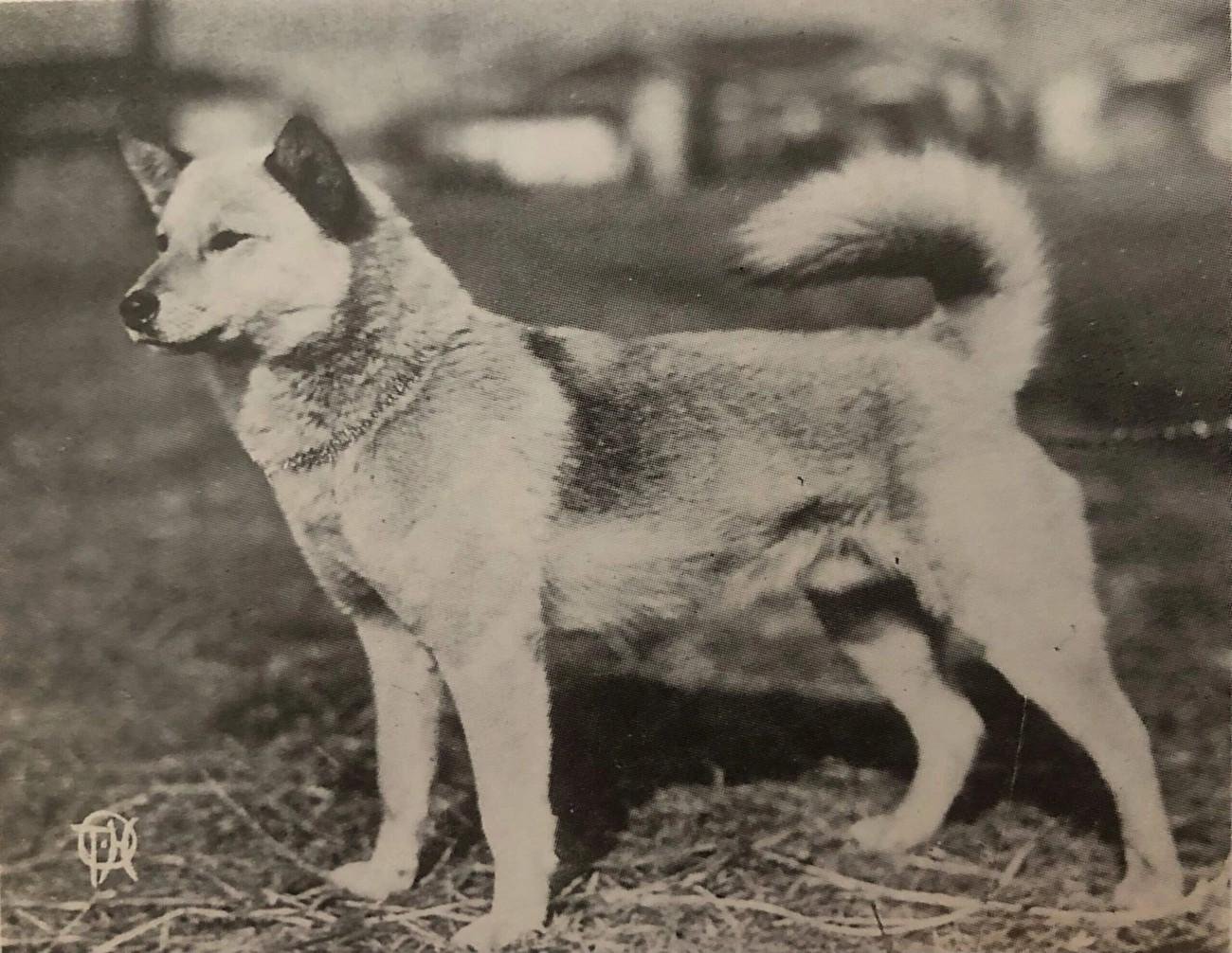
Image Source: Japanese Akitainu Club of America
The American Akita’s roots go back several centuries to the rugged mountains of northern Japan. These powerful dogs started as hunting companions in Japan’s harsh climate, where people prized them for tracking and hunting large game like bears and boars. They grew from medium-sized hunting dogs called Matagi-inu into the impressive canines we know today.
Where the American Akita comes from
The breed’s remarkable story starts in Japan’s northernmost prefecture of Akita. The challenging terrain and severe winters shaped their reliable physique and tough character. These dogs served many roles in Japanese society – from hunting partners to guards for nobility. The 17th century saw their status rise as they became exclusive companions to Japanese nobility and samurai warriors.
World War II marks the beginning of the modern American Akita’s story. The war nearly wiped out the breed, leaving only approximately 16 purebred dogs in Japan. American servicemen in Japan during the occupation fell in love with these magnificent animals and brought them to the United States. These soldiers saw the breed’s intelligence and adaptability, which led to what we now call the American Akita.
Helen Keller played a crucial role in bringing the breed to America. She received the first Akita in the United States as a gift from the Japanese government in 1937. The breed really took off in the 1950s when more servicemen brought dogs home from Japan.
Difference between American and Japanese Akita
The breed split into two types after World War II: the Japanese Akita (Akita Inu) and the American Akita. The Fédération Cynologique Internationale made this split official in 1999 by recognizing them as separate breeds.
These breeds have several key differences:
- Appearance: American Akitas are larger with a more robust build and bear-like head. Japanese Akitas have a more fox-like face with a slender frame.
- Coloration: American Akitas come in various colors and patterns including pinto markings and black masks. Japanese Akitas only come in red, white, or brindle colorations.
- Size: American Akitas have heavier bones and larger proportions than their Japanese cousins.
Different breeding priorities created these differences. Japanese breeders kept the traditional Akita Inu characteristics while American breeders chose size and a more substantial appearance.
Cultural significance and symbolism
Japan considers the Akita one of seven breeds designated as a National Monument. These dogs mean more than just their physical strength – they carry deep cultural meaning. Japanese families often get a small Akita statue when a child is born to represent health, happiness, and longevity. People also send these statues to sick friends as a wish for recovery.
The story of Hachikō best shows the Akita’s cultural importance. This loyal dog waited at Shibuya Station for nine years after his owner died, becoming a symbol of dedication. His incredible loyalty touched hearts in Japan and helped spread the breed’s fame worldwide.
The American Akita Kennel Club started in 1956 (first called the Akita Kennel Club), and the American Kennel Club officially recognized the breed in 1972. The next year, Akitas joined the Working Group for regular shows, securing their place in American dog culture.
The American Akita carries this rich heritage today, showing the same dignified bearing, impressive strength, and steadfast loyalty that has marked the breed for centuries.
Physical Characteristics of the American Akita

Image Source: Chocolate Lab
The American Akita engages viewers with its imposing physique and powerful presence. This large spitz-type dog radiates strength and dignity through every physical attribute, from its substantial frame to its distinctive facial features.
Size and weight of full grown American Akita
American Akitas stand tall and proud with an impressive stature. Males typically measure 26-28 inches (66-71 cm) at the withers, while females reach 24-26 inches (61-66 cm). Their weight matches this height difference.
Adult males pack more weight, ranging between 100-130 pounds (45-59 kg). Females weigh between 70-100 pounds (32-45 kg). These measurements showcase a dog with heavy bones and muscular build.
American Akitas’ balanced proportions make them stand out. Their bodies appear well-proportioned and slightly longer than tall. A compact, muscular frame adds to their commanding presence.
Coat types and color variations
American Akitas sport a thick double coat that serves both function and beauty. Two distinct layers make up this coat—a coarse, straight outer coat that stands off from the body and a soft, dense undercoat that provides insulation.
The breed’s coat lacks a prominent ruff or feathering, unlike other double-coated breeds. This creates a clean, simplified appearance despite their substantial coat.
American Akitas display remarkable color diversity. The breed standard welcomes all colors and patterns, creating stunning variety. Common color variations include:
- Solid colors: White, black, and various shades of red or fawn
- Brindle patterns: Dark stripes over lighter background colors
- Pinto markings: Patches of color on white backgrounds
- Masked varieties: Dark areas around the muzzle area
Pure white American Akitas look striking, though slight red shading often appears in their coats. Brindle patterns create unique striping effects that vary between dogs. The undercoat’s color often differs from the outer coat, adding visual depth.
Unique features: bear-like head and curled tail
The American Akita’s broad, massive head ranks as its most distinctive feature, often called “bear-like”. This polar bear comparison rings true, as the breed shows off a powerful jaw, broad skull, and distinctive facial structure.
Small, dark, deeply set eyes with a triangular shape give the breed its alert, dignified expression. These eyes combine with erect, triangular ears that sit at a slight angle following the neck’s arch to create an unmistakable profile.
The Akita’s tail serves as another signature feature. It curves proudly over the back, forming either a gentle or double curl down the loin. Each Akita’s tail curl pattern remains unique, adding to their individual character.
Thick, well-knuckled, cat-like feet complete the breed’s practical adaptations from its mountainous origins. These features work with their powerful neck, deep chest, and strong limbs to create a dog built for strength and endurance.
American Akitas have grown larger and more imposing than their Japanese cousins through selective breeding. A 30-pound difference separates these two breeds, marking one key distinction between American and Japanese varieties.
American Akita Temperament and Behavior
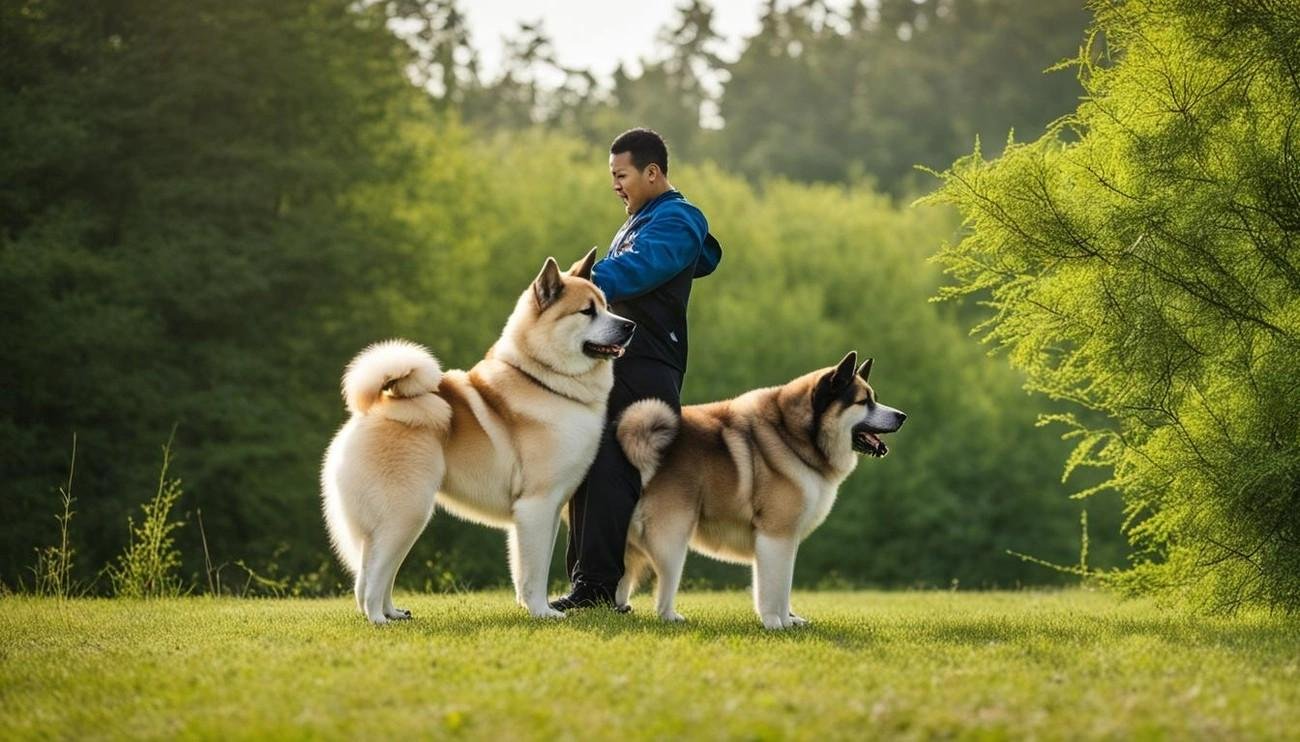
Image Source: Chocolate Lab
The American Akita’s impressive size masks a complex personality that blends steadfast dedication with natural caution. These dogs have a depth of character that draws admiration and respect from experienced dog owners worldwide.
Loyalty and protectiveness
American Akitas show exceptional loyalty to their families. They act like shadows – always close by and ready to guard their loved ones. These dogs build deep bonds with their human companions that show up as protective behavior. Their connection with family members runs deep, and they remain alert and devoted.
Their guard dog heritage gives them a strong protective instinct. These dogs are territorial about their space and make excellent watchdogs. They rarely bark unless something’s wrong. This quiet vigilance makes them reliable guardians.
Akitas usually keep their distance from strangers. They approach unfamiliar people carefully and might seem distant around new faces. Research shows about 13% of Akitas show some aggression toward humans. Early and thorough socialization helps them tell real threats from regular visitors.
Interaction with children and other pets
Well-socialized American Akitas can build great relationships with their family’s children. They often show patience and gentleness with kids they know as family. Supervision remains vital – 70% of human-directed aggression happens with visitors on the Akita’s territory. This highlights their protective nature.
Other animals pose big challenges for American Akitas. They often show aggression toward other dogs, especially those of the same sex. Studies found that 59% of Akitas show aggression toward other dogs and animals – the highest rate among five ancient breeds.
Their hunting background gives them a strong prey drive, and smaller animals might trigger their chase instinct. Many experts suggest keeping Akitas as the only pet in the house. Early socialization helps alleviate these issues, but close watching remains essential in homes with multiple pets.
Common behavioral traits
American Akitas have unique behavioral traits that new owners should know about. They combine remarkable intelligence with an independent, strong-willed nature. Training becomes both rewarding and challenging – they learn commands quickly but might choose not to follow them.
Some key behaviors include:
- Clean and odorless: They keep themselves clean with little “doggy odor”
- Moderate barkers: Only 17% bark excessively, unlike many watchdogs
- Routine-oriented: They do best with clear structure and consistent expectations
- Calm demeanor: Adult Akitas carry themselves with dignity and save playful moments for family time
These dogs have amazing emotional intelligence and can sense their owner’s feelings. They offer comfort during tough times. This sensitivity combines with their protective nature to create a special bond with their families.
Training should start during puppyhood and needs patience and consistency. Their independent streak looks like stubbornness, especially when they’re bored with repetitive exercises. American Akitas need both mental challenges and physical exercise to avoid behavior problems from boredom.
Prospective owners must understand the American Akita’s temperament. Their unique mix of loyalty, protectiveness, and independence needs experienced handling to bring out their best qualities while managing their challenges.
Lifespan and Growth Stages
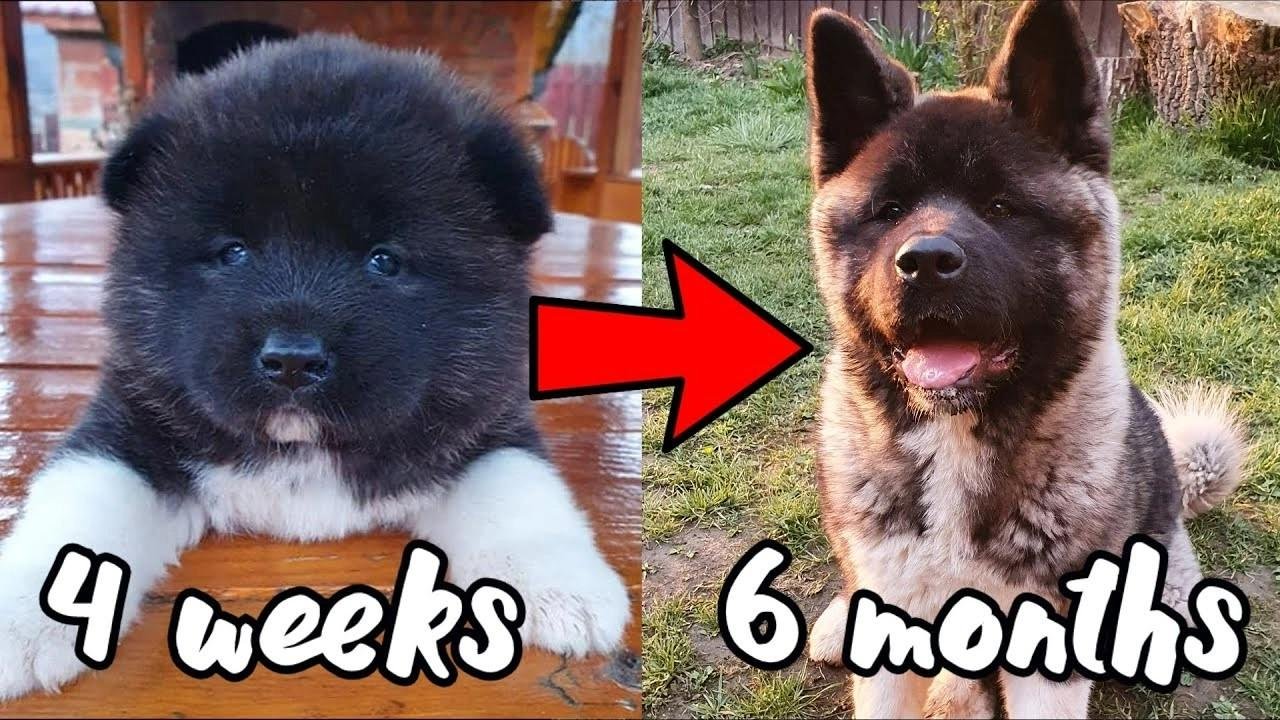
Image Source: YouTube
American Akita owners need to understand their companion’s lifespan and development stages to provide the best care possible. These majestic dogs go through distinct stages from their energetic puppy days to their dignified senior years. Each stage needs specific attention and care.
Average American Akita lifespan
American Akitas live surprisingly long for large breed dogs. These loyal companions typically live 10 to 14 years. Their longevity is remarkable given their substantial size. Spayed female Akitas tend to live longest, followed by neutered males, intact males, and intact females.
These dogs need regular health checks because they can develop certain conditions. The biggest health concerns include hip dysplasia, joint issues, thyroid dysfunction, and cancer. Early detection through regular vet visits can help your Akita live longer.
Puppy to adult development stages
American Akitas develop in clear phases. Their first few months show faster growth. They need special nutrition and care for healthy bone and muscle development.
Their growth timeline proceeds as follows:
- Birth to 8 weeks: Complete dependency on mother, opening eyes and ears, learning to walk
- 8-12 weeks: Ideal adoption age, beginning of vital socialization period
- 6 months: Male puppies weigh approximately 55-70 pounds, while females reach 50-65 pounds
- 10-12 months: Most Akitas reach their full height but continue gaining weight
- 2 years: Complete physical maturity, including muscle development and chest expansion
Good nutrition is essential during these growth stages. Akitas can develop joint problems, so controlling their growth rate through proper feeding prevents future issues. Puppies need the right balance of calories and minerals, especially calcium and phosphorus, to support proper bone development without gaining too much weight.
Senior care needs
Akitas enter their senior phase around 7 years of age. Their care needs change significantly at this point. Many experts suggest switching to senior-formulated food with fewer calories after age 7.
Senior Akitas benefit from:
- Regular checks for arthritis, hip dysplasia, and thyroid issues through consistent vet visits
- Gentle, modified exercise routines that keep them active without straining aging joints
- Soft, supportive bedding that reduces pressure on joints and provides comfort
- Mental stimulation through training sessions or interactive toys to keep their minds sharp
- Regular grooming to manage shedding and maintain skin health
Older Akitas slow down naturally but still need daily walks, though shorter ones. Two brief, slower walks often work better for aging Akitas. Keeping familiar routines helps them adjust to their changing abilities.
Weight control becomes crucial for senior Akitas since extra pounds make joint problems worse. The right mix of diet and exercise helps maintain good weight and mobility as they age.
Your American Akita’s health and happiness depend on understanding and responding to their needs at each life stage.
Grooming and Maintenance Needs
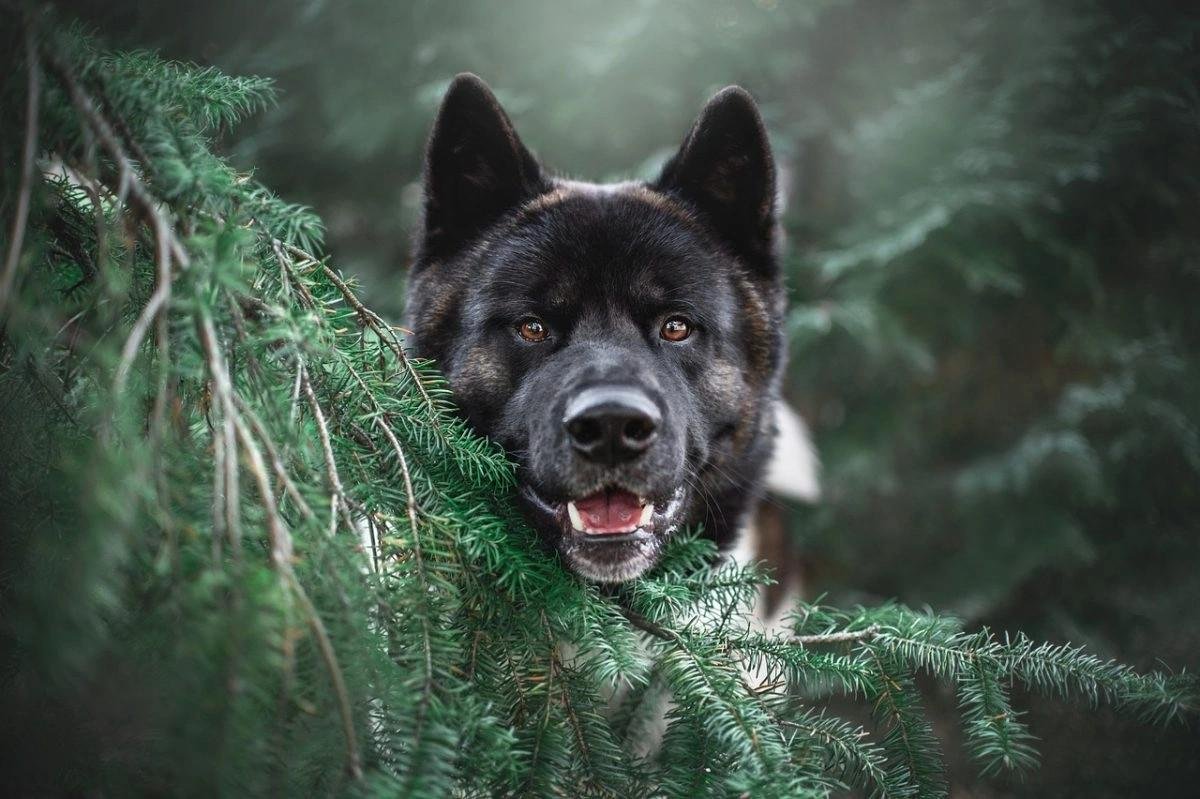
Image Source: iHeartDogs.com
The American Akita’s beautiful double coat needs dedicated grooming care all year round. These dogs have a naturally clean nature that might make them look easy to maintain at first. But proper grooming routines play a vital role in keeping them healthy and looking their best.
Shedding and brushing frequency
American Akitas have a thick double coat that sheds throughout the year and needs regular care to stay in great shape. These dogs don’t shed much during normal times and seem pretty low-maintenance. All the same, you’ll need to brush them regularly to keep their coat healthy and reduce loose hair in your home.
During regular periods, your American Akita needs brushing two to three times per week. This routine removes loose fur, stops matting, and spreads natural oils through the coat. The right tools make this job much easier – an undercoat rake or deshedding tool works great to reach the thick undercoat, along with a slicker brush for the top coat.
American Akitas are clean dogs by nature and don’t have much “doggy odor”. Their natural cleanliness plus regular brushing keeps them looking dignified without too much work outside shedding seasons.
Bathing, nail trimming, and ear care
In stark comparison to this, American Akitas don’t need frequent baths. These dogs should get baths no more than 2-4 times yearly. Too much bathing removes natural oils from their coat and can cause dry skin and brittle fur. Dog wipes work well for quick cleanups between baths.
Bath time requires dog-specific shampoo instead of human products. Human shampoos have pH levels that can hurt your dog’s coat and skin.
Your Akita’s nails need trimming about every 3-4 weeks. Long nails can make them uncomfortable and might cause joint problems later. You’ll know it’s time for a trim when you hear clicking on hard floors.
Your dog’s ears need weekly checks for wax buildup or dirt. Clean them every 1-2 weeks, based on how active your dog is and their ear condition. Regular ear checks help prevent infections in these proud dogs.
Seasonal coat changes
American Akitas “blow their coat” twice each year. This happens in spring and fall, lasting two to eight weeks. The undercoat sheds heavily during this time and often comes out in big clumps.
These shedding seasons need lots of work. Your dog will need daily brushing during these “blowing coat” phases. Some owners brush their dogs several times a day to handle all the loose fur. A high-velocity dryer helps remove loose undercoat very well during heavy shedding times.
It’s worth mentioning that you should never shave an American Akita’s double coat. Shaving hurts the coat’s natural insulation, messes up normal shedding patterns, and can lead to weird regrowth or skin issues.
Getting ready for shedding season ahead of time helps keep your home clean and your stress levels down. More frequent brushing as shedding season gets closer can substantially cut down on fur ending up on furniture and floors.
Health and Wellness Tips

Image Source: Knose Pet Insurance
Regular health monitoring is vital to help your American Akita reach its full lifespan potential of 10-14 years. Good grooming habits and awareness of specific health issues will substantially affect your dog’s quality of life.
Common health issues in American Akitas
American Akitas can develop several breed-specific health conditions that need attention. Hip dysplasia is one of the most common problems. This condition happens when the hip joint doesn’t fit correctly into the socket, which can cause pain, lameness, and eventually arthritis without treatment.
These beautiful dogs face other health challenges:
- Bloat (Gastric Dilatation-Volvulus) – A life-threatening emergency where the stomach fills with gas and twists. Your dog needs immediate veterinary care
- Hypothyroidism – About 13% of Akitas develop this condition. Symptoms include weight gain, lethargy, dry coat, and behavior changes
- Sebaceous adenitis – A skin disease that causes hair loss, scaly skin, and secondary infections. Your dog will need lifelong treatment
- Progressive retinal atrophy – A genetic eye condition that can lead to blindness
Regular vet checkups help catch these problems early when treatments work best.
Vaccination and vet checkup schedule
Your American Akita needs proper immunization against preventable diseases. The core vaccination schedule typically includes:
Puppies should get the DHPP vaccine (distemper, hepatitis, parainfluenza, parvovirus) at 6-8 weeks, 10-12 weeks, and 16-18 weeks. The original rabies shot comes between 12-16 weeks, with boosters every 1-3 years as law requires.
Your vet might recommend additional vaccines based on your dog’s lifestyle and location. These could include Bordetella, Lyme disease, or leptospirosis. Adult Akitas need DHPP boosters every three years and yearly checkups to monitor breed-specific health issues.
Dietary needs and supplements
Good nutrition forms the foundation of your American Akita’s health. These giant-breed dogs need special feeding practices to prevent bloat. You should divide their daily food into multiple smaller meals (at least two to three) instead of one large feeding.
Puppies need food made specifically for large-breed growth to avoid skeletal and joint problems. Their first growth phase (until 15 months) focuses on bone development. The right balance of calcium and phosphorus is essential during this time.
Adult American Akitas do best with diets rich in quality protein and balanced dietary fiber for digestive health. Joint supplements with glucosamine, chondroitin, and omega-3 fatty acids can help, especially as they age.
Your Akita should switch to senior-formulated food around age 7. This food has fewer calories to prevent weight gain and supports kidney health.
Training and Socialization Guide

Image Source: The Akita Inu
Training an American Akita needs a special touch because of their unique personality. These intelligent and independent dogs make training both rewarding and challenging, unlike breeds that aim to please.
Training challenges and solutions
American Akitas have a naturally independent mindset that shows up as stubbornness during training. They think for themselves instead of blindly following commands. Their independence and protective nature call for a special training approach.
The answer lies in mixing consistency with positive reinforcement. These dogs respond well to training with premium treats, praise, and play time. Short sessions of 10-15 minutes help keep their interest and stop them from getting bored.
You need to be a confident and consistent leader because these powerful dogs need clear limits. Success comes when you build mutual respect rather than trying to dominate these proud animals.
Importance of early socialization
Early socialization is the life-blood of raising a well-adjusted American Akita. Start right after bringing your puppy home by exposing them to people, environments, and controlled meetings with other animals.
American Akitas might develop issues with other dogs, especially those of the same sex. You should be extra careful with all dog interactions. This risk of dog-to-dog aggression makes proper socialization crucial.
Good socialization means introducing your Akita to new people in controlled settings and slowly increasing exposure as they get comfortable. Giving treats during these meetings helps create good associations with new experiences.
Mental stimulation and obedience tips
American Akitas need mental challenges along with physical exercise to avoid boredom and destructive behavior. Simple commands like ‘sit,’ ‘stay,’ ‘come,’ and ‘down’ build a foundation for more training.
Keep their minds active with:
- Advanced trick training after mastering basics
- Puzzle toys and interactive games that boost problem-solving skills
- Dog sports like agility, tracking, or obedience competitions
Getting the best results means keeping a respectful training relationship. Skip harsh corrections that can hurt your bond and set back training. Use firm but gentle leadership that Akitas naturally respect.
Success with American Akita training comes from mixing patience with persistence. Celebrate small wins while keeping your expectations steady.
American Akita Price and Adoption in India
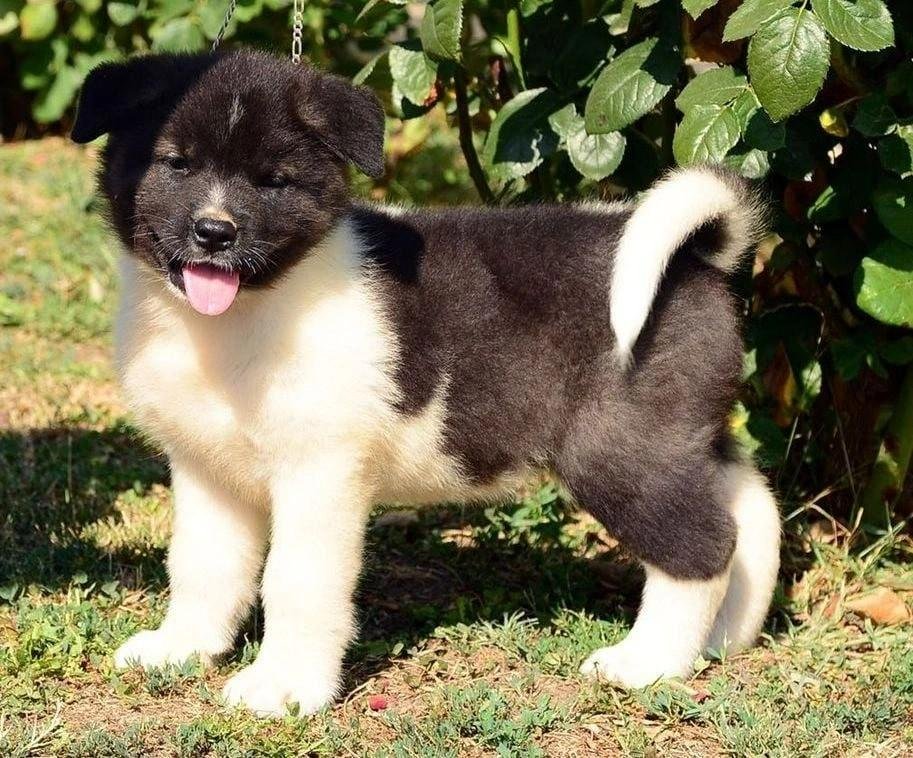
Image Source: Buy Dogs Online
Getting an American Akita needs good planning with your finances because these dogs hold a premium status in India’s pet market. Future owners should know the original purchase costs and the expenses that come with this magnificent breed.
American Akita dog price in India
Right now, you’ll find American Akitas in India priced between ₹90,000 to ₹1,00,000. The best quality dogs with champion bloodlines can cost up to ₹1,50,000. Here’s what you’ll pay in major Indian cities:
- Mumbai: ₹1,20,000 – ₹2,00,000
- Delhi NCR: ₹1,00,000 – ₹1,50,000
- Bangalore: ₹90,000 – ₹1,50,000
- Hyderabad: ₹80,000 – ₹1,20,000
- Chennai, Kolkata, Pune, Ahmedabad: ₹90,000 – ₹1,00,000
Factors affecting cost: breeder, location, bloodline
Your Akita’s price depends on several key factors. Puppies from champion bloodlines or strong pedigrees come at premium prices. A breeder’s reputation and experience play a big role too. The 10-year old breeders who do health testing usually charge more.
Price also changes based on:
- Puppy’s age and gender (females often cost more)
- Coat color and quality
- Local demand and availability
- Vaccination status and registration papers
Adoption vs buying: what to think about
You have two main choices to bring an American Akita home: local pet shops or dedicated breeders. Experienced breeders are a great way to get health guarantees, deep breed knowledge, proper puppy socialization, and ongoing support.
Good breeders put their energy into health screening and temperament development. This makes the higher original cost worth it for such a complex breed. Meeting your puppy’s parents and seeing their living space should be your priority before making the final decision.
Conclusion
American Akitas rank among the most impressive and dignified canine companions available to experienced dog owners. These majestic animals combine striking physical presence with steadfast dedication to create a unique pet experience. You can recognize them instantly among other large breeds by their bear-like heads, powerful frames, and distinctive curled tails.
Future Akita owners must understand these dogs need dedicated care throughout their 10-14 year lifespan. Their thick double coat needs regular brushing, especially during seasonal “blowing” periods when shedding increases dramatically. American Akitas thrive with consistent training that starts during puppyhood and continues throughout their lives, despite their independent nature.
American Akitas bring unique challenges. They need careful management because of their natural wariness toward strangers and strong prey drive, especially when you have other pets. These same protective instincts make them exceptional guardians for families who invest time in proper socialization and training.
These magnificent dogs need regular health monitoring. Veterinary check-ups help identify common problems like hip dysplasia, hypothyroidism, and bloat early. Quality nutrition tailored to each life stage supports their overall wellbeing and prevents weight-related complications effectively.
Without doubt, bringing an American Akita home represents a major financial commitment. The original purchase price ranges from ₹30,000 to ₹1,50,000 in India, and owners should budget for quality food, regular veterinary care, grooming supplies, and training resources. This investment rewards dedicated owners with a loyal, protective companion that enriches family life for years to come.
The choice to welcome an American Akita deserves careful consideration. These extraordinary dogs need owners who appreciate their independent spirit while providing firm, consistent guidance. Ready owners will find an Akita’s unmatched devotion packaged within one of the canine world’s most impressive physical forms – a remarkable companion for the right home.
Key Takeaways
Understanding the American Akita’s unique characteristics and care requirements is essential for potential owners considering this magnificent but demanding breed.
• American Akitas are large, powerful dogs weighing 70-130 pounds with a 10-14 year lifespan, requiring experienced owners who can handle their independent, protective nature.
• Early socialization and consistent training are crucial as these dogs can show aggression toward other pets and strangers, making them best suited as single-pet households.
• Their thick double coat requires regular brushing 2-3 times weekly, with intensive daily grooming needed during seasonal “coat blowing” periods lasting 2-8 weeks.
• Health monitoring is essential due to breed-specific issues like hip dysplasia, bloat, and hypothyroidism, requiring regular vet checkups and proper nutrition throughout their life stages.
• In India, expect to invest ₹90,000-₹1,50,000 initially plus ongoing monthly expenses of approximately ₹5,700 for quality care, food, and veterinary needs.
The American Akita rewards dedicated owners with unmatched loyalty and protection, but success requires understanding their complex temperament, substantial grooming needs, and long-term financial commitment. These dignified dogs thrive with experienced handlers who can provide consistent leadership while respecting their independent spirit.
FAQs
Q1. What are the key behavioral traits of an American Akita?
American Akitas are intelligent, loyal, and protective dogs with an independent nature. They require consistent training from puppyhood and extensive socialization to manage their strong guarding instincts. While devoted to their families, they can be reserved with strangers.
Q2. How long do American Akitas typically live?
The average lifespan of an American Akita is 10 to 14 years. Regular veterinary check-ups are crucial to monitor for breed-specific health issues, particularly joint problems, which can impact their longevity and quality of life.
Q3. What are some common behavioral challenges with American Akitas?
American Akitas may exhibit aggression towards strangers, especially in their home environment. They can also display dominance-related behaviors both at home and in public. These tendencies require careful management and training to ensure the dog’s and others’ safety.
Q4. Are American Akitas suitable as family dogs?
American Akitas can be loving and protective of children in their family, particularly when raised with them from a young age. However, supervision is always necessary, especially with unfamiliar children. Their protective nature can sometimes lead to overprotectiveness during boisterous play.
Q5. What grooming requirements do American Akitas have?
American Akitas have a thick double coat that requires regular maintenance. They should be brushed 2-3 times per week normally, with daily brushing needed during their twice-yearly shedding seasons. Bathing should be limited to 2-4 times per year to preserve their coat’s natural oils.