
Affenpinscher Dog Breed Information
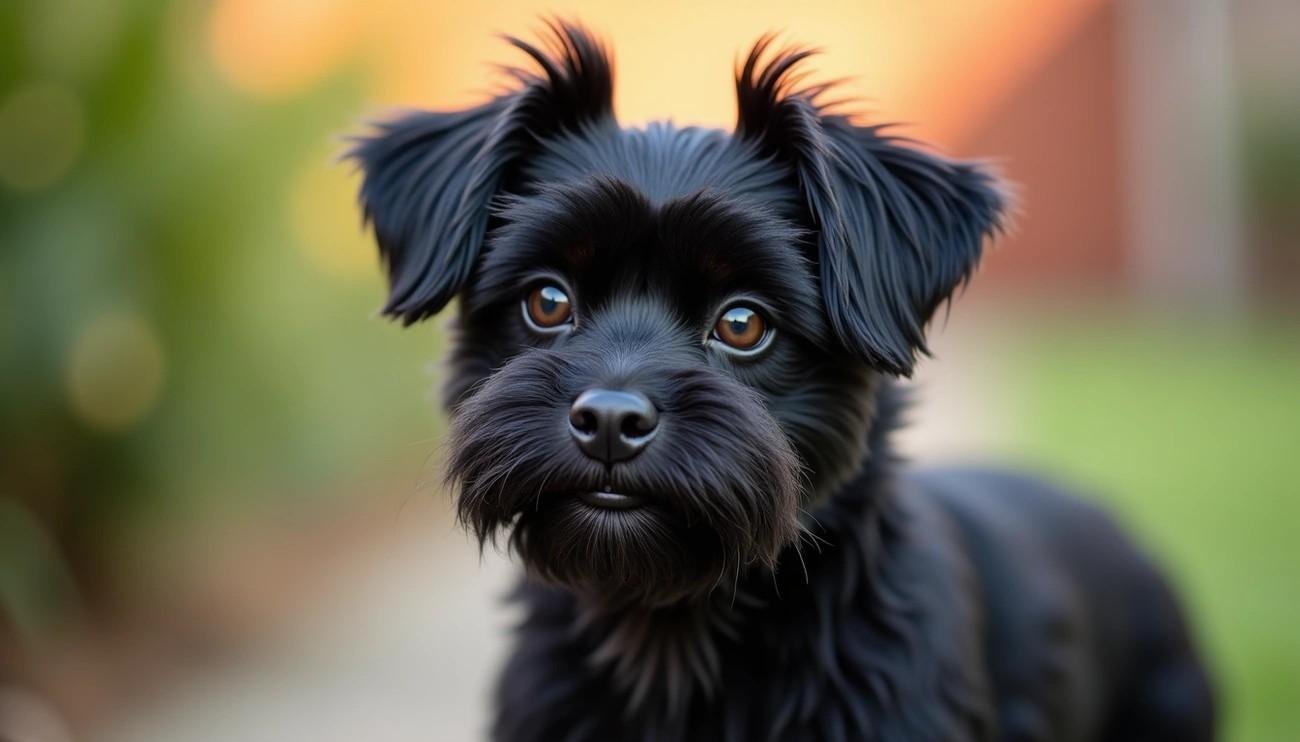
The Affenpinscher, nicknamed “The Monkey Dog,” stands among Europe’s oldest toy dog breeds with roots dating back to the 17th century. This rare small breed draws attention with its almost monkey-like face and spirited, terrier-like personality. These compact dogs reach 9–12 inches in height and weigh between 7–10 pounds (2.9–6.0 kg).
These charming dogs sport a shaggy, wiry coat that comes mostly in black, though silver, gray, and black and tan varieties exist. The Affenpinscher’s personality shines through its courageous, feisty, outgoing, funny, and intelligent nature. These tiny dogs carry themselves with remarkable confidence despite their small size. Affenpinscher’s lifespan ranges from 12–15 years with proper care. The American Kennel Club recognized this breed in 1936, yet it remains relatively uncommon today, making it a unique choice for dog lovers who seek something beyond the ordinary.
Affenpinscher Dog Breed Overview
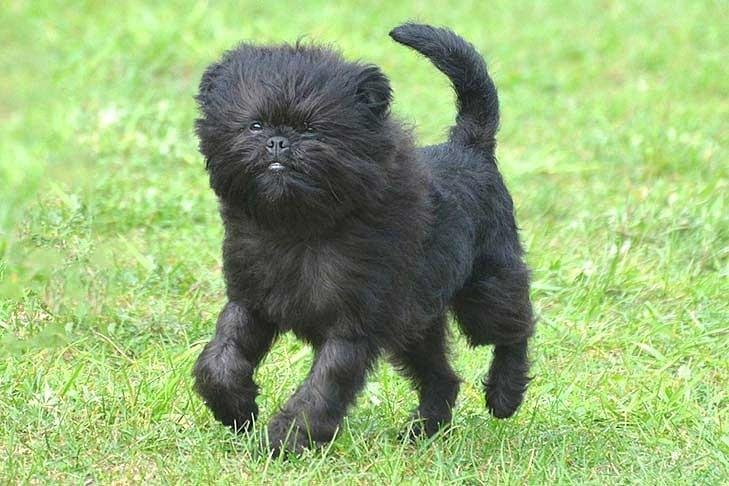
Image Source: American Kennel Club
The story of the Affenpinscher is a remarkable one that goes back to Central Europe, where these small but fierce dogs played a vital role in daily life. These ancient dogs from Germany have won the hearts of dog lovers worldwide with their distinctive looks and lively character.
Origin and history of the Affenpinscher
German history runs deep in the Affenpinscher’s DNA. Records show they existed as far back as the 17th century, though some sources hint at similar dogs showing up around the 13th century. These tough little dogs started out as stable companions and proved their worth by keeping farms and homes free of rodents.
The Affenpinscher’s presence in European history is well-documented. Their images appear in Flemish Renaissance paintings, which show how deeply rooted they were in European culture. These working dogs made their way into people’s homes during the 17th and 18th centuries. They were especially popular in kitchens where they kept up their rat-catching duties.
The breed went through big changes in the 19th century. Breeders started to think over making them smaller, and turned these working ratters into more refined companion dogs. The breed’s history took an interesting turn. Until the late 1800s, both rough-haired and smooth-haired types were known as Deutscher Pinscher. They shared the same family tree, and puppies of both types could show up in one litter.
A big moment came in 1879 when the breed earned its spot in the Deutschen Hundestammbuch of the Verein zur Veredelung der Hunderassen. The Pinscher-Schnauzer-Klub’s creation in 1895 marked another milestone for the breed. The American Kennel Club welcomed the Affenpinscher in 1936, and the Fédération Cynologique Internationale (FCI) did the same in 1955.
Why it called the ‘Monkey Dog’?
The name “Affenpinscher” tells us a lot about how these dogs look. “Affe” means monkey or ape in German, so “Affenpinscher” literally means “monkey-like terrier” or “monkey dog”. This name perfectly matches their most striking feature – facial expressions that look almost human and remind people of monkeys.
Different cultures have given these dogs some fun nicknames. The French call them “diablotin moustachu,” which means “mustached little devil” – a perfect description of both their looks and personality. Star Wars fans often debate whether these dogs look more like Wookies or Ewoks.
The breed’s monkey-like face comes from specific features: a shaggy ring of hair around the head, bright eyes, and a slightly jutting lower jaw. People who see an Affenpinscher often spot the monkey resemblance that gave these dogs their name centuries ago.
Breed group and classification
These dogs might act like terriers, but major kennel clubs put them in a different category. The Fédération Cynologique Internationale (FCI) lists them in Group 2: Pinschers, Schnauzers, Molossoids, and Swiss Mountain Dogs, specifically in Section 1: Pinschers and Schnauzers. This shows their true Pinscher heritage rather than terrier roots.
The American Kennel Club has placed Affenpinschers in the Toy Group since recognizing them in 1936. This reflects their small size and role as companion dogs today, rather than their original working purpose.
The Affenpinscher’s legacy lives on in other breeds, too. Both the Miniature Schnauzer and Brussels Griffon show clear signs of Affenpinscher influence. The breeds were so closely related that in the early 1900s, puppies from the same litter might be called either Schnauzers or Affenpinschers based on their head shape.
Physical Characteristics and Appearance

Image Source: DogTime
The Affenpinscher catches your eye with its unique shape – a small but sturdy body crowned by that charming monkey-like face that makes this breed so special.
Height and weight range (3–6 kg)
The Affenpinscher belongs to the toy breed family with a small yet strong body. These dogs typically reach 9-11.5 inches (23-30 cm) at the withers. Breed standards worldwide share this measurement range, and the FCI and British Kennel Club specify a height of 24-28 cm (9½-11 inches).
These little dogs weigh between 3-6 kg (6.5-13.2 pounds). American standards usually list weights of 7-10 pounds, though European standards allow a bit more flexibility. You’ll find little size difference between males and females.
Their body shows perfect proportions – the height matches the length from shoulder to buttock. This balance creates their compact, sturdy look that masks their small size.
Common Affenpinscher colors
These dogs sport several distinct colors, though kennel clubs have different standards:
- Black: Most common and traditionally accepted, sometimes showing a rusty tint or scattered white/silver hairs
- Gray/Silver: Black coats often fade to this shade over time
- Red: Colors range from brownish red to orangey tan
- Black and Tan: Black fur with symmetrical red or orange-red patterns
- Belge: A blend of black, brown, and/or white hairs mixed with red
The AKC accepts all these colors equally. British Kennel Club standards prefer black, though they accept some gray shading. Small white chest spots don’t count against the dog, but large white patches aren’t desirable.
Coat type and texture
The Affenpinscher’s coat stands out as its trademark feature. Rough-textured hair stands away from the body, creating that adorable messy look. Breeders call it “neat but shaggy”, and it needs minimal trimming with proper care.
The coat’s varying length adds to its appeal. Longer hair graces the shoulders, neck, and head, forming a distinctive mane. The back and hindquarters feature shorter, denser fur. This mix of lengths creates that monkey-like look, with facial hair framing the eyes, nose, and chin beautifully.
Owners should brush and comb their pets twice weekly with a brush followed by a metal comb, despite its scruffy appearance.
Facial features and body structure
The face makes this breed truly special, earning names like “monkey dog” and “diablotin moustachu” (mustached little devil). A small head sits atop the body, featuring a rounded forehead, wide brow, and clear stop.
Round, dark, medium-sized eyes sparkle with expression. These bright eyes work with their facial hair to create that amazing monkey-like appearance.
A short, blunt muzzle allows easy breathing. The prominent chin turns up slightly, creating a subtle underbite that adds character. The lower jaw sits just ahead of the upper, with straight-lined incisors.
The body shows strength and compactness with well-curved ribs and a broad chest that’s not too deep. A slight tuck at the loin completes their sturdy look. Strong, straight legs support a short, level back.
Affenpinscher Temperament and Personality
A personality larger than life hides behind those expressive eyes and monkey-like face of the Affenpinscher. Their tiny frame doesn’t match their huge character. People call them “the big dog in a small body,” and these spirited canines live up to that name.
Typical behavior traits
The Affenpinscher’s temperament blends boldness with charm in amazing ways. These dogs are self-confident, and fearless at their core, and they have this wonderful comedic quality about them. Their natural curiosity makes them explore everything around them, ready to jump into any adventure or mischief.
The American Kennel Club describes them as “loyal, curious, and famously amusing”. The sort of thing I love about them is their perfect comedic timing. They keep such a serious face while doing the silliest things. Yes, it is this serious expression that makes their playful moments even more entertaining.
These little dogs show amazing skills with their front paws. They love to grab and toss their toys around. This unique trait adds so much fun to their playful nature and keeps their families entertained endlessly.
All the same, owners should know about their independent nature. A professional handler put it best: “This isn’t a breed you train, he’s like a human. You befriend him”. This independent spirit means they can be stubborn sometimes, so you need patience and consistency to train them.
How they interact with family and strangers
The Affenpinscher’s bond with family runs deep. They crave attention and try to get it through play, cuddles, or just staying close to their owner. Many Affenpinscher fans talk about “being owned” by their little monkey dogs, which tells you exactly who runs the house.
These dogs stay cautious around strangers. Their alert nature makes them great watchdogs despite their size. They notice every change in their surroundings and bark to let everyone know about visitors.
Speaking of barking—these dogs do it often at the slightest trigger. Without training, this can turn into non-stop yapping. The good news is that early positive reinforcement works well, so teaching them a “quiet” command is vital.
Are they good with kids and other pets?
Each Affenpinscher has their own way with children. Some get along great, especially those who grow up with kids. Many others don’t handle the high energy and rough play of younger children well.
Their small size means they might not enjoy being chased or hugged too tightly. They fit better in homes with older, gentler children. Adults should always watch over interactions since rough play could hurt these tiny dogs.
These dogs can live happily with other dogs and cats if they get proper socialization, especially growing up together. Their history as ratters gave them strong hunting instincts—so they don’t mix well with rodents or small pets. Early socialization helps control these instincts better.
The funniest part is that Affenpinschers don’t realize how small they are. They strut around with what owners call a “big dog attitude” and sometimes challenge much bigger dogs. This brave confidence is cute but needs careful watching in homes with multiple pets.
The Affenpinscher brings so much joy as a companion. Their confidence, loyalty, and funny behaviors make them special to everyone lucky enough to share life with this unique breed.
Lifespan and Health Expectations
Affenpinschers may be tiny, but they’re incredibly tough dogs. Knowing their health needs helps you give them the care they need to live a long, happy life.
Average lifespan (12–15 years)
These furry companions usually stay with their families for 12-15 years with good care. Small dogs like Affenpinschers typically live this long. Their actual lifespan depends on several factors, including genetics, diet, exercise, and regular healthcare.
A UK study revealed something interesting – their Affenpinschers lived about 9.3 years on average, compared to 12.7 years for other purebreds. These numbers show why proper health management matters throughout your dog’s life. Veterinary experts believe modern healthcare advances and a better understanding of breed-specific needs help Affenpinschers reach their full life expectancy.
Common health issues
Like every breed, Affenpinschers face certain health challenges:
- Brachycephalic-related concerns: These dogs have short noses and flattened faces, which can make breathing difficult, especially in hot weather. This condition, called Brachycephalic Obstructive Airway Syndrome, might limit their exercise or cause breathing problems in severe cases.
- Orthopedic conditions: Patellar luxation tops the list of common problems, causing occasional lameness. Hip dysplasia can affect these dogs too, though larger breeds see it more often. Legg-Perthes disease makes the thigh bone brittle and prone to breaks, usually showing up before the dog’s first birthday.
- Heart problems: Senior Affenpinschers sometimes develop heart issues like mitral valve disease, which affects how well their heart pumps. Regular heart checkups become vital as they age.
- Eye conditions: These dogs can develop cataracts and other vision issues. The Affenpinscher Club of America suggests yearly eye exams.
- Other concerns: These dogs might also face dental disease, tracheal collapse, and syringomyelia (spinal cord fluid buildup). Female dogs sometimes lose seasonal fur, usually during winter.
Preventive care and vet checkups
Regular healthcare serves as the lifeblood of your Affenpinscher’s wellbeing. Young dogs need yearly checkups, while seniors should see the vet twice annually for early problem detection.
Basic vaccines protect against parvovirus, distemper, adenovirus, parainfluenza, and rabies. Your vet might suggest extra shots based on your dog’s specific needs.
Dental care deserves special attention. Dental disease affects 80% of dogs by age two, and Affenpinschers face higher risks. Poor dental health leads to early tooth loss and can damage their kidneys, liver, heart, and joints – potentially cutting 1-3 years off their life.
Keeping your Affenpinscher at a healthy weight substantially affects their health. Extra pounds can worsen joint problems and breathing issues. A balanced diet and regular exercise help prevent many health complications.
These dogs need special care in hot weather because of their flat faces. Exercise should be limited on warm days, and owners must watch for breathing problems. Good breeders test their dogs for hip, eye, and heart problems to reduce inherited health issues.
Grooming and Care Needs

Image Source: Dog Learn
The Affenpinscher’s unique, wiry coat needs regular care to keep its special look. Good grooming helps “monkey dogs” look their best and stay healthy and comfortable.
Brushing and coat maintenance
This breed’s medium-textured, wiry coat needs steady care to avoid matting and keep its unique appearance. The good news is these dogs barely shed and many people relatively hypoallergenic – making them a good choice for some people with dog allergies.
You should brush your dog twice a week with a soft bristle slicker brush. A metal rake or greyhound comb helps work out any tangles. The best results come from brushing in layers. Start at the chest, work up under the chin, move to the belly and legs, and finish with the back and face.
If you find mats, stop right away. Break them apart gently with your fingers before you continue combing. This helps prevent painful pulling and skin problems.
Your Affenpinscher’s coat will need professional care too. Show dogs usually need stripping every few months to remove dead coat. Pet Affenpinschers should see a groomer every four to six weeks. This helps keep the coat’s shape right and deals with tough mats, especially behind their ears.
Bathing and trimming tips
These dogs only need baths when they get dirty – usually every few months. Too much bathing removes natural oils and dries out their skin. Here’s how to bathe your Affenpinscher:
- Put them in a basin with a non-slip mat
- Wet their coat with lukewarm water, keeping the sprayer close to the skin for face washing
- Use gentle dog shampoo and a tearless formula for the face
- Rinse until the water runs clear
- Use towels first to remove extra water
- Finish with a hairdryer on medium heat, kept six inches away
Trimming needs to focus on specific spots. The face’s coat needs special care. Cut hair falling into the eyes in an upside-down “U” shape from corner to corner. Shape eyebrows by combing forward and trimming to protect the eyes.
The coat on top of their nose needs a fan-shaped trim to keep the breed’s special look. You should also trim around the anus and shape the legs like small columns.
Eye, ear, and dental care
These dogs need regular eye, ear, and teeth care to stay healthy. Their round eyes often get tear stains. You can reduce this by wiping around the eyes with a vet-approved cleaner. Watch for redness, strange discharge, or cloudiness that might show health issues.
Check their ears weekly for dirt, wax, or odd smells. Clean them with a cotton ball dipped in mineral oil, olive oil, or witch hazel. Stay away from the ear canal. Their ears also grow hair that needs regular plucking.
Dental care plays a vital role for Affenpinschers. By age two, 80% of all dogs have dental disease, and these dogs face higher risks. Poor dental care can make them lose teeth early and might cut their life short by one to three years.
Start brushing their teeth early. Use a soft-bristled toothbrush and dog toothpaste several times each week. Take them for regular dental checkups and cleanings too. Premium dry kibble made for small breeds and good dental chews help keep their teeth healthy through natural chewing.
Affenpinscher Training Guide
Training an Affenpinscher successfully depends on understanding their unique personality. These tiny dogs pack impressive intelligence with an independent spirit that influences how they learn.
Training difficulty and tips
Affenpinschers have an undeserved reputation for being difficult to train. These clever canines simply have independent minds and can be stubborn at times. You’ll find they eagerly want to please their human companions once you build a strong bond. Their intelligence becomes apparent with the right training approach.
Your training sessions should:
- Stay brief but happen often—these dogs quickly lose focus during long sessions
- Include trainers who know toy breeds well
- Rely on positive reinforcement—treats and praise work better than strict methods
- Need patience and consistent commands
The STAY command challenges most energetic Affenpinschers. Start by having your dog sit or lay down, then give the command with a hand signal. Reward even short moments of compliance, and mix it with the COME command during quick practice rounds.
Socialization and behavior shaping
Your Affenpinscher needs early socialization to develop a well-rounded personality. Start exposing your puppy to new situations, people, and experiences right after they come home. This helps prevent common issues like excessive barking or aggression toward strangers and other dogs.
Dog shaping proves highly effective with Affenpinschers. This method rewards small steps toward desired behaviors instead of waiting for perfect execution. Your easily-distracted pup stays engaged as you acknowledge each tiny improvement.
Fun activities and mental stimulation
Affenpinschers need both physical exercise and mental challenges to stay happy. These smart dogs might develop destructive behaviors without proper mental stimulation.
Great activities for your Affenpinscher include:
- Puzzle toys and brain games
- Size-appropriate agility training
- Games that use their natural scenting abilities
- Quick obedience drills
- Fun sessions of fetch and tug-of-war
Indoor play meets many exercise needs, but brisk daily walks provide essential physical activity and socialization chances. These walks let your dog experience different people, dogs, and environments.
Your Affenpinscher thrives when training feels both fun and challenging. Mix up the activities to avoid the boredom these dogs hate. This variety deepens their commitment to learning and strengthens your bond.
Feeding and Nutrition Tips

Image Source: https://unsplash.com/
Your Affenpinscher’s health depends on proper nutrition. It affects everything from coat condition to energy levels and longevity. These small but spirited dogs need specific dietary requirements that you should understand to keep them healthy.
How much to feed based on age and weight
Affenpinscher puppies need more frequent meals than adults. They typically eat three to four times daily to support growth and prevent hypoglycemia (low blood sugar). The puppy should transition to an adult feeding schedule as it matures. Adult dogs do well with two small meals per day – one in the morning and one in the evening.
Adult Affenpinschers weighing 4-6 pounds (2-3 kg) need careful portion control. These tiny dogs eat small amounts of food. The exact portions depend on several factors:
- Age and life stage
- Activity level
- Overall health
- Food quality and calorie density
Senior Affenpinschers might need adjusted portions because their metabolism slows down. Some older dogs need fewer calories, while others might need the same amount based on their health status. Your veterinarian can help determine the right adjustments as your dog ages.
Best food types for Affenpinschers
High-quality commercial dog food made for small breeds provides good nutrition. Look for foods that meet Association of American Feed Control Officials (AAFCO) standards. The food should match your dog’s life stage—puppy, adult, or senior—since nutritional needs change over time.
Raw or fresh diets are another option. These diets can lead to better digestion, a healthier coat, improved dental health, and stable weight. People who support raw food point out that dogs evolved eating unprocessed foods rich in animal proteins. Notwithstanding that, talk to your veterinarian before changing diets.
The carbohydrate content needs attention whatever food you choose. Many commercial dry foods contain over 50% carbohydrates, used mostly as economical fillers rather than nutrition. Some Affenpinschers might experience digestive issues and inflammation from these carbs.
Supplements and treats to consider
A complete diet provides most nutrients, but certain supplements might benefit Affenpinschers:
- Glucosamine and chondroitin help with joint health and mobility
- Omega-3 fatty acids are good for skin, coat, and heart function
- Probiotics improve digestive health by balancing gut microbiome
- Multivitamins can help with nutritional gaps, especially in home-prepared meals
Small breed treats work best for Affenpinschers. Healthy Breeds makes Affenpinscher-specific treats under 4 calories each—perfect for training without weight gain. These treats contain high-quality ingredients like organic turkey or chicken and skip common allergens such as wheat, corn, and soy.
Note that treats should make up no more than 10% of your Affenpinscher’s daily calories to avoid obesity and nutritional imbalance.
Affenpinscher Price in India and Buying Tips
Image Source: Mr n Mrs Pet
Anyone looking to bring home an Affenpinscher should know their price range in India and the best places to find these rare dogs.
Typical Affenpinscher price in India (₹70,000 – ₹1,50,000)
Affenpinschers are rare in India, which makes them quite expensive. You’ll need ₹70,000 to over ₹1,00,000 to get one from a breeder. Some high-end specimens can cost up to ₹1,50,000. The prices in Goa usually range between ₹60,000 – ₹90,000. These prices are a big deal as it means that they cost more than most common breeds.
Factors affecting price
The price of an Affenpinscher puppy depends on several things. Quality classification is the main factor—these dogs come in three categories: basic, KCI certified, and show quality, with prices increasing in that order. The breeder’s reputation is a vital factor since good breeders invest a lot in raising healthy puppies.
Here are other important factors:
- Pedigree and bloodline (champion lineage costs much more)
- Age (puppies are usually more expensive than adult dogs)
- Gender (females cost more because they can breed)
- Location and market demand
Where to buy or adopt Affenpinscher puppies
These dogs are hard to find in India. You should buy only from certified and reputable breeders who give health certificates and proper papers. Many online platforms connect you with verified Affenpinscher breeders and offer pan-India delivery and puppy starter kits.
Adoption is a cheaper option, with fees between ₹4,219 to ₹37,971, much lower than breeder prices. Rescue organizations are a great way to get dogs that have already received proper vet care and basic training.
Conclusion
These “monkey dogs” known as Affenpinschers are small but exceptional companions. They pack huge personality into their tiny frames and offer a perfect mix of confident spirit and loving loyalty. You can spot them right away among toy breeds thanks to their wiry coat and monkey-like face.
Affenpinschers show amazing smarts and think for themselves. Many first-time owners are taken aback by how these tiny dogs boldly approach bigger ones. Future owners should think over if they can embrace this strong-willed nature rather than try to change it.
These dogs live healthy lives that span 12-15 years with proper care. They need moderate but regular grooming instead of constant attention. Regular brushing, the occasional bath, and good dental care help keep their signature look and health in top shape.
Short, fun, and positive training sessions work best with these dogs. Most Affenpinschers love reward-based training, but their independent streak can challenge even seasoned dog owners. Getting them used to different situations at the time they’re young creates more adaptable adult dogs, especially when they meet strangers and other pets.
Families should take an honest look at how well this rare breed fits their lifestyle. Homes with older kids who know how to respect dogs make better matches than those with toddlers. On top of that, it costs between ₹70,000 to ₹1,50,000 in India due to their lack of availability and special status.
Affenpinschers need dedication to training, socializing, and healthcare. They pay it back with steadfast loyalty and daily doses of fun. These charming little dogs bring endless joy through their funny antics and loving nature. The right owner gets more than just a pet – they gain a family member whose big personality creates lasting memories throughout their healthy life.
Key Takeaways
The Affenpinscher is a rare, spirited toy breed that offers unique companionship for the right owner. Here are the essential insights for potential owners:
• Small but mighty personality: Affenpinschers weigh 3-6 kg but display fearless confidence, often challenging much larger dogs despite their tiny stature.
• Moderate care requirements: Weekly brushing, occasional bathing, and consistent dental care maintain their distinctive wiry coat and overall health.
• Independent training approach needed: These intelligent dogs respond best to short, positive training sessions rather than lengthy or harsh methods.
• Significant investment in India: Expect to pay ₹70,000-₹1,50,000 due to their rarity, making them one of the more expensive toy breeds.
• 12-15 year lifespan with proper care: Regular vet checkups and preventive care help these hardy dogs live full, healthy lives.
• Best suited for experienced owners: Their strong-willed nature and “big dog attitude” requires patient, consistent handling rather than first-time dog ownership.
The Affenpinscher’s monkey-like appearance and comedic personality make them unforgettable companions, but their independent spirit and premium price point mean they’re ideal for dedicated owners who appreciate their unique character traits.
FAQs
Q1. What is the typical temperament of an Affenpinscher?
Affenpinschers are known for their lively, confident, and curious nature. They are playful, charming, and sometimes mischievous, making them entertaining companions. Their affectionate temperament combined with a bold personality creates a unique and endearing pet.
Q2. How much does an average Affenpinscher weigh?
Affenpinschers are small dogs, typically weighing between 7 to 10 pounds (3 to 4.5 kg). Both males and females are similar in size, with an average height of 9 to 11.5 inches (23 to 29 cm) at the shoulder.
Q3. Are Affenpinschers suitable for families with young children?
While Affenpinschers can be good family pets, they are generally better suited for households with older, more respectful children. Their small size makes them vulnerable to accidental injury during rough play, and they may not tolerate the high energy and sometimes unpredictable behavior of young children.
Q4. What are some common health concerns for Affenpinschers?
Common health issues in Affenpinschers include patellar luxation, hip dysplasia, and respiratory problems due to their brachycephalic (flat-faced) structure. They are also prone to overheating because of their small nose. Regular veterinary check-ups and proper care can help manage these potential health concerns.
Q5. How much grooming do Affenpinschers require?
Affenpinschers have a wiry coat that requires regular maintenance. They need brushing twice a week to prevent matting and occasional professional grooming every 4-6 weeks. Their facial hair needs special attention to maintain their characteristic monkey-like expression. Despite their shaggy appearance, they shed minimally, making them relatively low-maintenance compared to some other breeds.